
2026-05-02 10:28:00 Sat ET
stock market technology platform network scale lean startup fifth discipline value creation flywheel perseverance resilience passion reinvention disruptive innovation purpose vision mission blue ocean personal finance grit self-help self improvement focus motivation personal growth
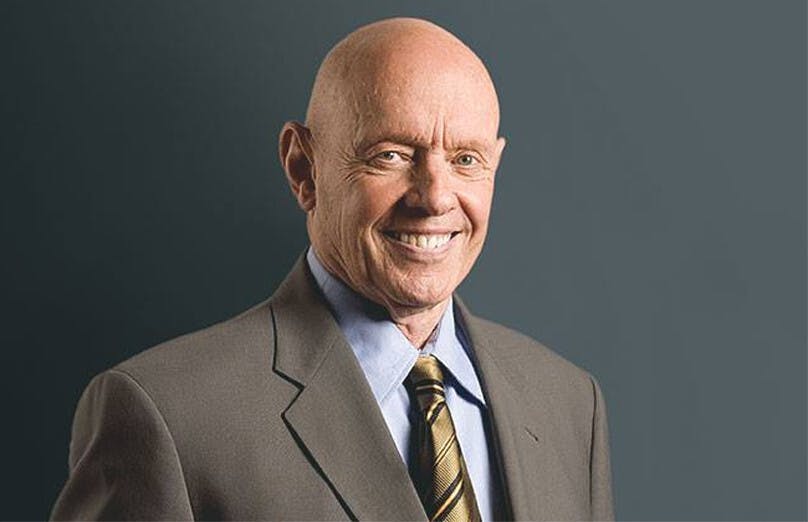
Stephen Covey (2005)
The 8th Habit: From Effectiveness to Greatness
The 8th Habit: From Effectiveness to Greatness written by Stephen Covey serves as a profound continuation of his prior seminal self-improvement book, The 7 Habits of Highly Effective People. The 8th Habit represents another key exploration of human capacity. Specifically, The 8th Habit moves beyond personal growth and interpersonal efficacy to the noble and lofty pursuit of team greatness. This book addresses our innate human desire to search the ultimate long-term life goals, social purposes, and team contributions in our global society today. This innate human desire is especially vital to our brave new world in the broader context of the complex age of the knowledge worker. Covey posits that we can achieve true fulfillment in life by finding our unique voices in time. In addition, Covey suggests that we should serve as effective thought leaders to inspire many others to achieve the same fulfillment in life. In combination, we can unlock the collective reservoir of key human qualities such as talent, passion, and conscience for the greater social good.
The 8th Habit introduces a paradigm shift from the foundational principles of personal effectiveness as part of The 7 Habits to a higher human capability: team greatness. Covey finds that the modern information revolution involves many complex structural changes. For this reason, Covey posits that effective leadership requires more than only personal effectiveness. These days, many thought leaders often remake, reshape, and reinforce wise and flexible choices to move toward greater life fulfillment, passion, smart team execution, and significant devotion to the global society. Covey conveys the central theme of The 8th Habit: we find and express our own unique voices and then inspire others to express their own unique voices too.
It often takes a deep and introspective life journey of self-discovery for us to find our own voices. Highly effective people discern the unique intersection of their talent (what inspires our core competences and dynamic capabilities), passion (what naturally excites and motivate us), and conscience (what echoes as morally right as the quiet small voice inside our heart). In time, these voices often represent our unique personal significance for meaningful long-term life goals, team missions, social purposes, and contributions to the global society. Specifically, our unique voices are about living authentically, aligning our actions with our core values, and then pursuing the rare habit formation of excellence well beyond mediocrity. Covey believes this self-discovery is not a selfish baby step but a major Herculean human endeavor for each effective thought leader to enrich the lives of others with greater global social impact. As a result, these effective thought leaders not only practice the 7 habits of highly effective people, but also the 8th habit to move far from both personal growth and interpersonal effectiveness to next-gen ultimate greatness on the global stage.
Next, these thought leaders should inspire others to find their own voices. This social aspect delves into strategic leadership. Strategic thought leaders uplift, inspire, and empower others to make better life choices and decisions. Strategic leadership involves both recognizing and respecting the inherent personal worth in every team member. Further, strategic thought leaders take proactive steps to create new opportunities for others to apply their unique talents, gifts, passions, core competences, and dynamic capabilities. In time, strategic thought leaders awaken individual voices to better align with the team endeavors toward greater global social impact in a positive manner.
Covey structures The 8th Habit into 2 major parts: Find Your Voice and then Inspire Others to Find their Voice. Covey meticulously outlines both the key psychological and practical pathways for us to achieve both goals. Specifically, Covey describes the new whole-person paradigm, and this paradigm regards all team members not only as objects for micro-management and motivation, but also more importantly, as real humans who combine their 4 fundamental dimensions of human intelligence into productive knowledge work in time. These fundamental dimensions span the body (physical strength), the mind (mental resilience), the heart (emotional intelligence), and finally, the spirit (spiritual revival). As Covey suggests, the absolute denial of any of these 4 fundamental dimensions of human intelligence, particularly the spirit, can often lead to significant problems. In due course, these problems prevent team members from fully harnessing their greater human endeavors to enrich the lives of others on the global stage.
Covey posits that every person is born with 3 main birth gifts. These birth gifts include the basic freedom to choose, the natural laws, and the 4 fundamental dimensions of human intelligence as part of the new whole-person paradigm. Finding our own voices involves cultivating these 4 fundamental dimensions of human intelligence through 4 major attributes: vision, discipline, passion, and conscience. With the long-term vision, highly effective people begin with the end in mind. With vital discipline, highly effective people pivot, persist, and persevere even in rare times of major setbacks and even epic failures. When these highly effective people remain passionate about the long-term vision, they make both baby steps and Herculean human efforts to make this long-term vision another reality in time. Throughout the long, tough, and sometimes arduous life journey, highly effective people rely on their innate conscience to guide their life choices, mindsets, actions, reactions, responses, expert views, opinions, judgments, behaviors, and decisions. At the next stage, effective thought leaders master 4 mainstream roles to help inspire others. First, effective thought leaders model life principle-centric trustworthiness. Second, these leaders divide and conquer several different paths toward the common long-term vision. Third, these leaders share, convey, and better align organizational systems to support the long-term life goals, team missions, and social purposes in due course. Finally, these leaders empower team members through both mutual win-win agreements and autonomous chain reactions under guidance.
The 8th Habit serves as a major call to action for both effective leaders and team members. In essence, The 8th Habit urges these effective leaders and team members to transcend both victimhood and mediocrity toward greater team excellence. All of these strategic partners should dedicate their unique active contributions to achieve the greater long-term life goals, team missions, and social purposes. For organizations, The 8th Habit provides a new unique roadmap for all of the strategic partners to unlock the inherent worth of their workforce. In turn, this roadmap often helps transform team frustration and disengagement into the brave new culture with better team collaborations and sometimes even disruptive innovations. Specifically, this roadmap champions the structural shift from the industrial age’s command-and-control mindset to the new growth mindset. In essence, this growth mindset respects the whole person, promotes collective wisdom, and further shines new light on the key life principles for the greater social good.
We regard The 8th Habit as a rich tapestry of both interwoven concepts and life principles. In combination, these interwoven concepts and life principles contribute to profound personal growth and effective leadership. In addition to The 7 Habits of Highly Effective People, Covey’s 8th Habit rests on the deep mainstream roots of social psychology. In essence, The 8th Habit urges us to find our own voices, and then we serve as effective thought leaders to further inspire others to find their own voices. From personal growth and interpersonal effectiveness to ultimate greatness, Covey advocates The 8th Habit in support of self-actualization, intrinsic motivation, and the pursuit of happiness, contentment, and fulfillment in life.
In The 8th Habit, Covey attempts to pose a new conceptual challenge to the conventional wisdom of team effectiveness as the ultimate life goal. In the new modern age of the knowledge worker, Covey argues that the global demands have shifted to necessitate the lofty pursuit of greatness. In essence, this lofty pursuit of greatness is not only an upgrade but also another major response to the pervasive perceptions and emotions of empty and insecure frustration for many knowledge workers despite technological advances in recent decades. From a psychological perspective, this greatness better aligns with Maslow’s concept of self-actualization. Also, this greatness echoes the inherent human drive for self-transcendence. Both effective leaders and team members retain the common human desire to contribute well beyond ourselves. Across many generations, we are not cogs in the massive machine; but instead, we serve as creative, skillful, and intelligent knowledge workers whose collective capacity can often help achieve the greater long-term life goals, team missions, and social purposes on the global stage. Effective leaders find their own voices and then inspire others to find their own voices too. In this unique life journey, we respect each team member as a whole person in a whole job. From the ancient industrial age to the new information age, this modern transition shifts the conventional command-and-control model for strategic management to the new whole-person paradigm. In effect, this whole-person paradigm is key for addressing widespread frustration and disengagement. From personal growth and interpersonal effectiveness to ultimate greatness, Covey advocates The 8th Habit in support of self-actualization, intrinsic motivation, and the pursuit of happiness, contentment, and fulfillment in life.
This central tenet embeds many mainstream concepts in social psychology.
Finding our voices involves the brave new quest for greater social identity, mission, purpose, and authentic self-expression. Covey defines each unique voice as the gradual convergence of one’s talent (what inspires our skills, mindsets, core competences, dynamic capabilities, and so forth), passion (what naturally excites and motivate us), and conscience (what echoes as morally right as the quiet small voice inside our heart). In time, this voice represents our unique personal significance for meaningful long-run life goals, team missions, social purposes, and active contributions to the global society.
Talent: Psychologically, it is vital for us to tap into self-efficacy by recognizing our own talents, gifts, strengths, core competences, and dynamic capabilities. This unique personal development helps address the fundamental human need to feel both capable and valuable. When team experts operate within their major strengths and core competences, these highly effective people experience psychologically stable flow states with higher performance and greater social engagement.
Passion: Passion often serves as the emotional fuel of intrinsic motivation. When our work aligns with what naturally excites, energizes, and motivates us, this passion can often help deepen social engagement, personal growth, grit, and resilience. This passion connects to the self-determination theory in social psychology: autonomy, competence, and social engagement often combine to drive better intrinsic motivation.
Need: It is important for us to identify some specific human need in due time. In this unique fashion, we can further apply our talents, passions, strengths, core competences, and dynamic capabilities with a strong sense of relevance. Also, we can feel a strong sense of social impact when we apply these talents, passions, strengths, and so forth. In combination, this life journey allows us to better fulfill the psychological human need for altruism. In effect, we are not passive observers; but we serve as active contributors to the global society.
Conscience: Covey places conscience at the heart of the voice for everyone. This conscience refers to an inward moral sense of what is right and wrong, and this conscience often serves as the major human drive toward greater global impact and social devotion. In effect, this conscience better aligns with the vital importance of living as active contributors in accordance with our deeper internal values, life goals, team missions, and social purposes. Also, this conscience acts as an internal compass for guiding our ethical behaviors. This alignment often helps ensure that our achievements are morally sound for social benefits. In combination, these 4 major elements define our unique personal significance in life.
Inspiring others to find their voices too moves from personal mastery to greater social leadership. Psychologically, this great stride involves developing the broader social environment of psychological safety. As a result, effective thought leaders empower others to achieve self-efficacy. In effect, our solo contributions combine to serve the long-term life goals, team missions, and social purposes.
Leadership as a Choice: Covey challenges the conventional wisdom that leadership is solely a position. Instead, Covey believes leadership serves as a conscious human choice to better empower others to find their unique voices. In this unique fashion, effective thought leaders influence all team members to achieve their personal best-case scenarios regardless of formal authority. Over time, this better alignment strengthens the more distributive leadership model where social influence is a function of both character and competence (not just a senior title, a position, and a social hierarchy of formal authority).
Empowerment: Effective thought leaders inspire others by recognizing their meaningful contributions. Also, these leaders respect others enough such that they feel free to express their own voices. This social empowerment resonates with the vital importance of autonomy for competent team experts.
Authenticity: As effective thought leaders encourage all team members to express their own voices, this major organizational culture promotes greater authenticity in team collaborations. When all these team members bring their whole selves to work together, diverse expert views, opinions, judgments, and perspectives combine to carefully craft creative solutions and sometimes even disruptive innovations. This better team alignment further resonates with greater personal growth, grit, focus, and resilience.
The new whole-person paradigm serves as the foundational bridge between The 8th Habit and The 7 Habits of Highly Effective People. Covey believes we comprise the 4 fundamental dimensions of human intelligence: the body, the mind, the heart, and the spirit. Each dimension corresponds to a special kind of human intelligence.
1. Physical Intelligence (PQ):
Our physical intelligence pertains to the body and the basic human desire to live well. Our physical intelligence is our ability to maintain physical fitness through proper rest, nutrition, exercise, and workplace stress management. From a psychological perspective, physical wellness intrinsically connects to both mental health and emotional health. Less physical intelligence can often lead to less mental focus, grit, stamina, energy, and resilience.
2. Mental Intelligence (IQ):
Our mental intelligence corresponds to the mind and the basic human desire to learn new skills throughout the life journey. With this mental capacity, we think, reason, analyze, visualize, and comprehend abstract ideas, concepts, and complex notions in real time. Mental intelligence development involves iterative continuous improvements in our skills, jobs, expert views, opinions, judgments, and decisions. Lifelong learners often tend to have much greater self-awareness through these iterative continuous improvements. Cognitively, this intellectual development helps us better adapt to the more complex life circumstances in the new information revolution.
3. Emotional Intelligence (EQ):
Our emotional intelligence relates to the heart and the basic human desire to love others. Emotional intelligence involves self-awareness, social sensitivity, empathy, and smooth interpersonal communication. Covey draws heavily from Daniel Goleman’s work on emotional intelligence. Covey highlights the vital importance of emotional intelligence in further developing effective social relationships with good intents and positive emotions. Again, this emotional intelligence helps us better navigate complex social relationships these days. In sum, Covey connects the dots between emotional intelligence and the 7 habits of highly effective people such as Think Win-Win and Seek First to Understand.
4. Spiritual Intelligence (SQ):
Spiritual intelligence connects to the spirit and the basic human desire to leave a good legacy on earth. Covey regards spiritual intelligence as the most important fundamental dimension of human intelligence because this last dimension serves as the key source of guidance for the other 3 dimensions. Spiritual intelligence shines light on our inner moral compass as we pursue the greater long-term life goals, team missions, and social purposes. In effect, spiritual intelligence provides the new conceptual framework for our values, ethics, and ultimate life goals. Spiritual intelligence often inspires us to better develop the other 3 fundamental dimensions of human intelligence. Without spiritual intelligence, we would feel empty with a lack of direction in life.
As Covey suggests, the absolute denial of any of these 4 fundamental dimensions, particularly the spirit, can lead to significant problems. In time, these problems prevent team members from fully harnessing their Herculean human endeavors to enrich the lives of others on the global stage. This more holistic view is vital for better selfhood and sustainable wellness. We often need to learn how we can strike a delicate balance between personal growth and wellness along the 4 fundamental dimensions of human intelligence.
Covey identifies 3 key birth-gifts for individual empowerment. These 3 key birth-gifts can often help highly effective people find their own voices.
1. The Freedom to Choose:
This birth-gift underscores both human agency and personal responsibility. The freedom of choice highlights our core capacity to choose our mindsets, actions, emotions, and attitudes regardless of external life circumstances. Psychologically, this gift aligns with the core concepts of both locus-of-control and self-determination. This gift often tends to serve as the main bedrock of human proactivity. In turn, this proactivity allows highly effective people to reinvent themselves with new skills, mindsets, expert views, opinions, judgments, and decisions in all walks of life.
2. Natural Laws:
These natural laws are timeless, universal, and self-evident life principles such as patience, fairness, kindness, respect, honesty, integrity, and social service. Covey believes it is vital for us to live in harmony with these life principles. Over time, this harmony can often lead to positive life outcomes. However, any violation of these life principles may lead to negative life consequences. Covey explains why these life principles reflect the character ethic in the prior classic self-improvement book The 7 Habits of Highly Effective People. Covey emphasizes that true success often tends to arise from close adherence to these timeless moral truths. In effect, these timeless moral truths provide a stable ethical foundation for psychological safety, spiritual wellness, and sound social relationship management.
3. The 4 Fundamental Dimensions of Human Intelligence:
The 4 fundamental dimensions of human intelligence involve mental wellness, physical strength, emotional resilience, and spiritual revival. These innate human capabilities support holistic personal development. With these 4 fundamental dimensions of human intelligence, we find and express our own voices before we serve as effective thought leaders to inspire others to achieve the same long-term life goals, team missions, and social purposes.
Covey describes 4 major attributes of expressing our own voices. In time, these 4 major attributes often function as key internal manifestations of the best practices for effective leadership and social relationship management. Effective leaders find and express their own voices and then inspire others to express their own voices too.
1. Vision:
Effective thought leaders apply their imaginations to see the long-term vision. These leaders often remind themselves of this long-term future steady state before they make this long-term vision another reality in due course. In effect, these leaders recognize the best potential outcomes in themselves and others. This cognitive process requires setting the long-term life goals with frequent mental rehearsals. Effective thought leaders create, curate, and further refine the persuasive future narrative life story. In turn, this story serves as the best form of intrinsic motivation for team experts to collaborate on Herculean human endeavors. With mutual trust, these leaders and team experts work together to make this future narrative life story another reality in time.
2. Discipline:
Discipline requires strong willpower. With discipline, highly effective people keep the long-term vision, accept the current reality, and defer immediate gratification for greater future progress. Effective leaders and team experts move forward with greater grit, focus, and resilience. Psychologically, discipline draws on smart execution, self-regulation, and team cooperation. Over time, effective leaders and team experts make both baby steps and greater strides toward the long-term life goals, missions, and social purposes.
3. Passion:
Passion refers to the relentless human drive inside the heart. Indeed, passion motivates effective leaders and team experts to shape their common future. Passion fuels grift, perseverance, and resilience, especially when these highly effective people often learn to persist in rare times of major setbacks and even epic failures. Many iterative continuous improvements transform teamwork into the unique integration of experiences with the 4 fundamental dimensions of human intelligence. Passion often turns out to be the key emotional engine for personal growth, grit, commitment, and resilience through the life journey.
4. Conscience:
As the moral sense inside the heart, conscience governs our long-term vision, discipline, and passion. Conscience ensures that we ground our voices in the greater social purposes. In effect, conscience provides the moral authority for us to practice effective leadership. Further, conscience prevents these leaders from becoming manipulative and rigid without the greater team missions.
For organizational greatness, effective leaders translate personal leadership into collective inspiration. Covey identifies 4 major leadership roles. In time, collective wisdom often trumps solo human intelligence. Effective leaders often inspire others to find their own voices.
1. Model:
Effective leaders should model the principle-centric trustworthy behaviors. Over time, these effective leaders apply the 7 habits of highly effective people: Be Proactive, Often Begin with the End in Mind, Put First Things First, Think Win-Win, Seek First to Understand, Synergize, and Sharpen the Saw. Through many iterative continuous improvements, these effective leaders further build mutual trust between team members. When these effective leaders practice what they preach, their actions become more credible. Psychologically, many team experts are more likely to adopt the same values, actions, and behaviors of these reputable leaders. Leadership is about not only competence, but also more importantly, character.
2. Convergence:
Effective thought leaders often remake, reshape, reiterate, and reinforce the long-term vision. In time, this long-term vision serves as the North Star for team experts, strategic partners, and collaborators. When this vision is clear and persuasive, these teams share the same set of internal values for better strategic alignment. Effective leadership is less about top-down demands but more about engaging everyone in the common direction. A strong sense of project ownership can further empower all team experts on the same path. With psychological safety, these team experts feel free to express their own voices as part of the great convergence toward the best practices.
3. Alignment:
Effective thought leaders often strategically align organizational systems to support the long-term vision. Also, these leaders provide the necessary team resources to further empower team experts. These days, for instance, many knowledge workers need proper access to high-performance cloud clusters such as Nvidia’s graphics processing units (GPU), Google’s tensor processing units (TPU), and several other application-specific integrative circuits (ASIC). Strategic alignment further empowers team experts to achieve the long-term life goals, team missions, and social purposes in due course. Psychologically, such strategic alignment reduces cognitive dissonance, frustration, and miscommunication. As a result, team experts know their efforts directly link to the good team outcomes. This strategic alignment helps boost team efficacy and intrinsic motivation.
4. Empowerment:
Effective leaders focus on the ultimate results rather than only the methods. These leaders often allow team experts to find creative methods and solutions. With greater autonomy and team empowerment, this process often helps high-performance teams achieve the same results with fewer team resources. Effective leaders can achieve this empowerment through a mutual win-win agreement process where the team expectations are clear, team resources are adequate, and team members are accountable for all kinds of results and consequences. In time, this empowerment further builds self-efficacy and intrinsic motivation. Trustworthy team members take responsibility for their active contributions.
Covey suggests that mutual trust serves as the fruit of the trustworthiness of both people and teams. Mutual trust is the most supreme section of any kind of social relationship. Further, mutual trust is vital for effective leadership, communication, and cooperation.
Covey implicitly reinforces the concept that high mutual trust boosts the speed of team interactions. High mutual trust often leads to greater team efficiency and psychological safety. As a result, high mutual trust allows team experts to make faster, smarter, and better iterative continuous improvements over time. When trust is absent, alternatively, fear, doubt, and control mechanisms take over to slow down creative processes. Effective leaders often model both the 7 habits and the 4 fundamental dimensions of human intelligence. In due time, these leaders inspire mutual trust between team members.
High mutual trust is vital for effective conflict resolution. Covey advocates for seeking the third alternative option. In essence, this third alternative option goes beyond the simple and intuitive divide-and-conquer method of my way versus your way. Often the third alternative option merges both solutions to create good synergies for both parties. In practice, the third alternative option tends to be far better than both the prior proposals. Again, this third way often requires greater empathy for effective leaders to truly understand both parties.
Stephen Covey's The 8th Habit is replete with profound actionable insights. Here, we describe, discuss, and delve into these notable quotes, remarks, and memorable statements. These lines resonate deeply with numerous concepts in psychology, especially ethical character, self-actualization, motivation, and socially responsible leadership. We seek to achieve greater team outcomes for eudaimonic wellness, fulfillment, and true happiness, rather than transient hedonic enjoyment. In life, we are not just passive observers; instead, we serve as proactive storytellers with good habit formation and active implementation.
"The 8th habit of highly effective people is: Find your voice and inspire others to do likewise."
"Finding your voice often involves proactively applying your talents, strengths, skills, passions, core competences, and dynamic capabilities. We often seek to achieve great team outcomes. Expressing your voice takes the unique path toward greatness and excellence instead of settling for mediocrity."
"If you want to make minor incremental improvements, you work on common actions, practices, behaviors, and attitudes. If you want to make massive quantum iterative continuous improvements, you work on major mindsets and whole-person paradigms."
"Next to life itself, the power to choose is your greatest gift."
"Fundamentally, we are a product of our own conscious life choices, but not a product of nature or nurture (genetic predispositions, socioeconomic profiles, and environmental conditions)."
"There is a deep, innate, and almost inexpressible human desire within each one of us to find our voice in life."
"When all you want is a person's body and you don't really want their mind, heart, and spirit, you have reduced a person to an object."
"People are often put on the P&L statement as an expense; and equipment is often put on the balance sheet as an asset investment."
"To know and not to do, is really not to know."
"Only the highly effective people who practice discipline are truly free. People with no discipline are slaves to transient passions, appetites, and emotions."
The recent critical acclaims of The 8th Habit reflect Covey’s long prevalent social impact on personal growth, authentic leadership, and holistic human wellness. Many reviewers were ardent followers of The 7 Habits of Highly Effective People. These reviewers lauded The 8th Habit as the next logical and necessary progression of Covey’s core life philosophy. The 8th Habit serves as not only an addendum, but also more importantly, another new dimension of high-performance excellence. This reception indicates an acknowledgment that the new global demands of the early 21st century require the long-term vision to move from both personal growth and interpersonal effectiveness to team greatness.
Some critics raise key questions about the active implementation of Covey’s 8 habits of highly effective people. These key questions often tend to revolve around large, bureaucratic, and resistant organizations. Although Covey’s various core concepts inspire many effective leaders and team experts today, the next translation of these core concepts into daily best practices can pose new risks, threats, and challenges to large organizations.
The 8th Habit builds upon a rich tapestry of self-help, leadership, psychology, and personal development literature. Covey draws from the unique synthesis of life principles, and Covey keeps his unique strategic focus on the modern information revolution for knowledge workers. We describe, discuss, and delve into the key similarities and differences between The 8th Habit and several other books on personal growth, grit, focus, emotional intelligence, and self-improvement.
Similarities: Both books focus on fundamental life principles and then further emphasize timeless universal truths for human effectiveness. Both books advocate for the character ethic over the personality ethic in the sense that long-term success often arises from close adherence to core life principles instead of superficial techniques. Both books highlight the vital importance of proactive life choices: Begin with the End in Mind, Put First Things First, Think Win-Win, Seek First to Understand, Synergize, and Sharpen the Saw. The 7 Habits lay the groundwork for personal independence (Habits 1 to 3) and then interdependence (Habits 4 to 6) with Habit 7 as the ultimate apex of iterative continuous improvements over time. The 8th Habit suggests that ultimate greatness relies heavily on the first 7 habits of highly effective people. The 4 fundamental dimensions of human intelligence further connect to the best practices of these first 7 habits in relation to emotional intelligence (EQ).
Differences: The main distinction between these 2 books by Covey relates to their relative scope and strategic focus. In The 7 Habits, Covey guides readers from dependence to independence and then to interdependence. This process requires many iterative continuous improvements for personal growth and interpersonal effectiveness. In The 8th Habit, however, Covey recommends moving from team effectiveness to ultimate greatness. This process spans greater personal growth, grift, passion, life fulfillment, and social significance.
Similarities: Dweck's growth mindset resonates deeply with Covey's emphasis on both the whole-person paradigm shift and the freedom of choice. Indeed, both authors advocate for stable personal growth through iterative continuous improvements over time. Specifically, Covey's call for both effective leaders and team experts to move from mediocrity to greatness implicitly requires the new growth mindset. With this growth mindset, these effective leaders and team experts often regard new external forces, risks, threats, and challenges as fresh opportunities for further personal growth and interpersonal efficacy. Over time, effective leaders find and express their own voices and then inspire all team experts to express their own voices too. This process necessitates the growth mindset: all of us can further develop our talents, skills, worldviews, core competences, and dynamic capabilities.
Differences: Dweck tends to focus on the internal cognitive framework, specifically the growth mindset. This framework dictates how lifelong learners approach new challenges. Also, Covey recognizes the vital importance of the growth mindset through the major whole-person paradigm shift. However, Covey provides a broader, deeper, and more holistic framework to integrate conscience, spiritual revival, and emotional intelligence. This integration has profound positive policy implications for effective leadership.
Similarities: Tolle emphasizes spiritual enlightenment in accordance with Covey’s core concept of spiritual intelligence (SQ). This fundamental force serves as the main guidance for the other 3 dimensions of human intelligence. Both authors touch on the main theme of the inner voice. In a simple and intuitive sense, this inner voice guides each one of us toward the long-term life goals, team missions, and social purposes. Both authors encourage us to further develop our own self-awareness. In turn, this self-awareness often transcends superficial thoughts, quick fixes, and several other techniques for personal development.
Differences: Tolle tends to focus on the deep roots of spiritual revival in stark contrast to strategic leadership. Although Covey recognizes the fundamental dimension of spiritual intelligence (SQ), he tends to focus on the more pragmatic integration of spiritual intelligence (SQ) into effective leadership. With a delicate balance between spiritual intelligence (SQ) and the other fundamental dimensions of human intelligence, effective leaders find and express their own voices and then inspire others to express their own voices too in due course.
Similarities: Both books are foundational texts in interpersonal influence and strategic leadership. Carnegie's life principles often align with Covey's focus on Think Win-Win (Habit 4), Seek First to Understand (Habit 5), and Synergize (Habit 6) from The 7 Habits. In combination, these life principles serve as the firm foundation for The 8th Habit. Both books recognize the vital importance of mutual trust in social relationship management. Carnegie tends to focus on truly appreciating others to make them feel important. This focus echoes Covey’s call to respect the inherent worth of each person.
Differences: Carnegie provides practical life principles for social relationship management. These life principles can often help promote greater cooperation as part of behavioral psychology. However, these life principles seem to focus on external forces, actions, and behaviors in support of better social relations. Covey’s 8th Habit delves much deeper into internal character and more holistic personal growth. Specifically, Covey suggests that human behaviors are more effective when they align with the ethical life principles. Also, Covey suggests that effective leaders should encourage team experts to serve the greater social good through many series of Herculean human collaborations. This focus shines new light on the whole-person paradigm shift from both personal growth and interpersonal effectiveness to ultimate greatness. Effective leaders find and express their own voices and then empower others to express their own voices too.
Similarities: Kishimi and Koga draw from Adlerian psychology to share Covey’s focus on personal character ethic and the freedom of choice. Adler’s core concept of teleology with purpose-driven behaviors resonates deeply with Covey’s quest for personal significance: Being with the End in Mind, Find Your Voice, and then Empower Others to Find Their Voice. Both books tend to challenge readers to overcome both past conditions and path dependencies to take control of their present and future narrative life stories for greater personal growth, grit, focus, resilience, and fulfillment.
Differences: Kishimi and Koga provide the new philosophical dialogue from Adlerian psychology. This dialogue tends to focus on interpersonal relations, tasks, and active contributions to the modern global society today. Although Kishimi and Koga touch on strategic leadership, their focus tends to revolve around individual psychology and freedom from external validation. Covey's 8th Habit integrates these new psychological insights into a more extensive framework for effective leadership in the broader social context. Covey tends to focus on more holistic personal growth development, collective wisdom, and team efficacy.
Similarities: The Heaths explore how we can create many memorable and meaningful moments in life and work. This exploration complements Covey’s core concepts of mutual trust in better social relationships. In essence, this complementary focus allows for voluntary human struggles in the long, tough, and sometimes even arduous life journey. As people struggle together, they often develop new bonds to better align their common interests, values, and life missions. This focus aligns with Covey’s emphasis on synergistic teamwork and personal empowerment in the broader social context.
Differences: The Heaths focus on the design and impact of specific moments often from behavioral viewpoints. In The 8th Habit, Covey provides a broader, deeper, and more holistic framework for iterative continuous improvements. In time, these iterative continuous improvements can often help drive the new whole-person paradigm shift from personal growth and team effectiveness to ultimate greatness. Although Covey’s core concepts and life principles often can create memorable moments, his deeper insights are more about the major 8th habit of finding our own voices and then inspiring others to find their own voices too. By comparison, the Heaths focus on the more discrete components of human experiences of memorable moments.
The 8th Habit: From Effectiveness to Greatness written by Stephen Covey serves as a profound continuation of his prior seminal self-improvement book, The 7 Habits of Highly Effective People. The 8th Habit represents another key exploration of human capacity. Specifically, The 8th Habit moves beyond personal growth and interpersonal efficacy to the noble and lofty pursuit of team greatness. This book addresses our innate human desire to search the ultimate long-term life goals, social purposes, and team contributions in our global society today. This innate human desire is especially vital to our brave new world in the broader context of the complex age of the knowledge worker. Covey posits that we can achieve true fulfillment in life by finding our unique voices in time. In addition, Covey suggests that we should serve as effective thought leaders to inspire many others to achieve the same fulfillment in life. In combination, we can unlock the collective reservoir of key human qualities such as talent, passion, and conscience for the greater social good.
Wharton e-commerce professor Karl Ulrich explains that many elite universities now provide many massive open online courses (MOOCs) for lifelong learners to achieve their medium-term goals, tasks, and missions for better intellectual focus, personal growth, self-efficacy, self-improvement, and social engagement in modern life, business, innovation, and entrepreneurship.
Podcast: https://bit.ly/3URUam1
UCLA organizational psychology expert Dr Chip Espinoza et al explain, propose, and emphasize the 9 new core competences for better managing millennials in the modern workplace.
Podcast: https://bit.ly/3H0svMH
Article: https://ayafintech.network/blog/self-improvement-book-review-managing-millennials-by-chip-espinoza/
Consumer psychology experts Nir Eyal and Ryan Hoover explain why keystone habits often lead us to purchase products, goods, and services in our daily lives.
Podcast: https://bit.ly/3H5Ne1v
Article: https://ayafintech.network/blog/self-improvement-book-review-hooked-by-nir-eyal/
Mitch Anthony explains why it is often important for sales leaders to apply sound social skills and emotional competences to fulfill various customer needs, wants, demands, desires, and other preferences.
Podcast: https://bit.ly/44nPsST
Former New York Times science author and Harvard social psychologist Daniel Goleman explains why working with emotional intelligence can help hone social skills for smarter, better, and more effective leaders, teams, and organizations in modern life, business, innovation, and entrepreneurship.
Podcast: https://bit.ly/4khouAU
Former New York Times science author and Harvard social psychologist Daniel Goleman explains why greater mental focus serves as a vital mainstream driver of personal growth, success, virtue, happiness, and fulfillment in life, business, innovation, and entrepreneurship.
Podcast: https://bit.ly/44z2ZH5
Article: https://ayafintech.network/blog/self-improvement-book-review-focus-by-daniel-goleman/
Former New York Times science author and Harvard social psychologist Daniel Goleman explains why emotional intelligence often serves as a more important critical success factor than high IQ for our success, virtue, and happiness in life, business, innovation, and entrepreneurship.
Podcast: https://bit.ly/43O7TzP
Former New York Times prolific team author, and Pulitzer Prize winner Charles Duhigg delves into how we can change our lives for the better by mastering our habits from day to day.
Podcast: https://bit.ly/3FUTSHs
Article: https://ayafintech.network/blog/self-improvement-book-review-the-power-of-habit-by-charles-duhigg/
Serial venture capitalist Ben Horowitz describes many hard truths, lessons, and insights from his rare unique entrepreneurial journey of running LoudCloud from a Silicon Valley tech startup to a $1.65 billion sale to Hewlett-Packard.
Podcast: https://bit.ly/3FJ3fKl
Stanford psychology professor Carol Dweck describes, discusses, and delves into the reasons why the growth mindset helps motivate individuals, teams, and senior managers to accomplish more with greater grit, focus, and resilience.
Podcast: https://bit.ly/3HGF67P
Article: https://ayafintech.network/blog/self-improvement-book-review-mindset-by-carol-dweck/
With U.S. fintech patent approval, accreditation, and protection for 20 years, our AYA fintech network platform provides proprietary alpha stock signals and personal finance tools for stock market investors worldwide.
We build, design, and delve into our new and non-obvious proprietary algorithmic system for smart asset return prediction and fintech network platform automation. Unlike our fintech rivals and competitors who chose to keep their proprietary algorithms in a black box, we open the black box by providing the free and complete disclosure of our U.S. fintech patent publication. In this rare unique fashion, we help stock market investors ferret out informative alpha stock signals in order to enrich their own stock market investment portfolios. With no need to crunch data over an extensive period of time, our freemium members pick and choose their own alpha stock signals for profitable investment opportunities in the U.S. stock market.
Smart investors can consult our proprietary alpha stock signals to ferret out rare opportunities for transient stock market undervaluation. Our analytic reports help many stock market investors better understand global macro trends in trade, finance, technology, and so forth. Most investors can combine our proprietary alpha stock signals with broader and deeper macro financial knowledge to win in the stock market.
Through our proprietary alpha stock signals and personal finance tools, we can help stock market investors achieve their near-term and longer-term financial goals. High-quality stock market investment decisions can help investors attain the near-term goals of buying a smartphone, a car, a house, good health care, and many more. Also, these high-quality stock market investment decisions can further help investors attain the longer-term goals of saving for travel, passive income, retirement, self-employment, and college education for children. Our AYA fintech network platform empowers stock market investors through better social integration, education, and technology.
This analytic essay cannot constitute any form of financial advice, analyst opinion, recommendation, or endorsement. We refrain from engaging in financial advisory services, and we seek to offer our analytic insights into the latest economic trends, stock market topics, investment memes, personal finance tools, and other self-help inspirations. Our proprietary alpha investment algorithmic system helps enrich our AYA fintech network platform as a new social community for stock market investors: https://ayafintech.network.
We share and circulate these informative posts and essays with hyperlinks through our blogs, podcasts, emails, social media channels, and patent specifications. Our goal is to help promote better financial literacy, inclusion, and freedom of the global general public. While we make a conscious effort to optimize our global reach, this optimization retains our current focus on the American stock market.
This free ebook, AYA Analytica, shares new economic insights, investment memes, and stock portfolio strategies through both blog posts and patent specifications on our AYA fintech network platform. AYA fintech network platform is every investor's social toolkit for profitable investment management. We can help empower stock market investors through technology, education, and social integration.
We hope you enjoy the substantive content of this essay! AYA!
Andy Yeh (online brief biography)
Co-Chair
AYA fintech network platform
Brass Ring International Density Enterprise ©
Do you find it difficult to beat the long-term average 11% stock market return?
It took us 20+ years to design a new profitable algorithmic asset investment model and its proprietary software technology with U.S. fintech patent protection over 20 years. Our new AYA fintech network platform serves as everyone’s first aid for his or her personal stock investment portfolio. In practice, our own proprietary software technology empowers each investor to apply real-time data, intelligence, and other information without exorbitant time commitment. Our alpha stock signals can help substantially boost the typical win rate from 60%-70% to more than 90%.
Our new alpha model empowers members to be a wiser stock market investor with profitable alpha signals! The proprietary quantitative analysis applies the collective wisdom of Warren Buffett, George Soros, Carl Icahn, Mark Cuban, Tony Robbins, and Nobel Laureates in finance such as Robert Engle, Eugene Fama, Lars Hansen, Robert Lucas, Robert Merton, Edward Prescott, Thomas Sargent, William Sharpe, Robert Shiller, and Christopher Sims.
Our Brass Ring Facebook page helps stock market investors learn more about the latest financial news, stock investment ideas, and asset portfolio strategies:
http://www.facebook.com/brassring2013
Free signup for stock signals: https://ayafintech.network
Mission on profitable signals: https://ayafintech.network/mission.php
Model technical descriptions: https://ayafintech.network/model.php
Blog on stock alpha signals: https://ayafintech.network/blog.php
Freemium base pricing plans: https://ayafintech.network/freemium.php
Signup for periodic updates: https://ayafintech.network/signup.php
Login for freemium benefits: https://ayafintech.network/login.php
If any of our AYA Analytica financial health memos (FHM), blog posts, ebooks, newsletters, and notifications etc, or any other form of online content curation, involves potential copyright concerns, please feel free to contact us at service@ayafintech.network so that we can remove relevant content in response to any such request within a reasonable time frame.
2018-06-07 10:36:00 Thursday ET

AT&T wins court approval to take over Time Warner with a trademark $85 billion bid despite the Trump administration prior dissent due to antitrust conce
2024-02-05 11:26:00 Monday ET

China poses new economic, technological, and military threats to the U.S. and many western allies. In the U.S. government assessment, China poses new eco
2018-03-02 12:34:00 Friday ET

White House top economic advisor Gary Cohn resigns due to his opposition to President Trump's recent protectionist decision on steel and aluminum tariff
2018-06-05 07:36:00 Tuesday ET

Just Capital issues a new report in support of the stakeholder value proposition in recent times. U.S. corporations that perform best on key priorities such
2018-02-03 07:42:00 Saturday ET

Quant Quake 2.0 shakes investor confidence with rampant stock market fears and doubts during the recent Fed Chair transition from Janet Yellen to Jerome Pow
2019-08-26 11:30:00 Monday ET
Partisanship matters more than the socioeconomic influence of the rich and elite interest groups. This new trend emerges from the recent empirical analysis