
2018-03-03 11:37:00 Sat ET
technology antitrust competition bilateral trade free trade fair trade trade agreement trade surplus trade deficit multilateralism neoliberalism world trade organization regulation public utility current account compliance
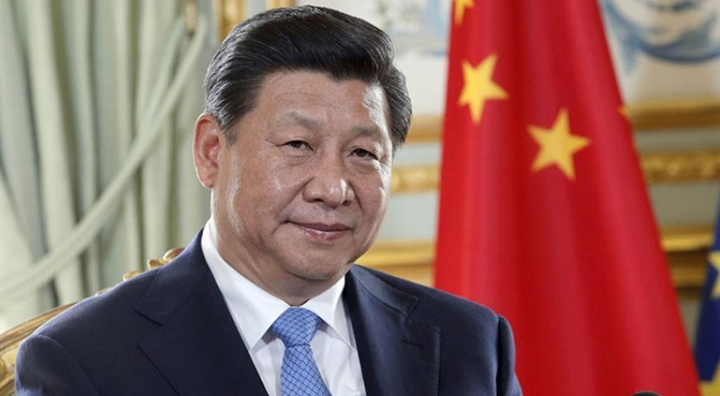
President Xi seeks Chinese congressional approval and constitutional amendment for abolishing his term limits of strongman rule with more favorable trade deals and economic ties. Foreign investors now activate their keen interest in Chinese tech titans such as Baidu, Alibaba, and Tencent (BAT). Baidu specializes in Chinese online search; Alibaba focuses on international e-commerce and fintech solutions; and Tencent derives most of its revenue from Chinese instant messengers such as WeChat and Tencent QQ, online games, and other entertainment and lifestyle software solutions. BATs operate as oligopolies with hefty competitive moats that manifest in the form of patents, trademarks, copyrights, and some other intellectual properties. Their high product market concentration serves as a major explanation for worse income and wealth inequality in China.
President Xi's strongman rule can further entrench these Chinese tech titans with product market dominance. This new Sino political economy defeats the western purpose of admitting China into the World Trade Organization (WTO) after the key post-war collapse of the Soviet Union. China resists both regional trade integration and global economic order and thus often fails to comply with WTO trade rules on fair trade and intellectual property protection.
Few mainland residents embrace democracy, economic freedom, and the rule of law in China.
If any of our AYA Analytica financial health memos (FHM), blog posts, ebooks, newsletters, and notifications etc, or any other form of online content curation, involves potential copyright concerns, please feel free to contact us at service@ayafintech.network so that we can remove relevant content in response to any such request within a reasonable time frame.
2017-06-03 05:35:00 Saturday ET

Fundamental value investors, who intend to manage their stock portfolios like Warren Buffett and Peter Lynch, now find it more difficult to ferret out indiv
2023-08-14 09:25:00 Monday ET

Peter Isard analyzes the proper economic policy reforms and root causes of global financial crises of the 1990s and 2008-2009. Peter Isard (2005) &nbs
2018-11-25 12:37:00 Sunday ET
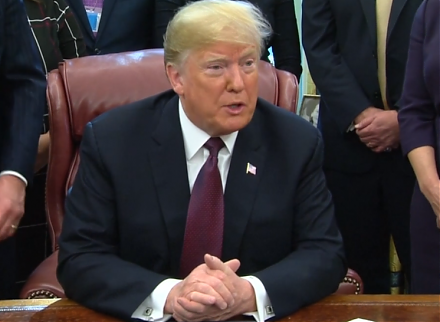
The Chinese administration delivers a written response to U.S. demands for trade reforms. This strategic move helps trigger more formal negotiations between
2018-02-19 08:39:00 Monday ET

Snap cannot keep up with the Kardashians because its stock loses market value 7% or $1 billion after Kylie Jenner tweets about her decision to leave Snapcha
2018-11-19 09:38:00 Monday ET
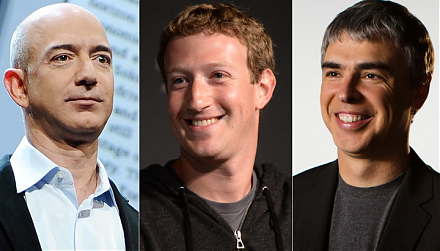
The Trump administration mulls over antitrust actions against Amazon, Facebook, and Google. President Trump indicates that the $5 billion fine against Googl
2018-10-30 10:41:00 Tuesday ET
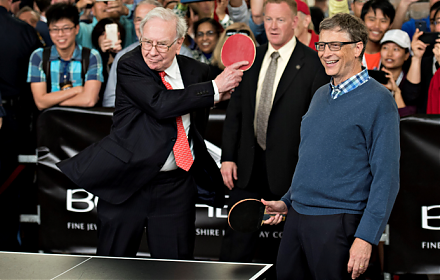
Personal finance author Ramit Sethi suggests that it is important to invest in long-term gains instead of paying attention to daily dips and trends. It