
2020-01-08 08:25:00 Wed ET
federal reserve monetary policy treasury dollar employment inflation interest rate exchange rate macrofinance recession systemic risk economic growth central bank fomc greenback forward guidance euro capital global financial cycle credit cycle yield curve
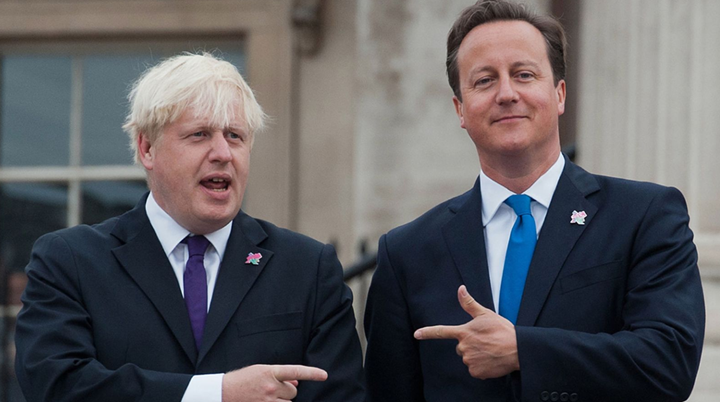
Conservative Party wins the British parliamentary majority in the general election with hefty British pound appreciation. In response to this general election outcome, British stock and bond markets surge with much investor optimism. As this election result resolves economic policy uncertainty, the British pound reaps reasonable gains against the greenback, euro, and most other currencies. The Conservative Party 365-seat majority can help push for the early resolution of both fair trade and fine Brexit negotiations with the European Union. Many stock market analysts and economic media commentators now expect Brexit to take place in early-2020. As a result, a second referendum on Brexit is less likely as Labour Party garners only 203 seats in the U.K. parliament.
London School of Economics political scientist Sara Hobolt critiques that the first-past-the-post system may not translate U.K. voter beliefs into parliamentary seats. At the heart of the Brexit debate, many British voters consider domestic healthcare and infrastructure subsidies to outweigh in relative importance trade, immigration, and membership in the European Union. In democratic countries with proportional representation, this result has become a major party realignment. This realignment reflects the pervasive British voter sentiment that U.K. politicians should get Brexit done in due course.
If any of our AYA Analytica financial health memos (FHM), blog posts, ebooks, newsletters, and notifications etc, or any other form of online content curation, involves potential copyright concerns, please feel free to contact us at service@ayafintech.network so that we can remove relevant content in response to any such request within a reasonable time frame.
2018-02-07 06:38:00 Wednesday ET
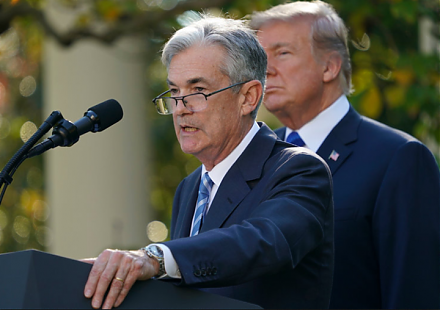
The new Fed chairman Jerome Powell faces a new challenge in the form of both core CPI and CPI inflation rate hikes toward 1.8%-2.1% year-over-year with stro
2019-01-19 12:38:00 Saturday ET
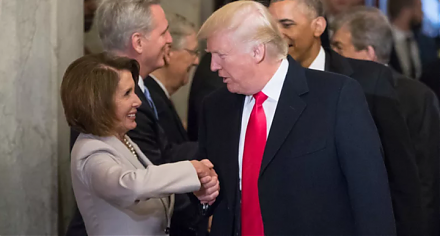
U.S. government shuts down again because House Democrats refuse to spend $5 billion on the border wall that would give President Trump great victory on his
2019-10-21 10:35:00 Monday ET

American state attorneys general begin bipartisan antitrust investigations into the market power and corporate behavior of central tech titans such as Apple
2018-10-27 09:34:00 Saturday ET

U.S. automobile and real estate sales decline despite higher consumer confidence and low unemployment as of October 2018. This slowdown arises from the curr
2023-05-28 10:24:00 Sunday ET

Thomas Piketty connects the dots between economic growth and inequality worldwide with long-term global empirical evidence. Thomas Piketty (2017) &nbs
2019-07-25 16:42:00 Thursday ET

Platforms benefit from positive network effects, scale economies, and information cascades. There are at least 2 major types of highly valuable platforms: i