
2018-12-22 14:38:00 Sat ET
federal reserve monetary policy treasury dollar employment inflation interest rate exchange rate macrofinance recession systemic risk economic growth central bank fomc greenback forward guidance euro capital global financial cycle credit cycle yield curve
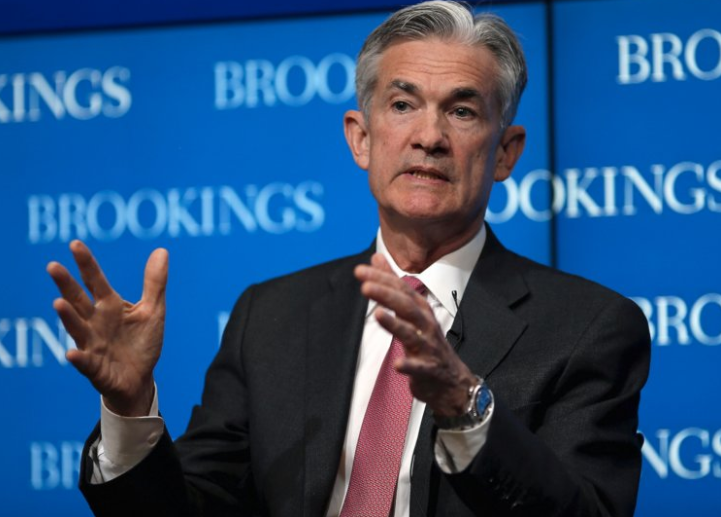
Federal Reserve raises the interest rate to the target range of 2.25% to 2.5% as of December 2018. Fed Chair Jerome Powell highlights the dovish interest rate hike that the U.S. economy seems sluggish in terms of real GDP per capita economic growth, employment, and capital investment. Some economic indicators such as household income and wage momentum soften in the current macro outlook.
Wall Street reacts negatively to the Powell comment about continuing to shrink the Federal Reserve balance sheet. Several stock market indices slump to the lowest levels in the fiscal year 2018. Dow Jones declines 352 points or 1.5%; S&P 500 also declines 1.5%; and NASDAQ plunges 2.3% as of mid-December 2018. This stock market pain extends to global markets: European and Asian stocks exhibit sharp losses around 3% on the next business day.
The Federal Reserve expects to ease the current interest rate hike with no more than 2 to 3 rate increases in 2019. Chairman Powell conveys his unusual dovish tone that the current interest rate hike reflects healthy fundamental recalibration in U.S. financial markets. This rate hike benefits most savers and traders who receive dividend and interest income from their stock and bond market investments.
If any of our AYA Analytica financial health memos (FHM), blog posts, ebooks, newsletters, and notifications etc, or any other form of online content curation, involves potential copyright concerns, please feel free to contact us at service@ayafintech.network so that we can remove relevant content in response to any such request within a reasonable time frame.
2018-10-05 10:38:00 Friday ET

A 7-year $1.3 billion hedge fund manager Chelsea Brennan shares her investment advice. Her advice encompasses several steps toward better financial literacy
2025-02-27 07:24:00 Thursday ET

Our AYA fun podcasts deep-dive into the current global trends, topics, and issues in macro finance, political economy, public policy, strategic management,
2018-12-03 10:40:00 Monday ET
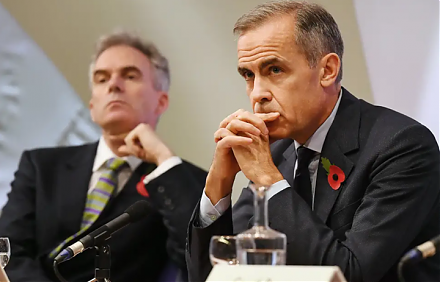
Bank of England publishes its latest insights into the economic impact of Brexit on British real productivity, capital investment, and labor supply as of 20
2019-08-03 09:28:00 Saturday ET
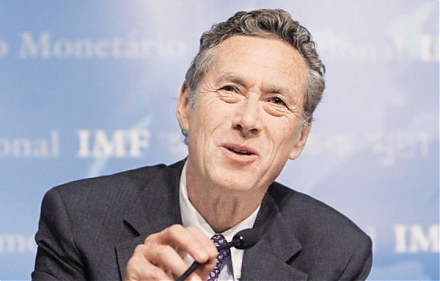
U.S. inflation has become sustainably less than the 2% policy target in recent years. As Harvard macro economist Robert Barro indicates, U.S. inflation has
2018-03-06 11:35:00 Tuesday ET
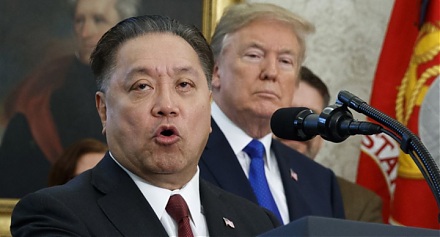
The Trump team blocks Broadcom's bid for Qualcomm due to national economic security concerns and 5G telecom network issues. Broadcom makes microchips fo
2017-12-09 08:37:00 Saturday ET
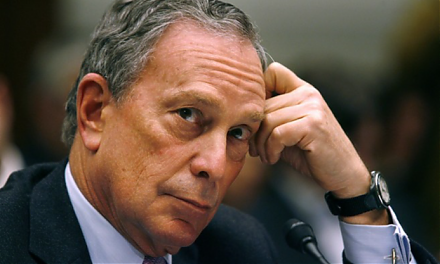
Michael Bloomberg, former NYC mayor and media entrepreneur, criticizes that the Trump administration's tax reform is a trillion dollar blunder because i