
Electronic Arts (EA) is a leading developer, marketer, publisher and distributor of interactive games (video game software and content). EA distributes its gaming content and services through multiple distribution channels as well as directly to consumers (online and wirelessly) through its online portals: Origin and Play4Free. EA games can be played on video consoles, personal computers, mobile devices, tablets and electronic readers. The company generates revenues from the sale of disk-based video game products (known as packaged goods), downloadable contents (DLCs), subscription, micro-transactions and advertising. The company operates in three divisions: EA Studios, Maxis and EA Mobile. EA Studios includes DICE (Sweden), EA Canada (Canada), Tiburon (the U.S.), BioWare (Canada and the U.S.) and Visceral (the U.S.)....
+See MoreSharpe-Lintner-Black CAPM alpha (Premium Members Only) Fama-French (1993) 3-factor alpha (Premium Members Only) Fama-French-Carhart 4-factor alpha (Premium Members Only) Fama-French (2015) 5-factor alpha (Premium Members Only) Fama-French-Carhart 6-factor alpha (Premium Members Only) Dynamic conditional 6-factor alpha (Premium Members Only) Last update: Saturday 17 October 2026
2019-08-16 17:37:00 Friday ET

Amazon faces E.U. antitrust scrutiny over the current e-commerce use of merchant data. The European Commission probes into whether Amazon uses key third-par
2018-05-03 07:34:00 Thursday ET
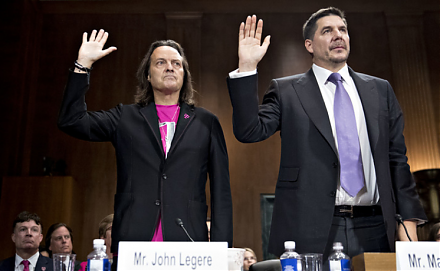
Sprint and T-Mobile propose a major merger in order to better compete with AT&T and Verizon. This mega merger is worth $26.5 billion and involves an all
2018-08-09 16:36:00 Thursday ET

President Trump applies an increasingly bellicose stance toward the Iranian leader Hassan Rouhani as he rejects a global agreement to curb Iran's nuclea
2023-04-14 13:32:00 Friday ET

Calomiris and Haber delve into the comparative analysis of bank crises and politics in America, Britain, Canada, Mexico, and Brazil. Charles Calomiris an
2024-03-19 03:35:58 Tuesday ET
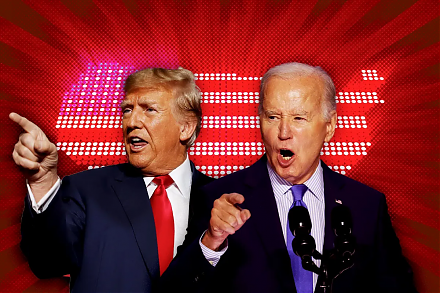
U.S. presidential election: a re-match between Biden and Trump in November 2024 We delve into the 5 major economic themes of the U.S. presidential electi
2019-06-25 10:34:00 Tuesday ET

Investing in stocks is the best way for people to become self-made millionaires. A recent Gallup poll indicates that only 37% of young Americans below the a
 Reports
 Metrics
 Events
 AI Stock Synopses