
2019-02-03 13:39:00 Sun ET
technology social safety nets education infrastructure health insurance health care medical care medication vaccine social security pension deposit insurance
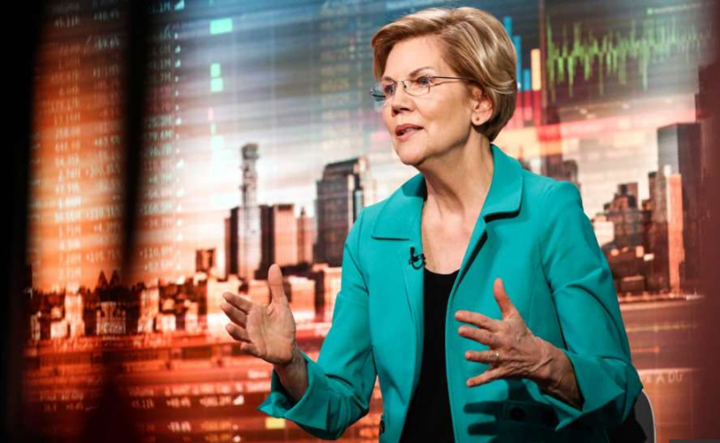
It can be practical for the U.S. to impose the 2% wealth tax on the rich. Democratic Senator Elizabeth Warren proposes a 2% wealth tax on the richest Americans with more than $50 million in total assets. For the even richer Americans with more than $1 billion total assets, the wealth tax should rise to 3%. This radical tax proposal may help raise almost $2.5 trillion to $3 trillion in a decade, although this proposal affects less than 0.1% of U.S. households in accordance with the fiscal estimates of Berkeley economic advisor Emmanuel Saez. On one hand, this wealth tax can help reduce economic inequality in America by closing the wealth gap between the rich and the middle class. At the same time, this wealth redistribution can promote better social mobility as the rich Americans may then find it difficult to transfer their economic advantages to the next generation via education, business ownership, and political power.
On the other hand, the wealth tax proposal can help fight tax evasion by wealthy Americans who might choose to renounce their U.S. citizenship by tunneling funds abroad. The proposal is now subject open debate and controversy as the American consensus tilts toward progressive taxation.
If any of our AYA Analytica financial health memos (FHM), blog posts, ebooks, newsletters, and notifications etc, or any other form of online content curation, involves potential copyright concerns, please feel free to contact us at service@ayafintech.network so that we can remove relevant content in response to any such request within a reasonable time frame.
2020-09-24 10:26:00 Thursday ET
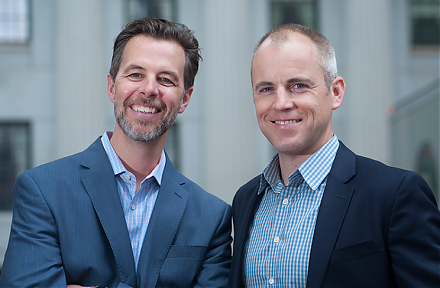
Edge strategies help business leaders improve core products and services in a more cost-effective and less risky way. Alan Lewis and Dan McKone (2016)
2020-01-01 13:39:00 Wednesday ET

President Trump approves a phase one trade agreement with China. This approval averts the introduction of new tariffs on Chinese imports. In return, China s
2018-06-04 08:38:00 Monday ET
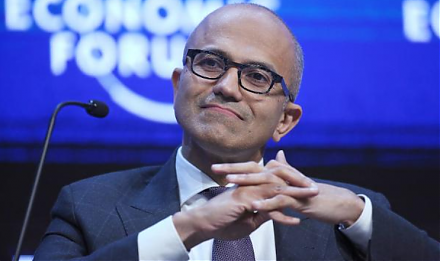
Microsoft acquires GitHub, a software development platform that has been widely shared-and-used by more than 28 million programmers worldwide. GitHub's
2017-01-23 09:30:00 Monday ET

There are several highlights from the first news conference after Trump's presidential election victory: The Trump administration will repeal-and-
2022-04-25 10:34:00 Monday ET

Corporate ownership governance theory and practice The genesis of modern corporate governance and ownership studies traces back to the seminal work
2018-01-07 09:33:00 Sunday ET

Zuckerberg announces his major changes in Facebook's newsfeed algorithm and user authentication. Facebook now has to change the newsfeed filter to prior