
DocuSign is a global provider of cloud-based software. The company's DocuSign Agreement Cloud is a cloud software suite that automates and connects the entire agreement process. Agreement cloud products include e-signature, DocuSign's anchor product that helps businesses prepare, sign, act on, and manage agreements digitally; Contract Lifecycle Management, which automates workflows across agreement process; Insight, which scouts and analyzes agreements by legal concepts and clauses using artificial intelligence; Analyzer, which acts as a add-on to insight and analyzes inbound agreements, detectingclauses by type, scoring their risk, and extracting important terms....
+See MoreSharpe-Lintner-Black CAPM alpha (Premium Members Only) Fama-French (1993) 3-factor alpha (Premium Members Only) Fama-French-Carhart 4-factor alpha (Premium Members Only) Fama-French (2015) 5-factor alpha (Premium Members Only) Fama-French-Carhart 6-factor alpha (Premium Members Only) Dynamic conditional 6-factor alpha (Premium Members Only) Last update: Saturday 17 October 2026
2018-10-27 09:34:00 Saturday ET

U.S. automobile and real estate sales decline despite higher consumer confidence and low unemployment as of October 2018. This slowdown arises from the curr
2019-04-11 07:35:00 Thursday ET
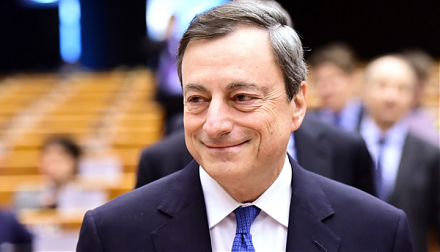
European Central Bank designs its current monetary policy reaction function and interest rate forward guidance in response to key delays in inflation conver
2018-03-29 14:28:00 Thursday ET
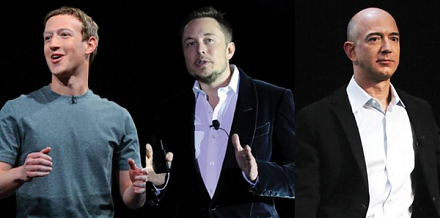
Share prices tumble for technology stocks due to Trump's criticism of Amazon's tax avoidance, Facebook user data breach of trust, and Tesla autopilo
2023-03-07 11:29:00 Tuesday ET
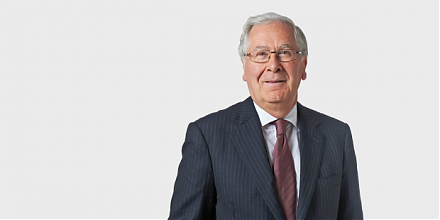
Former Bank of England Governor Mervyn King provides his deep substantive analysis of the Global Financial Crisis of 2008-2009. Mervyn King (2017) &nb
2019-07-11 10:48:00 Thursday ET
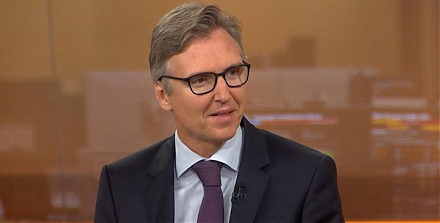
France and Germany are the biggest beneficiaries of Sino-U.S. trade escalation, whereas, Japan, South Korea, and Taiwan suffer from the current trade stando
2016-10-19 00:00:00 Wednesday ET
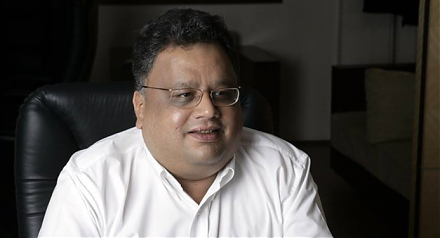
India's equivalent to Warren Buffett in America, Rakesh Jhunjhunwala, offers several key lessons for stock market investors: When the press o
 Reports
 Metrics
 Events
 AI Stock Synopses