
iShares MSCI ACWI ETF (the Fund), formerly iShares MSCI ACWI Index Fund, is an exchange-traded fund (ETF). The Fund seeks investment results that correspond generally to the price and yield performance of the MSCI All Country World Index (the Index). The Index is a free float-adjusted market capitalization index designed to measure the combined equity market performance of developed and emerging markets countries. Components primarily include consumer discretionary, consumer staples, energy, financial, industrials and information technology companies. The Fund generally invests at least 90% of its assets in securities of the Index and in depositary receipts representing securities of the Index. BlackRock Fund Advisors is the Fund’s investment adviser. » Full Overview of ACWI.A ...
+See MoreSharpe-Lintner-Black CAPM alpha (Premium Members Only) Fama-French (1993) 3-factor alpha (Premium Members Only) Fama-French-Carhart 4-factor alpha (Premium Members Only) Fama-French (2015) 5-factor alpha (Premium Members Only) Fama-French-Carhart 6-factor alpha (Premium Members Only) Dynamic conditional 6-factor alpha (Premium Members Only) Last update: Saturday 17 October 2026
2019-07-27 17:37:00 Saturday ET
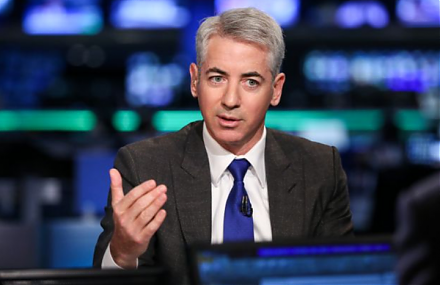
Capital gravitates toward key profitable mutual funds until the marginal asset return equilibrates near the core stock market benchmark. As Stanford finance
2018-11-05 10:40:00 Monday ET
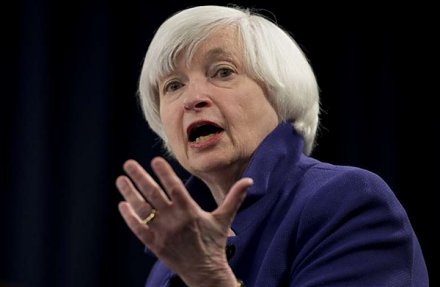
Former Fed Chair Janet Yellen worries about U.S. government debt accumulation, expects new interest rate increases, and warns of the next economic recession
2022-09-25 09:34:00 Sunday ET

Main reasons for share repurchases Temporary market undervaluation often induces corporate incumbents to initiate a share repurchase program to boost the
2018-12-20 13:40:00 Thursday ET
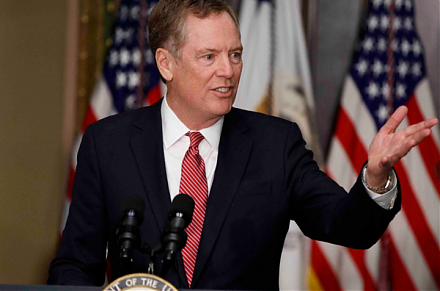
T-Mobile and Sprint indicate that the U.S. is likely to approve their merger plan as they take the offer from foreign owners to stop using HuaWei telecom te
2024-05-27 03:23:34 Monday ET

Stock Synopsis: Life insurers emphasize profit margins over sales growth rates. We review and analyze the recent market share data in the U.S. life insur
2017-02-01 14:41:00 Wednesday ET
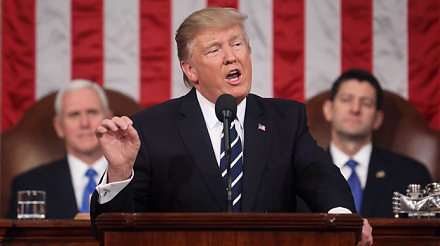
President Trump refreshes his public image through his presidential address to Congress with numerous ambitious economic policies in order to make America g
 Reports
 Metrics
 Events
 AI Stock Synopses