
Wells Fargo & Company is one of the largest financial services companies in the U.S. The company provides banking, insurance, trust and investments, mortgage banking, investment banking, retail banking, brokerage services and consumer and commercial finance through more than 4,700 retail bank branches, broad automated telling machines (ATMs) network, the Internet and other distribution channels globally. It has 4 segments. Consumer Banking and Lending offers products and services like checking and savings accounts, credit and debit cards, as well as home, auto, personal and small business lending to consumers and small businesses. Commercial Banking provides banking and credit products across industries, and treasury management. Corporate and Investment Banking delivers services related to capital markets, banking and financial products. Wealth and Investment Management provides personalized wealth management, brokerage, financial planning, lending, private banking, trust and fiduciary products and services....
+See More2017-12-21 12:45:00 Thursday ET

Tony Robbins summarizes several personal finance and investment lessons for the typical layperson: We cannot beat the stock market very often, so it w
2025-10-12 13:32:00 Sunday ET
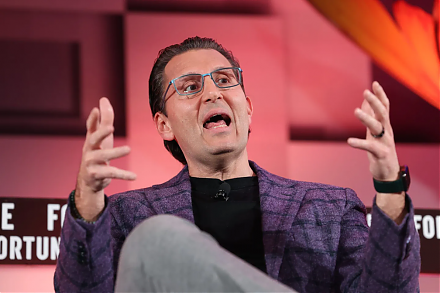
Stock Synopsis: With a new Python program, we use, adapt, apply, and leverage each of the mainstream Gemini Gen AI models to conduct this comprehensive fund
2023-09-14 09:28:00 Thursday ET
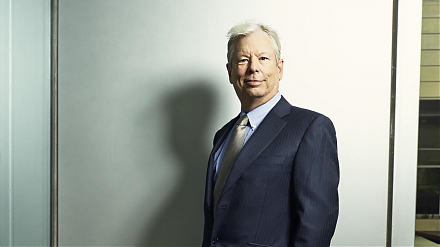
Colin Camerer, George Loewenstein, and Matthew Rabin assess the recent advances in the behavioral economic science. Colin Camerer, George Loewenstei
2020-08-05 08:33:00 Wednesday ET
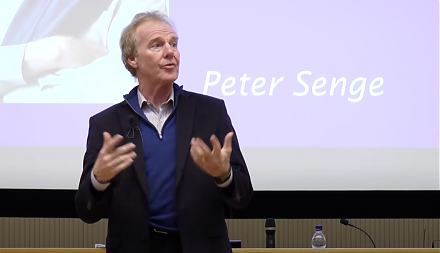
Business leaders often think from a systemic perspective, share bold visions, build great teams, and learn new business models. Peter Senge (2006) &nb
2017-01-11 11:38:00 Wednesday ET
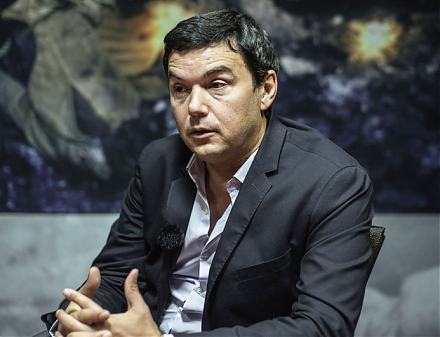
Thomas Piketty's recent new book *Capital in the Twenty-First Century* frames income and wealth inequality now as a global economic phenomenon. When
2021-08-01 07:26:00 Sunday ET
The Biden administration launches economic reforms in fiscal and monetary stimulus, global trade, finance, and technology. President Joe Biden proposes s