
Avery Dennison Corporation produces pressure-sensitive materials, and a variety of tickets, tags, labels and other converted products. Its clientele is spread across the United States, Europe, Asia, Latin America and other regions. Avery's Label and Graphic Materials segment includes Label and Packaging Materials, Graphics Solutions, and Reflective Solutions. Pressure-sensitive materials include papers, plastic films, metal foils and fabrics, which are coated with internally-developed and purchased adhesives, and then laminated with specially-coated backing papers and films. Label and packaging materials are sold to label converters for labeling, decorating, and specialty applications in the home and personal care, beer and beverage, durables, pharmaceutical, wine and spirits, and food market segments. The graphics and reflective products include a variety of films and products that are sold to the architectural, commercial sign, digital printing, and other related market segments....
+See More2018-10-23 12:36:00 Tuesday ET
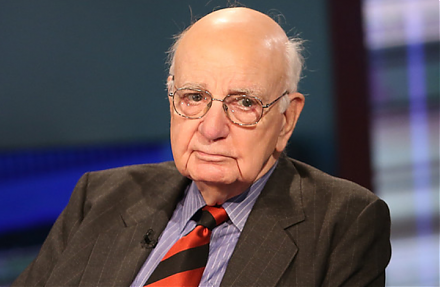
Former Fed Chair Paul Volcker releases his memoir, talks about American public governance, and worries about plutocracy in America. Volcker suggests that pu
2017-12-09 08:37:00 Saturday ET

Michael Bloomberg, former NYC mayor and media entrepreneur, criticizes that the Trump administration's tax reform is a trillion dollar blunder because i
2020-03-19 13:39:00 Thursday ET

The business legacy and sensitivity of Steve Jobs can transform smart mobile devices with Internet connectivity, music and video content curation, and digit
2023-04-14 13:32:00 Friday ET
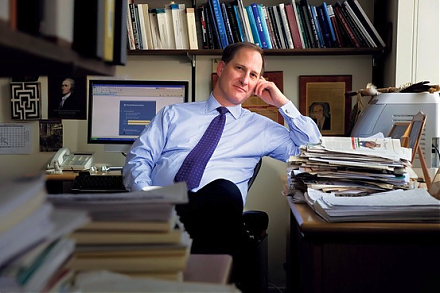
Calomiris and Haber delve into the comparative analysis of bank crises and politics in America, Britain, Canada, Mexico, and Brazil. Charles Calomiris an
2024-03-19 03:35:58 Tuesday ET
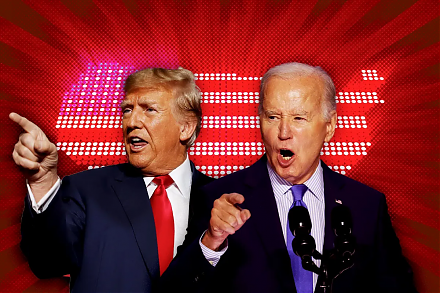
U.S. presidential election: a re-match between Biden and Trump in November 2024 We delve into the 5 major economic themes of the U.S. presidential electi
2018-06-25 12:43:00 Monday ET
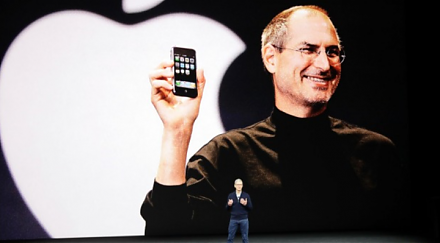
Apple and Samsung are the archrivals for the title of the world's top smart phone maker. The recent patent lawsuit settlement between Apple and Samsung