
athenahealth, Inc., incorporated on August 21, 1997, provides network-based medical record, revenue cycle, patient engagement, care coordination and population health services. The Company also offers Epocrates and other point-of-care mobile applications. The Company delivers majority of its service offerings through a single instance of cloud-based software, athenaNet. The Company has a range of network-enabled services to support healthcare providers across the continuum of care. The Company offers various combinations of its services to its clients, including athenaOne and athenaOne for Hospitals and Health Systems, depending on whether they are medical groups and practices or hospitals and larger health systems. As of December 31, 2016, the Company connected care across a national network of approximately 88,000 providers and approximately 86 million patients. The Company's suite of network-enabled services includes athenaCollector, athenaClinicals, athenaCommunicator, athenaCoordinator, Population Health and Epocrates. ...
+See More2020-07-12 08:30:00 Sunday ET

The lean CEO encourages iterative continuous improvements and collaborative teams to innovate around core value streams. Jacob Stoller (2015)
2017-01-23 09:30:00 Monday ET

There are several highlights from the first news conference after Trump's presidential election victory: The Trump administration will repeal-and-
2019-09-03 14:29:00 Tuesday ET

Due to U.S. tariffs and other cloudy causes of economic policy uncertainty, Apple, Nintendo, and Samsung start to consider making tech products in Vietnam i
2017-08-07 09:39:00 Monday ET

Global financial markets suffer as President Trump promises *fire and fury* in response to the recent report that North Korea has successfully miniaturized
2019-11-23 08:33:00 Saturday ET

MIT financial economist Simon Johnson rethinks capitalism with better key market incentives. Johnson refers to the recent Business Roundtable CEO statement
2017-03-27 06:33:00 Monday ET
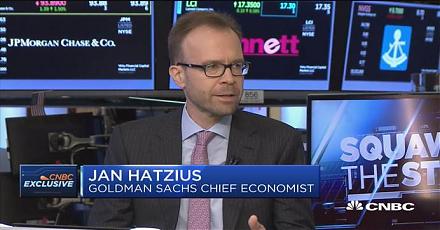
Goldman Sachs chief economist Jan Hatzius says the Federal Reserve's QE exit strategy makes sense ahead of Fed Chair Janet Yellen's stepdown in 2018