
2018-04-02 07:33:00 Mon ET
technology antitrust competition bilateral trade free trade fair trade trade agreement trade surplus trade deficit multilateralism neoliberalism world trade organization regulation public utility current account compliance
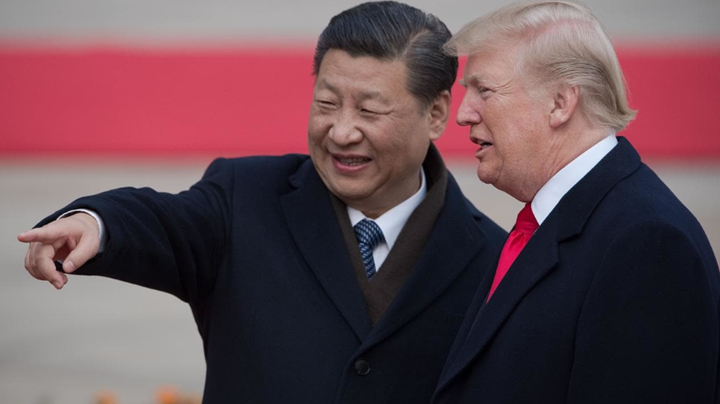
China President Xi JinPing tries to ease trade tension between America and China in his presidential address at the annual Boao forum. In his vulnerable attempt to avert the Sino-American trade war, President Xi announces multiple plans to open China. These plans include curtailing tariffs on automobile imports, enforcing the legal protection of intellectual properties of foreign companies, and filing pragmatic complaints against the Trump tariffs on steel and aluminum.
However, several sources suggest that it is unlikely for China to completely retreat from the international free trade system. Should the Trump administration insist on imposing tariffs on Chinese imports, China can follow suit to counterbalance this strategic act with retaliatory tariffs. In effect, this rare game of chicken weakens the bilateral trade negotiations between China and America.
President Xi's speech strikes a positive tone and serves as a reconciliatory gesture toward the Trump administration. Chinese doves attempt to assuage the cold war mentality of Trump hawks, whereas, the Trump administration can threaten China with new tariffs. The Sino-U.S. trade relations may become the ancient Thucydides trap that significant shifts in relative strength of core powers can be a primary cause of bilateral conflict.
If any of our AYA Analytica financial health memos (FHM), blog posts, ebooks, newsletters, and notifications etc, or any other form of online content curation, involves potential copyright concerns, please feel free to contact us at service@ayafintech.network so that we can remove relevant content in response to any such request within a reasonable time frame.
2018-07-25 11:41:00 Wednesday ET
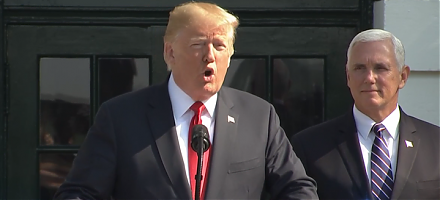
President Trump hails and touts America's new high real GDP economic growth in 2018Q2. The U.S. is now a $20+ trillion economy, and America hits this mi
2018-12-21 11:39:00 Friday ET
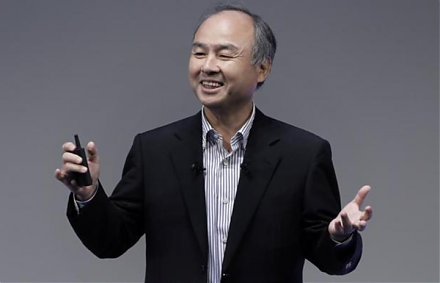
The Internet and telecom conglomerate SoftBank Group raises $23 billion in the biggest IPO in Japan. Going public is part of the major corporate move away f
2018-12-17 08:43:00 Monday ET
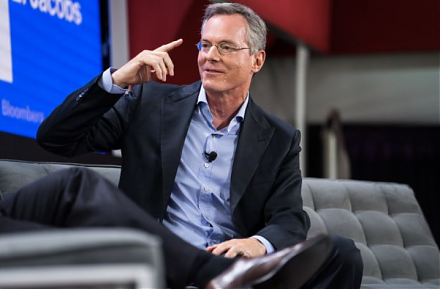
Apple files an appeal to overturn the recent iPhone sales ban in China due to its patent infringement of Qualcomm proprietary technology. This recent ban of
2018-11-27 10:37:00 Tuesday ET
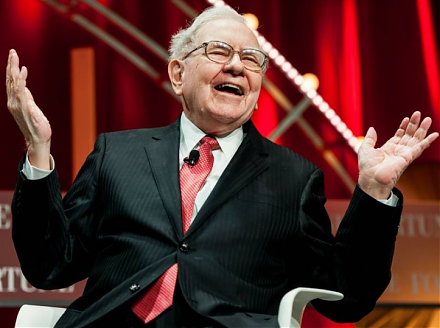
Warren Buffett offloads a few stocks from the Berkshire Hathaway portfolio in mid-November 2018. The latest S.E.C. report shows that the Oracle of Omaha sol
2018-03-23 08:26:00 Friday ET

Personal finance and investment author Thomas Corley studies and shares the rich habits of self-made millionaires. Corley has spent 5 years studying the dai
2019-02-06 10:36:49 Wednesday ET
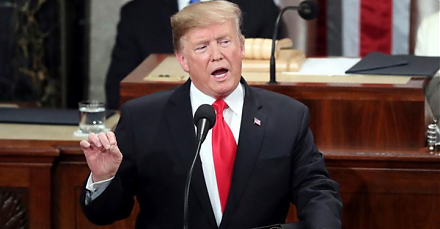
President Trump delivers his second state-of-the-union address to U.S. Congress. Several key themes emerge from this presidential address. First, President