
2019-11-21 11:34:00 Thu ET
federal reserve monetary policy treasury dollar employment inflation interest rate exchange rate macrofinance recession systemic risk economic growth central bank fomc greenback forward guidance euro capital global financial cycle credit cycle yield curve
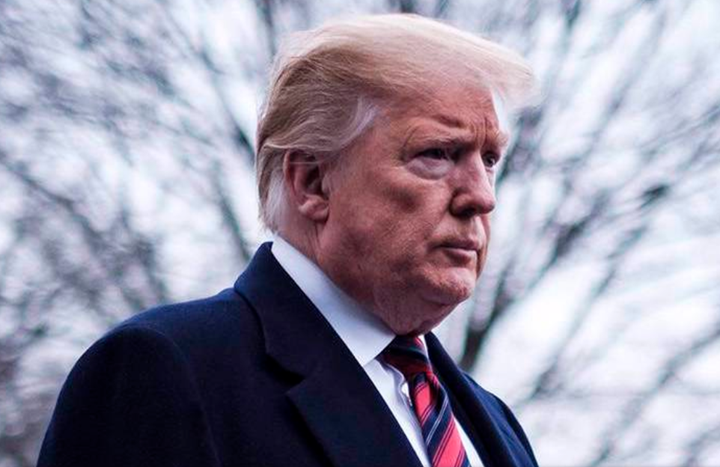
Berkeley macro economist Brad DeLong sees no good reasons for an imminent economic recession with mass unemployment and even depression. The current U.S. economic expansion can be sustainable over the longer run when the Trump administration helps direct people and resources from low to high-marginal-return productive activities. There is no clear sign of an economic recession with higher unemployment in light of moderate wage inflation, low price inflation below the 2% target, and reasonable real economic output. These fundamental considerations suggest that the current U.S. economic boom is likely to sustain at least over the medium term.
However, envy and greed are often the muses that almost always convince some stock market investors to buy equity stakes at the peak of an asset bubble. Later these stock market investors would wonder why there are no hints of the probable risks or black swans. The same economic rationale also applies to more generic investors who retain an active interest in bonds, currencies, futures, and precious metals such as gold, silver, and platinum etc.
As the Federal Reserve maintains the current dovish interest rate adjustments with Treasury fiscal stimulus packages such as tax cuts and infrastructure expenditures, an economic recession cannot be imminent under normal labor market conditions.
If any of our AYA Analytica financial health memos (FHM), blog posts, ebooks, newsletters, and notifications etc, or any other form of online content curation, involves potential copyright concerns, please feel free to contact us at service@ayafintech.network so that we can remove relevant content in response to any such request within a reasonable time frame.
2020-02-12 09:31:00 Wednesday ET

Mark Zuckerberg develops Facebook as a social network platform to help empower global connections among family and friends. David Kirkpatrick (2011) T
2021-11-22 11:29:00 Monday ET
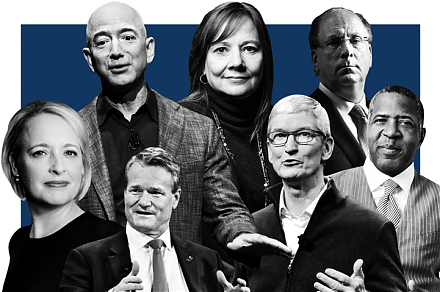
U.S. judiciary subcommittee delves into the market dominance of online platforms in terms of the antitrust, commercial, and administrative law in America.
2017-01-11 11:38:00 Wednesday ET

Thomas Piketty's recent new book *Capital in the Twenty-First Century* frames income and wealth inequality now as a global economic phenomenon. When
2018-09-15 11:35:00 Saturday ET

Apple releases its September 2018 trifecta of smart phones or iPhone X sequels: iPhone Xs, iPhone Xs Max, and iPhone XR. Both iPhone Xs and iPhone Xs Max ha
2019-05-11 10:28:00 Saturday ET
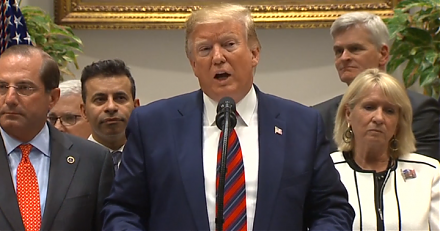
The Trump administration still expects to reach a Sino-U.S. trade agreement with a better mechanism for intellectual property protection and enforcement. Pr
2018-10-23 12:36:00 Tuesday ET
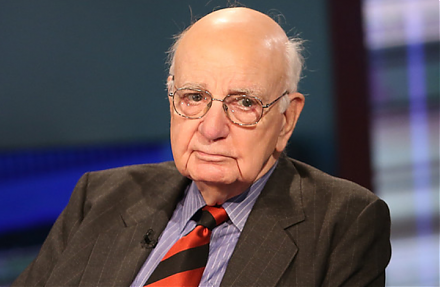
Former Fed Chair Paul Volcker releases his memoir, talks about American public governance, and worries about plutocracy in America. Volcker suggests that pu