
2018-05-01 11:38:00 Tue ET
technology antitrust competition bilateral trade free trade fair trade trade agreement trade surplus trade deficit multilateralism neoliberalism world trade organization regulation public utility current account compliance
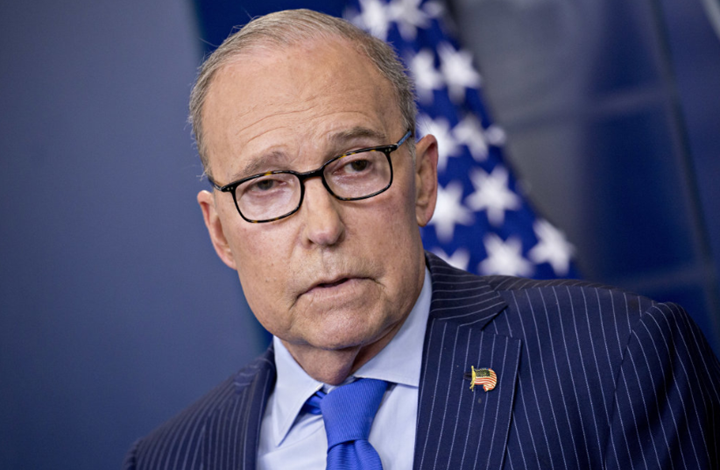
America and China play the game of chicken over trade and technology, whereas, most market observers and economic media commentators hope the Trump team to help avert a long and open Sino-U.S. trade war. The current Sino-U.S. trade war may erect trade barriers such as tariffs, quotas, and even embargoes on both sides at the expense of global citizens who would then face higher costs and prices.
In recent times, America imposes tariffs on $60 billion Chinese imports in addition to its steel-and-aluminum tariffs on western allies such as Canada, Europe, and Mexico. National Economic Council top adviser and former CNBC economic media host Larry Kudlow expresses cautious optimism toward the next trade negotiations with the Chinese delegation. The Trump administration also initiates an executive order to bar U.S. government agencies from buying 5G products and services from Chinese telecom equipment providers such as HuaWei and ZTE.
This executive order restricts private government contractors from buying foreign telecom products and services in close relation to 5G national economic security. These restrictions help deter unforeseen contingencies that might arise from both Chinese espionage and disruption.
If any of our AYA Analytica financial health memos (FHM), blog posts, ebooks, newsletters, and notifications etc, or any other form of online content curation, involves potential copyright concerns, please feel free to contact us at service@ayafintech.network so that we can remove relevant content in response to any such request within a reasonable time frame.
2017-12-19 09:39:00 Tuesday ET
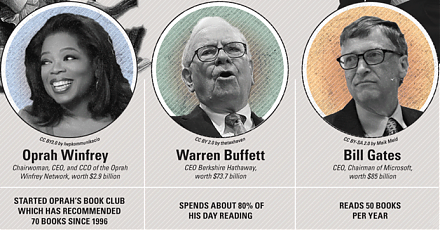
From Oprah Winfrey to Bill Gates, this infographic visualization summarizes the key habits and investment styles of highly successful entrepreneurs:
2023-08-28 08:26:00 Monday ET

Jared Diamond delves into how some societies fail, succeed, and revive in global human history. Jared Diamond (2004) Collapse: how societies
2018-09-23 08:37:00 Sunday ET
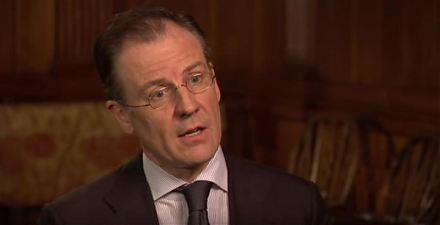
Bank of America Merrill Lynch's chief investment strategist Michael Hartnett points out that U.S. corporate debt (not household credit supply or bank ca
2023-05-27 11:30:00 Saturday ET
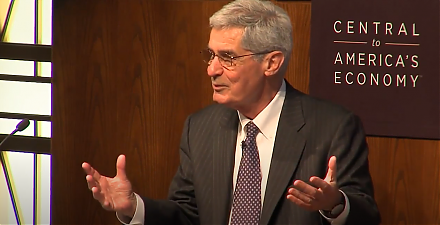
Bank failure resolution and financial risk management: Silicon Valley Bank, Signature Bank, and First Republic Bank. What are the main root cau
2017-12-13 06:39:00 Wednesday ET
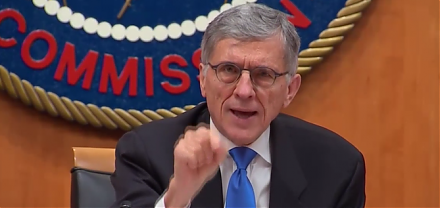
The Federal Communications Commission (FCC) has decided its majority vote to dismantle rules and regulations of most Internet service providers (ISPs) that
2019-05-30 16:44:00 Thursday ET

AYA Analytica finbuzz podcast channel on YouTube May 2019 In this podcast, we discuss several topical issues as of May 2019: (1) Our proprietary alp