
Jagged Peak Energy Inc. operates as an independent oil and natural gas company. The company focuses on the acquisition and development of unconventional oil and associated liquids-rich natural gas reserves in the Southern Delaware basin, a sub-basin of the Permian basin of West Texas. As of December 31, 2018, it held an 87% average working interest in approximately 79,500 net acres with an estimated net proved reserves of 118,890 thousand barrel of oil equivalent, as well as owned a 89% average working interest in 143 net productive wells. Jagged Peak Energy Inc. was founded in 2013 and is headquartered in Denver, Colorado....
+See MoreSharpe-Lintner-Black CAPM alpha (Premium Members Only) Fama-French (1993) 3-factor alpha (Premium Members Only) Fama-French-Carhart 4-factor alpha (Premium Members Only) Fama-French (2015) 5-factor alpha (Premium Members Only) Fama-French-Carhart 6-factor alpha (Premium Members Only) Dynamic conditional 6-factor alpha (Premium Members Only) Last update: Saturday 17 October 2026
2018-02-19 08:39:00 Monday ET

Snap cannot keep up with the Kardashians because its stock loses market value 7% or $1 billion after Kylie Jenner tweets about her decision to leave Snapcha
2018-04-07 09:36:00 Saturday ET

Facebook CEO Mark Zuckerberg testifies in Congress to rise up to the challenge of public outrage in response to the Cambridge Analytica data debacle and use
2018-01-04 07:36:00 Thursday ET
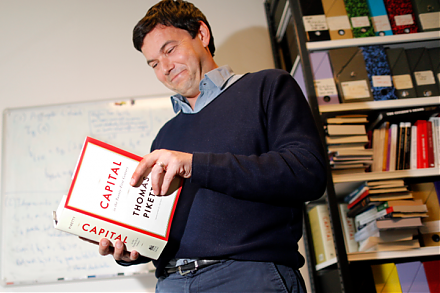
The world now faces an economic inequality crisis with few policy options. Some recent U.S. Federal Reserve data suggest that both income and wealth inequal
2018-11-19 09:38:00 Monday ET

The Trump administration mulls over antitrust actions against Amazon, Facebook, and Google. President Trump indicates that the $5 billion fine against Googl
2019-01-23 11:32:00 Wednesday ET

Higher public debt levels, global interest rate hikes, and subpar Chinese economic growth rates are the major risks to the world economy from 2019 to 2020.
2018-09-09 13:42:00 Sunday ET
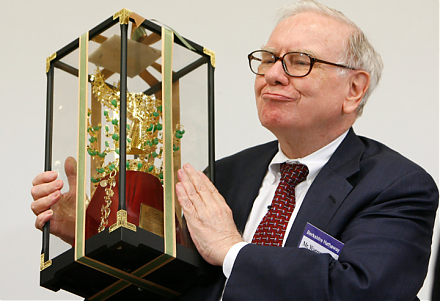
Warren Buffett shares his key insights into life, success, money, and interpersonal communication. Institutional money managers and retail investors ca
 Reports
 Metrics
 Events
 AI Stock Synopses