
GE Aerospace (erstwhile General Electric Company) is a leading designer, developer and producer of jet engines, components and integrated systems for military, commercial and business aircraft. The company is well-known for its aero-derivative gas turbines for marine applications. Its zeal to invest in upgrades and innovation of products along with outstanding service capabilities and technological expertise raises its competitive appeal. Founded in 1892, General Electric (now GE Aerospace) is currently headquartered in Evendale, OH. The company operates its businesses in the United States, Europe, Asia, the Middle East and Africa, and the Americas. Its products and services range from jet engines like LEAP, GE9X & GEnx, airframes, avionics systems, aviation electric power systems, turboprop engines, engine gear, and transmission components and services among others....
+See MoreSharpe-Lintner-Black CAPM alpha (Premium Members Only) Fama-French (1993) 3-factor alpha (Premium Members Only) Fama-French-Carhart 4-factor alpha (Premium Members Only) Fama-French (2015) 5-factor alpha (Premium Members Only) Fama-French-Carhart 6-factor alpha (Premium Members Only) Dynamic conditional 6-factor alpha (Premium Members Only) Last update: Saturday 17 October 2026
2019-09-30 07:33:00 Monday ET

AYA Analytica finbuzz podcast channel on YouTube September 2019 In this podcast, we discuss several topical issues as of September 2019: (1) Former
2021-07-07 05:22:00 Wednesday ET

What are the best online stock market investment tools? Stock trading has seen an explosion since the start of the pandemic. As people lost their jobs an
2025-06-21 05:25:00 Saturday ET

President Trump refreshes American fiscal fears, worries, and concerns through the One Big Beautiful Bill Act. The Congressional Budget Office (CBO) estimat
2017-03-27 06:33:00 Monday ET
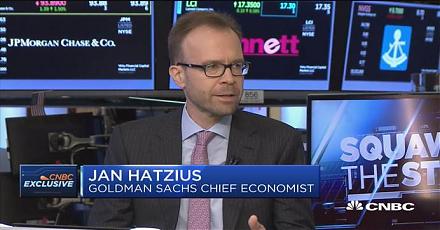
Goldman Sachs chief economist Jan Hatzius says the Federal Reserve's QE exit strategy makes sense ahead of Fed Chair Janet Yellen's stepdown in 2018
2017-01-17 12:42:00 Tuesday ET
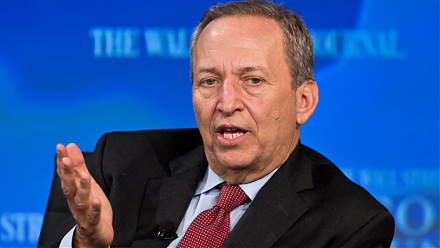
Former Treasury Secretary and Harvard President Larry Summers critiques that the Trump administration's generous tax holiday for American multinational
2019-08-09 18:35:00 Friday ET
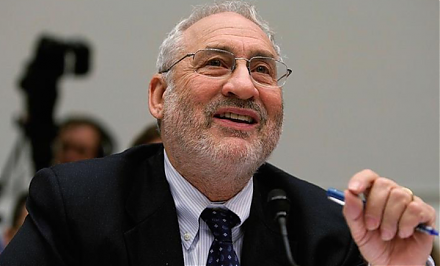
Nobel Laureate Joseph Stiglitz maintains that globalization only works for a few elite groups; whereas, the government should now reassert itself in terms o
 Reports
 Metrics
 Events
 AI Stock Synopses