
Champions Oncology, Inc., formerly known as Champions Biotechnology, Inc., engages in the development of advanced technology solutions to personalize the development and use of oncology drugs. The Company's Tumorgraft Technology Platform is a novel approach to personalizing cancer care based upon the implantation of human tumors in immune deficient mice followed by propagation of the resulting engraftments. This technology can evaluate tumor sensitivity/resistance to various single, combination standard and novel chemotherapy agents. Champions Oncology, Inc. is based in Baltimore, Maryland....
+See MoreSharpe-Lintner-Black CAPM alpha (Premium Members Only) Fama-French (1993) 3-factor alpha (Premium Members Only) Fama-French-Carhart 4-factor alpha (Premium Members Only) Fama-French (2015) 5-factor alpha (Premium Members Only) Fama-French-Carhart 6-factor alpha (Premium Members Only) Dynamic conditional 6-factor alpha (Premium Members Only) Last update: Saturday 17 October 2026
2018-07-13 09:41:00 Friday ET
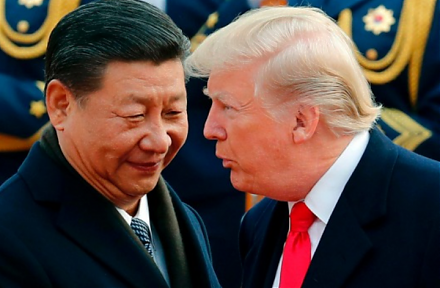
Yale economist Stephen Roach warns that America has much to lose from the current trade war with China for a few reasons. First, America is highly dependent
2016-10-19 00:00:00 Wednesday ET

India's equivalent to Warren Buffett in America, Rakesh Jhunjhunwala, offers several key lessons for stock market investors: When the press o
2022-10-15 09:34:00 Saturday ET

Internal capital markets and financial constraints Duchin (JF 2010) empirically finds that multidivisional firms with robust internal capital markets ret
2024-02-04 08:28:00 Sunday ET
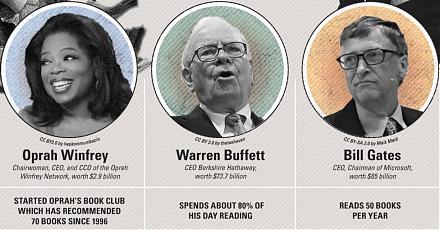
Our proprietary alpha investment model outperforms most stock market indexes from 2017 to 2024. Our proprietary alpha investment model outperforms the ma
2017-01-17 12:42:00 Tuesday ET
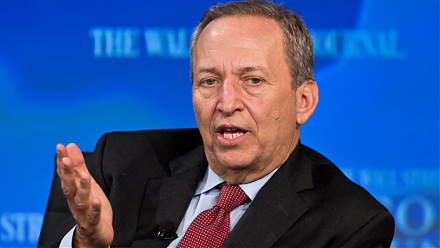
Former Treasury Secretary and Harvard President Larry Summers critiques that the Trump administration's generous tax holiday for American multinational
2018-05-10 07:37:00 Thursday ET
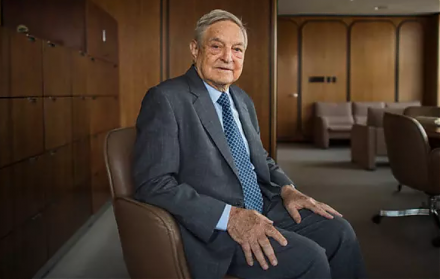
Top money managers George Soros and Warren Buffett reveal their current stock and bond positions in their recent corporate disclosures as of mid-2018. Georg
 Reports
 Metrics
 Events
 AI Stock Synopses