
Corcept is focused on the discovery, development and commercialization of drugs for the treatment of severe metabolic, psychiatric and oncology disorders which are associated with the activity of the hormone cortisol, also known as the stress hormone. Corcept's only marketed drug, Korlym (mifepristone), is approved for the once-daily oral treatment of hyperglycemia secondary to hypercortisolism in adult patients with endogenous Cushing's syndrome, suffering from type II diabetes or glucose intolerance and who have failed surgery or are not suitable for surgery....
+See MoreSharpe-Lintner-Black CAPM alpha (Premium Members Only) Fama-French (1993) 3-factor alpha (Premium Members Only) Fama-French-Carhart 4-factor alpha (Premium Members Only) Fama-French (2015) 5-factor alpha (Premium Members Only) Fama-French-Carhart 6-factor alpha (Premium Members Only) Dynamic conditional 6-factor alpha (Premium Members Only) Last update: Saturday 17 October 2026
2018-07-09 09:39:00 Monday ET

The Federal Reserve raises the interest rate again in mid-2018 in response to 2% inflation and wage growth. The current neutral interest rate hike neither b
2018-08-15 14:40:00 Wednesday ET

Senator Elizabeth Warren advocates the alternative view that most U.S. trade deals serve corporate interests over workers, customers, and suppliers etc. She
2018-04-17 12:38:00 Tuesday ET

Value investment strategies make investors wiser like water with core fundamental factor analysis. Value investors tend to buy stocks below their intrinsic
2017-06-03 05:35:00 Saturday ET

Fundamental value investors, who intend to manage their stock portfolios like Warren Buffett and Peter Lynch, now find it more difficult to ferret out indiv
2018-01-08 10:37:00 Monday ET
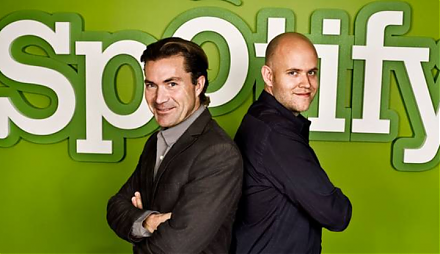
Spotify considers directly selling its shares to the retail public with no underwriter involvement. The music-streaming company plans a direct list on NYSE
2023-04-28 16:38:00 Friday ET

Peter Schuck analyzes U.S. government failures and structural problems in light of both institutions and incentives. Peter Schuck (2015) Why
 Reports
 Metrics
 Events
 AI Stock Synopses