ChromaDex Corporation and its subsidiaries supply phytochemical reference standards and reference materials, related contract services, and products for the dietary supplement, nutraceutical, food and beverage, functional food, pharmaceutical and cosmetic markets. ChromaDex's core business strategy is to use the intellectual property harnessed by its expertise in the area of natural products and in the creation of reference materials to the industry as the basis for providing new and alternative, `green`, mass marketable products to its customers. The Company's main priority is to create industry-accepted information, and to provide products and services to every layer of the functional food, pharmaceutical, personal care and dietary supplement markets. The company markets and sells its products in the United States and Canada. It offers its products through distributors in Europe, South America, Korea, India, Japan, Australia, New Zealand, China, Indonesia, Malaysia, Singapore, Thailand, and Mexico....
+See MoreSharpe-Lintner-Black CAPM alpha (Premium Members Only) Fama-French (1993) 3-factor alpha (Premium Members Only) Fama-French-Carhart 4-factor alpha (Premium Members Only) Fama-French (2015) 5-factor alpha (Premium Members Only) Fama-French-Carhart 6-factor alpha (Premium Members Only) Dynamic conditional 6-factor alpha (Premium Members Only) Last update: Saturday 17 October 2026
2018-05-23 09:41:00 Wednesday ET

Many U.S. large public corporations spend their tax cuts on new dividend payout and share buyback but not on new job creation and R&D innovation. These
2018-10-19 13:37:00 Friday ET
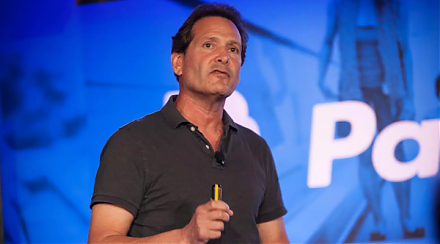
PayPal earns great fintech reputation from its massive worldwide network of 250+ million active users. As PayPal beats the revenue and profit expectations o
2019-12-07 11:30:00 Saturday ET
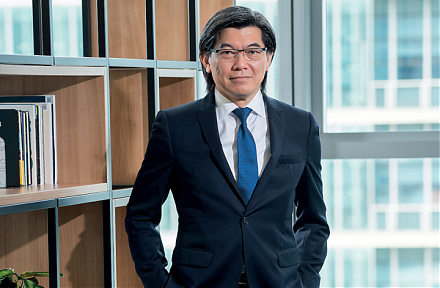
China turns on its 5G telecom networks in the hot pursuit of global tech supremacy. China Telecom, China Unicom, and China Mobile disclose 5G fees of $18-$2
2018-12-15 14:38:00 Saturday ET
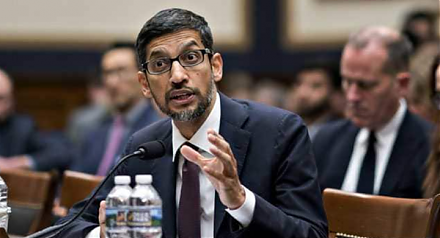
Google CEO Sundar Pichai makes his debut testimony before Congress. The post-mid-term-election House Judiciary Committee bombards Pichai with key questions
2019-02-07 07:25:00 Thursday ET
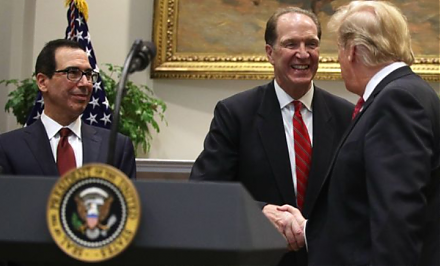
President Trump picks David Malpass to run the World Bank to curb international multilateralism. The Trump administration seems to prefer bilateral negotiat
2019-04-15 08:37:00 Monday ET
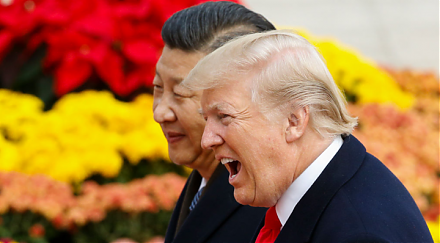
Chinese Belt-and-Road funds large international infrastructure investment projects primarily in East Asia, Central Asia, North Africa, and Italy. Chinese Be
 Reports
 Metrics
 Events
 AI Stock Synopses