
Assembly Biosciences, Inc. is a biopharmaceutical company. It develops therapies for infectious diseases and other disorders of the gastrointestinal (GI) system. Assembly's product portfolio consists of two late stage assets: VEN 307 for relief from pain associated with anal fissures and VEN 308 for the treatment of fecal incontinence. The Company is also developing novel microbiome-based technology for targeted oral delivery of therapeutic bacteria, complex proteins, viral antigens and small molecules to treat intractable infectious diseases of the GI tract, such as C. difficile infections. Assembly Biosciences Inc., formerly known as Ventrus Biosciences, Inc., is based in New York....
+See MoreSharpe-Lintner-Black CAPM alpha (Premium Members Only) Fama-French (1993) 3-factor alpha (Premium Members Only) Fama-French-Carhart 4-factor alpha (Premium Members Only) Fama-French (2015) 5-factor alpha (Premium Members Only) Fama-French-Carhart 6-factor alpha (Premium Members Only) Dynamic conditional 6-factor alpha (Premium Members Only) Last update: Saturday 17 October 2026
2018-11-19 09:38:00 Monday ET

The Trump administration mulls over antitrust actions against Amazon, Facebook, and Google. President Trump indicates that the $5 billion fine against Googl
2018-06-07 10:36:00 Thursday ET
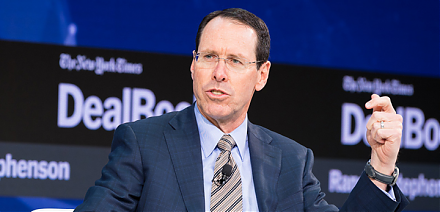
AT&T wins court approval to take over Time Warner with a trademark $85 billion bid despite the Trump administration prior dissent due to antitrust conce
2018-01-05 07:37:00 Friday ET

Warren Buffett cleverly points out that American children will not only be better off than their parents, but the former will also enjoy higher living stand
2021-02-01 10:19:00 Monday ET

In recent times, the International Monetary Fund (IMF) predicts that the fiscal-debt-to-GDP ratio of most rich economies would rise from 95% in 2018 to 135%
2018-05-04 06:29:00 Friday ET

Commerce Secretary Wilbur Ross suggests that 5G remains a U.S. top technology priority in light of the telecom merger proposal between Sprint and T-Mobile a
2018-09-01 07:34:00 Saturday ET
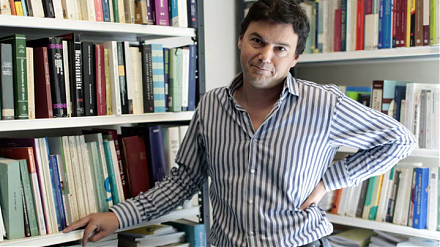
As the French economist who studies global economic inequality in his recent book *Capital in the New Century*, Thomas Piketty co-authors with John Bates Cl
 Reports
 Metrics
 Events
 AI Stock Synopses