2019-08-07 12:33:00 Wed ET
trust perseverance resilience empathy compassion passion purpose vision mission life metaphors seamless integration critical success factors personal finance entrepreneur inspiration grit
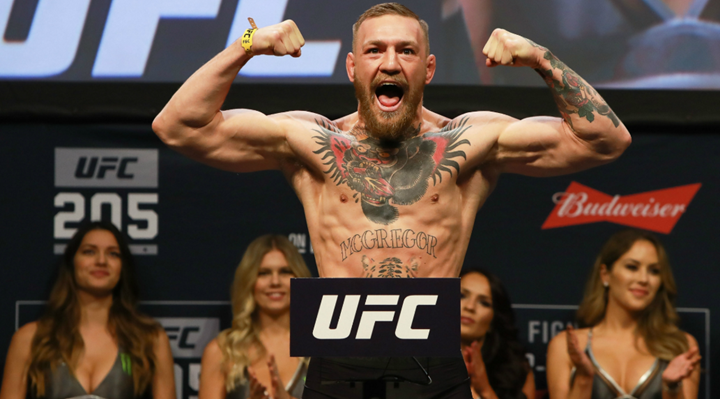
Conor McGregor learns a major money lesson from LeBron James. This lesson suggests that James spends about $1.5 million on his own body each year. The $1.5 million annual expenditure includes all the costs of his home gym and trainers, chefs, nutritionists, and massage therapists etc. To continue to be fit as an NBA superstar, James understands the self-discipline rule that he should eat-and-train well. This crucial investment empowers James to remain at the top of professional basketball. To the extent that LeBron James continues to be a competitive athlete, Conor McGregor also intends to remain fit in combat sports.
McGregor has been known as one of the flashiest fighters in his UFC profession. In recent years, McGregor makes millions of dollars per year and has launched his own popular whisky brand Proper No.12 and an apparel line August McGregor. He buys designer suits and fast cars, and he travels on luxury yachts etc. As soon as McGregor learns the vital money lesson from LeBron James, McGregor halts his spending spree to invest more on his own body. This wise investment can pay off well in the forms of better health, fitness, motivation, and commitment to his lifelong pursuit.
If any of our AYA Analytica financial health memos (FHM), blog posts, ebooks, newsletters, and notifications etc, or any other form of online content curation, involves potential copyright concerns, please feel free to contact us at service@ayafintech.network so that we can remove relevant content in response to any such request within a reasonable time frame.
2017-06-09 06:37:00 Friday ET
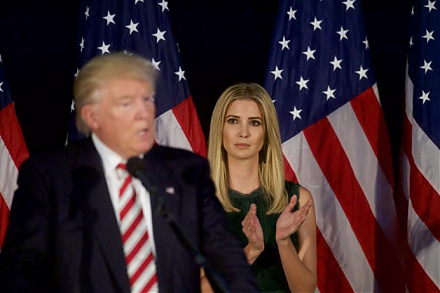
To complement President Trump's pro-business economic policies such as low taxation, new infrastructure, greater job creation, and technological in
2018-07-03 11:42:00 Tuesday ET
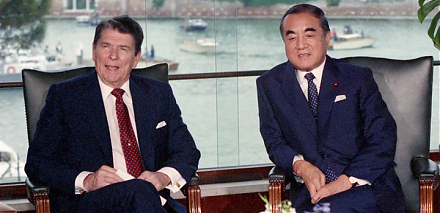
President Trump's current trade policies appear like the Reagan administration's protectionist trade policies back in the 1980s. In comparison to th
2017-01-03 03:26:00 Tuesday ET
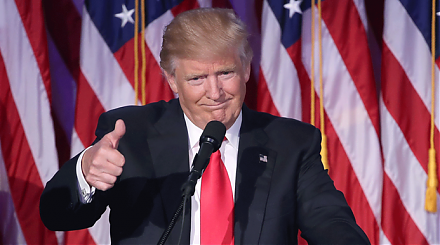
President-Elect Donald Trump wants Apple and its tech peers to consider better and greater high-tech job creation in America. Apple has asked its primary
2019-01-19 12:38:00 Saturday ET
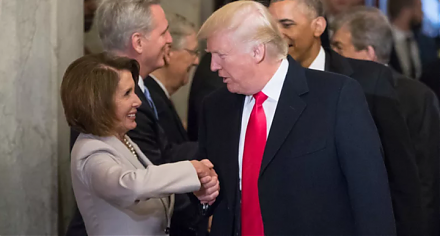
U.S. government shuts down again because House Democrats refuse to spend $5 billion on the border wall that would give President Trump great victory on his
2018-10-17 12:33:00 Wednesday ET
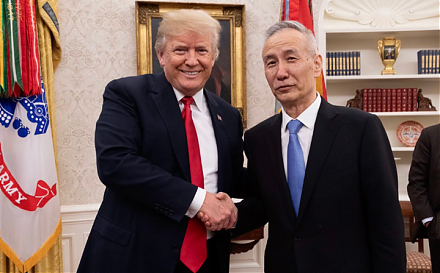
The Trump administration blames China for egregious currency misalignment, but this criticism cannot confirm *currency manipulation* on the part of the Chin