
The Goodyear Tire & Rubber Company is one of the largest tire manufacturing companies in the world, selling under Goodyear, Kelly, Dunlop, Fulda, Debica, Sava and various other house brands (such as, Lee, Kingstone, Douglas, Mohave and Republic) as well as private-label brands (Roadhandler, Star and Monarch). It sells tires, undertakes automotive repairs and provides other services. It has 3 geographical segments. Americas, the largest in terms of revenue, develops, manufactures, distributes and sells tires and related products and services in North, Central and South America, and sells tires to various export markets. Europe, Middle East and Africa, the company's second largest segment, develops, manufactures, distributes and sells tires for automobiles, trucks, buses, aircraft, motorcycles, and earthmoving, mining and industrial equipment across Europe, the Middle East and Africa, and sells tires and Asia-Pacific segment does the same throughout the Asia Pacific region....
+See More2019-07-25 16:42:00 Thursday ET
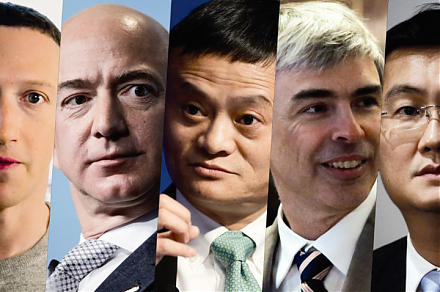
Platforms benefit from positive network effects, scale economies, and information cascades. There are at least 2 major types of highly valuable platforms: i
2019-05-01 09:27:00 Wednesday ET

Apple settles its 2-year intellectual property lawsuit with Qualcomm by agreeing to a multi-year patent license with royalty payments to the microchip maker
2018-08-15 14:40:00 Wednesday ET
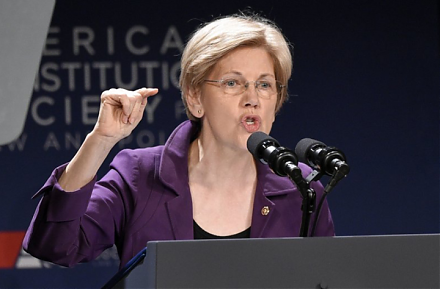
Senator Elizabeth Warren advocates the alternative view that most U.S. trade deals serve corporate interests over workers, customers, and suppliers etc. She
2017-07-01 08:40:00 Saturday ET

The Economist interviews President Donald Trump and spots the keyword *reciprocity* in many aspects of Trumponomics from trade and taxation to infrastructur
2018-03-29 14:28:00 Thursday ET

Share prices tumble for technology stocks due to Trump's criticism of Amazon's tax avoidance, Facebook user data breach of trust, and Tesla autopilo
2022-04-15 10:32:00 Friday ET

Corporate investment management This review of corporate investment literature focuses on some recent empirical studies of M&A, capital investm