
Equinix, Inc. is a global digital infrastructure company. Equinix combines a global footprint of International Business Exchange or IBX data centers, interconnection solutions and edge services for deploying network. It includes unique business, digital ecosystems, and expert consulting and support. The company has 3 reportable segments comprised of the Americas, Middle East and Africa and Asia-Pacific geographic regions. It has a direct sales force and a channel marketing program. Its business is based on a recurring revenue model comprising colocation, related interconnection and managed IT infrastructure services. These services are considered to be recurring, as customers are billed at fixed rates on a recurring basis through the life of the respective contracts. Non-recurring revenues comprise installation services related to initial deployment and professional services. Also, revenues from customer settlements (fees paid for terminating contracts before expiry) are treated as contract modifications....
+See More2018-03-25 08:39:00 Sunday ET
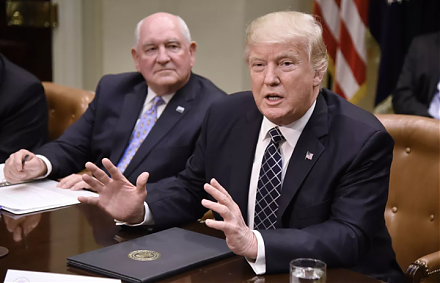
President Trump imposes punitive tariffs on $60 billion Chinese imports in a brand-new trade war as China hits back with retaliatory tariffs on $3 billion U
2019-08-22 11:35:00 Thursday ET

Fundamental factors often reflect macroeconomic innovations and so help inform better stock investment decisions. Nobel Laureate Eugene Fama and his long-ti
2025-06-20 08:27:00 Friday ET
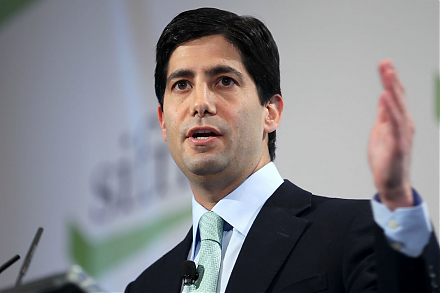
President Trump poses new threats to Fed Chair monetary policy independence again. We describe, discuss, and delve into the mainstream reasons, conc
2018-09-17 12:40:00 Monday ET
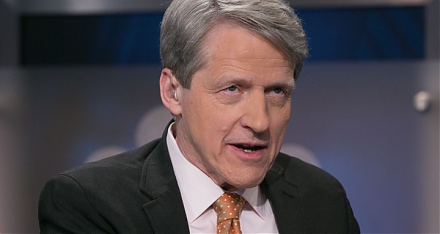
Nobel Laureate Robert Shiller's long-term stock market indicator points to a recent peak. His cyclically-adjusted P/E ratio (or CAPE) accounts for long-
2025-07-26 09:26:00 Saturday ET

Nir Eyal and Ryan Hoover explain why keystone habits lead us to purchase products, goods, and services in our lives. The Hooked Model can help shine new lig
2019-11-09 16:38:00 Saturday ET
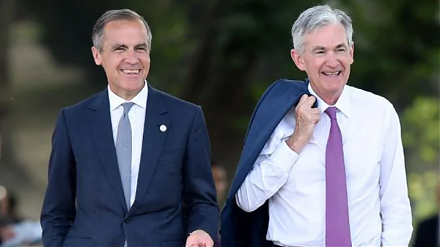
Federal Reserve Chairman Jerome Powell indicates that the central bank would resume Treasury purchases to avoid turmoil in money markets. Powell indicates t