
B&G Foods, Inc. along with its subsidiaries manufactures, sells and distributes high quality, shelf stable, frozen food and household products across the U.S., Canada and Puerto Rico. It boasts of a diversified portfolio of brands like Back to Nature, B&G, B&M, Cream of Wheat, Green Giant, Las Palmas, Le Sueur, Mama Mary's, Maple Grove Farms, Mrs. Dash, etc. It has acquired and integrated more than 45 brands. In order to meet production need, it procures a range of raw materials such as agricultural items as well as meat, poultry and flour amongst others. Ingredients and packaging materials are sourced from growers, commodity processors other food companies and packaging suppliers. It also engages in institutional, foodservice and private label sales. It sells, distributes and markets products to supermarkets, mass merchants, warehouse clubs, specialty food distributors, wholesalers, foodservice distributors and direct accounts, military commissaries and non-food outlets such as drug and dollar store chains....
+See More2019-09-15 14:35:00 Sunday ET
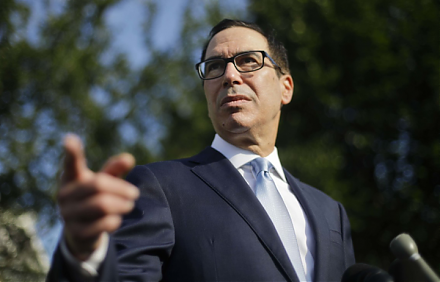
U.S. Treasury officially designates China a key currency manipulator in the broader context of Sino-American trade dispute resolution. The U.S. Treasury cla
2018-06-05 07:36:00 Tuesday ET

Just Capital issues a new report in support of the stakeholder value proposition in recent times. U.S. corporations that perform best on key priorities such
2019-10-17 08:35:00 Thursday ET
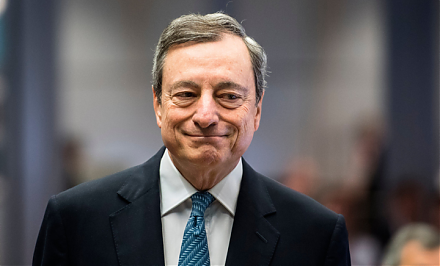
The European Central Bank expects to further reduce negative interest rates with new quantitative government bond purchases. The ECB commits to further cutt
2018-08-05 12:34:00 Sunday ET
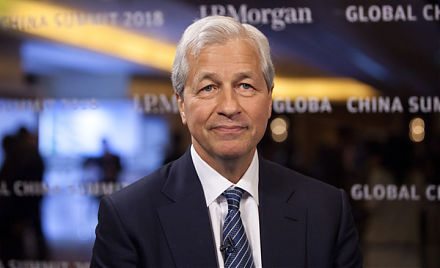
JPMorgan Chase CEO Jamie Dimon sees great potential for 10-year government bond yields to rise to 5% in contrast to the current 3% 10-year Treasury bond yie
2023-10-28 12:29:00 Saturday ET
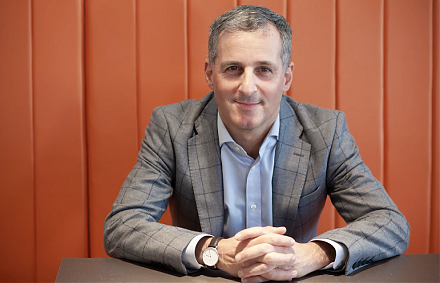
Paul Morland suggests that demographic changes lead to modern economic growth in the current world. Paul Morland (2019) The human tide: how
2018-11-01 08:36:00 Thursday ET
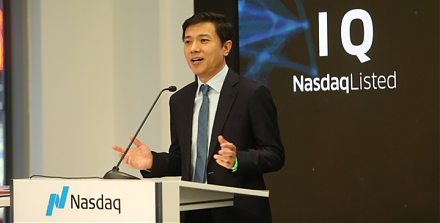
Ford and Baidu team up to test autonomous cars in China. For the next few years, Ford and Baidu plan to collaborate on the car design and user acceptance te