
Basic Energy Services, Inc. provides well site services to oil and natural gas drilling and producing companies in the United States. The company operates through Completion and Remedial Services, Well Servicing, Water Logistics, and Contract Drilling segments. The Completion and Remedial Services segment offers pumping services, such as cementing, acidizing, fracturing, nitrogen, and pressure testing; rental and fishing tools; coiled tubing; snubbing services; thru-tubing; underbalanced drilling in low pressure and fluid sensitive reservoirs; and cased-hole wireline services. The Well Servicing segment provides services performed with a mobile well servicing rig and ancillary equipment, such as maintenance work, hoisting tools and equipment required by the operation, and plugging and abandonment services, as well as manufactures and sells workover rigs. As of December 31, 2018, this segment operated a fleet of 310 well servicing rigs. The Water Logistics segment is involved in the transportation of fluids; saltwater production; sale and transportation of fresh and brine water; rental of portable fracturing and test tanks; recycling and treatment of wastewater; operation of fresh water and brine source wells, and non-hazardous wastewater disposal wells; and preparation, construction, and maintenance of access roads, drilling locations, and production facilities. As of December 31, 2017, this segment owned and operated 823 fluid service trucks with an average fluid hauling capacity of up to 150 barrels apiece; and owned 83 saltwater disposal facilities. The Contract Drilling segment employs drilling rigs and related equipment to penetrate the earth to a desired depth and initiate production. This segment owns and operates 11 land drilling rigs. The company was formerly known as Sierra Well Service, Inc. and changed its name to Basic Energy Services, Inc. in 2000. Basic Energy Services, Inc. was founded in 1992 and is headquartered in Fort Worth, Texas....
+See More2019-05-09 10:28:00 Thursday ET
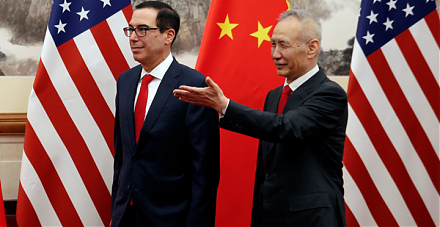
President Trump ramps up 25% tariffs on $200 billion Chinese imports soon after China backtracks on the Sino-American trade agreement. U.S. trade envoy Robe
2019-07-25 16:42:00 Thursday ET

Platforms benefit from positive network effects, scale economies, and information cascades. There are at least 2 major types of highly valuable platforms: i
2019-09-21 09:25:00 Saturday ET
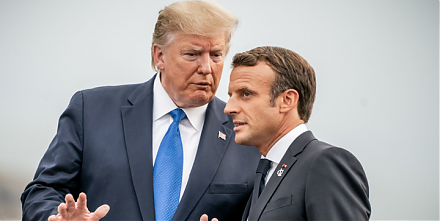
President Trump praises great unity and progress at the G7 summit with respect to Sino-U.S. trade conflict resolution, global climate change, containment fo
2019-08-26 11:30:00 Monday ET

Partisanship matters more than the socioeconomic influence of the rich and elite interest groups. This new trend emerges from the recent empirical analysis
2018-02-11 07:30:00 Sunday ET
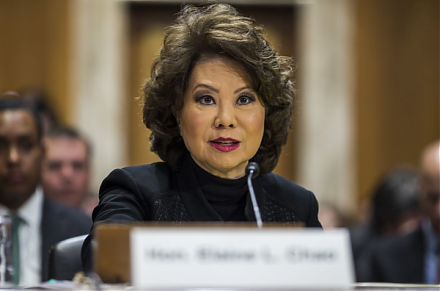
President Trump unveils his ambitious $1.5 trillion public infrastructure plan. Trump proposes offering $100 billion in federal incentives to encourage stat
2019-04-23 19:45:00 Tuesday ET

Income and wealth concentration follows the ebbs and flows of the business cycle in America. Economic inequality not only grows among people, but it also gr