American Public Education, Inc. is an online provider of higher education, focused on serving the military and public service communities. The majority of students are either serving the U.S. military actively or are civilians who are indirectly associated with the military like veterans, reservists or National Guard members. Its students also include public service professionals in the civilian space, including federal, national and local law enforcement personnel. American Public Education segment (American Military University and American Public University System, Inc) offers 124-degree programs and 112 certificate programs in fields ranging from national security, military studies, intelligence, homeland security, criminal justice, technology, business administration, education, health science, education and liberal arts. Hondros College of Nursing segment provides nursing education through in-person classes and online. The students are offered Diploma in Practical Nursing and Associate Degree in Nursing....
+See More2019-06-27 10:39:00 Thursday ET

Berkeley tax economists Gabriel Zucman and Emmanuel Saez find fresh insights into wealth inequality in America. Their latest estimates show that the top 0.1
2018-12-03 10:40:00 Monday ET
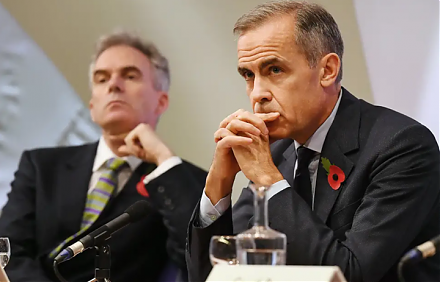
Bank of England publishes its latest insights into the economic impact of Brexit on British real productivity, capital investment, and labor supply as of 20
2025-10-06 10:27:00 Monday ET

Stock Synopsis: With a new Python program, we use, adapt, apply, and leverage each of the mainstream Gemini Gen AI models to conduct this comprehensive fund
2019-12-01 10:31:00 Sunday ET

Goop Founder and CEO Gwyneth Paltrow serves as a great inspiration for female entrepreneurs. Paltrow designs Goop as an online newsletter, and this newslett
2022-08-30 10:32:00 Tuesday ET

The financial services industry needs fewer banks worldwide. As long as banks have existed in human history, their managers have realized how not all dep
2019-10-19 16:35:00 Saturday ET
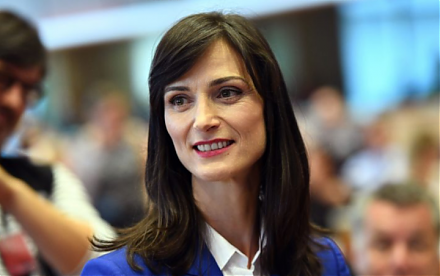
European economic integration seems to have gone backwards primarily due to the recent Brexit movement. Brexit, key European sovereign debt, and French and