
Alkermes plc, formed by the merger of Waltham, MA-based Alkermes, Inc. and Elan Drug Technologies (EDT), is a fully integrated global biopharmaceutical company that utilizes proprietary technologies to research, develop and commercialize, both with partners and on its own pharmaceutical products in major therapeutic areas. Alkermes holds a diversified product portfolio and a promising pipeline of candidates targeting major central nervous system (CNS) disorders including schizophrenia, depression, addiction and multiple sclerosis. Alkermes derives revenues on net sales of its proprietary products: Vivitrol & Aristada, and manufacturing and/or royalty revenues on net sales of products commercialized by the company's partners. These include Risperdal Consta, Invega Sustenna/Xeplion, Invega Trinza/Trevicta, Ampyra/Fampyra and Bydureon. Interesting late-stage candidate in the company's pipeline include nemvaleukin alfa developed for treating advanced solid tumors. Its proprietary drugs are Vivitrol & Aristada....
+See More2018-04-11 09:37:00 Wednesday ET

North Korean leader and president Kim Jong-Un seeks peaceful resolution and denuclearization on the Korean Peninsula. When *peace* comes to shove, Asia
2017-03-09 05:32:00 Thursday ET

From 1927 to 2017, the U.S. stock market has delivered a hefty average return of about 11% per annum. The U.S. average stock market return is high in stark
2019-08-03 09:28:00 Saturday ET
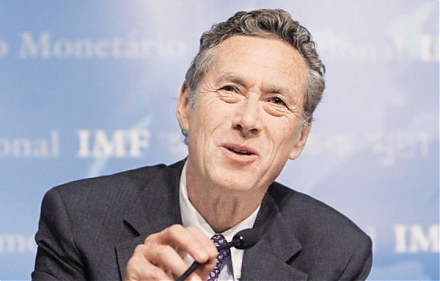
U.S. inflation has become sustainably less than the 2% policy target in recent years. As Harvard macro economist Robert Barro indicates, U.S. inflation has
2018-06-07 10:36:00 Thursday ET

AT&T wins court approval to take over Time Warner with a trademark $85 billion bid despite the Trump administration prior dissent due to antitrust conce
2023-11-28 11:35:00 Tuesday ET

David Colander and Craig Freedman argue that economics went wrong when there was no neoclassical firewall between economic theories and policy reforms. D
2023-03-28 11:30:00 Tuesday ET
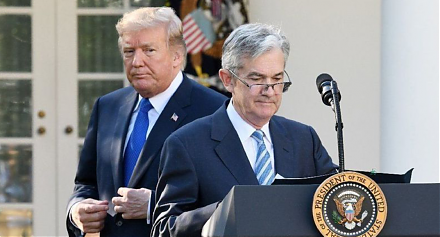
The Federal Reserve System conducts monetary policy decisions, interest rate adjustments, and inter-bank payment operations. Peter Conti-Brown (2017)