
ADDUS HOMECARE is a comprehensive provider of a broad range of social and medical services in the home. The company's services include personal care and assistance with activities of daily living, skilled nursing and rehabilitative therapies, and adult day care. Its consumers are individuals with special needs who are at risk of hospitalization or institutionalization, such as the elderly, chronically ill and disabled. Its payor clients include federal, state and local governmental agencies, the Veterans Health Administration, commercial insurers and private individuals. Addus operates its business through two divisions, home & community services and home health services. The home & community services are social, or non-medical, in nature and include assistance with bathing, grooming, dressing, personal hygiene and medication reminders, and other activities of daily living whereas the home health services are medical in nature and include physical, occupational and speech therapy, as well as skilled nursing....
+See More2019-08-26 11:30:00 Monday ET
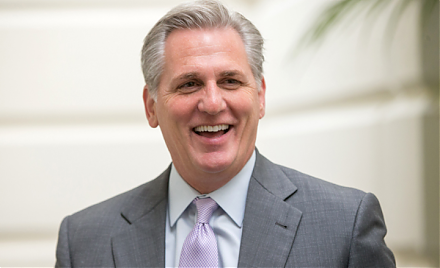
Partisanship matters more than the socioeconomic influence of the rich and elite interest groups. This new trend emerges from the recent empirical analysis
2018-12-23 13:39:00 Sunday ET
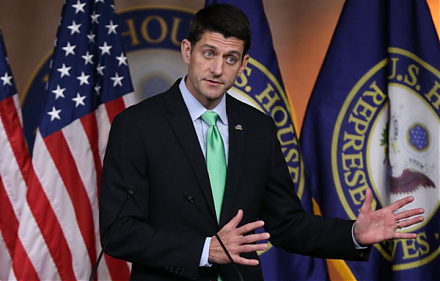
The House of Representatives considers a government expenditure bill with border wall finance and therefore sets up a shutdown stalemate with Senate. As fre
2019-01-29 10:33:00 Tuesday ET
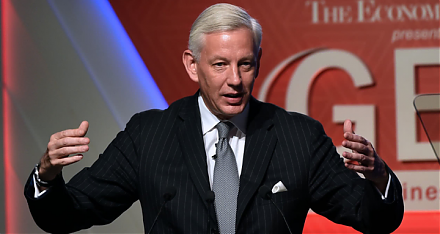
Global trade transforms from labor cost arbitrage to high-skill knowledge work. In fact, multinational manufacturers have been trying to create global suppl
2018-01-03 08:38:00 Wednesday ET

President Trump targets Amazon in his call for U.S. Postal Service to charge high delivery prices on the ecommerce giant. Trump picks another fight with an
2019-02-09 08:33:00 Saturday ET
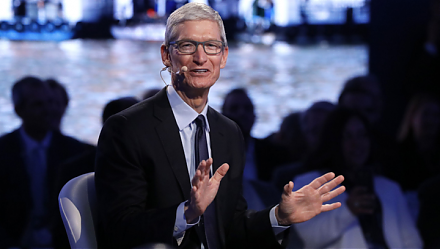
Apple provides positive forward guidance on both revenue and profit forecasts for iPhones, iPads, and MacBooks. In the Christmas 2018 festive season, MacBoo
2018-08-21 11:40:00 Tuesday ET
President Trump criticizes his new Fed Chair Jerome Powell for accelerating the current interest rate hike with greenback strength. This criticism overshado