ABB is a leading technology company. Its products and services can be used in automated manufacturing, providing digital solutions, electrification of industry and transport and enhancing productivity. It reports business under 4 segments - Electrification, Robotics & Discrete Automation, Process Automation and Motion. Electrification segment is responsible for the manufacture and sale of products and services, including low and medium voltage switchgear, control products, DIN rail components, wiring accessories and installation material for a plethora of applications. Robotics & Discrete Automation: This segment includes the machine and factory automation solutions from the business of B&R and a wide-ranging robotics solutions and applications suite. Process Automation: This provides control and plant optimization systems and automation products and solutions for optimizing the productivity of industrial processes. Motion:'The segment specializes in supplying motors, drives and generator products....
+See More2017-10-21 08:45:00 Saturday ET
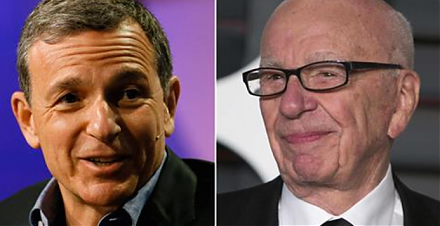
Netflix stares at higher content costs as Disney and Fox hold merger talks. Disney has held talks to acquire most of 21st Century Fox's business equity.
2018-01-10 08:40:00 Wednesday ET
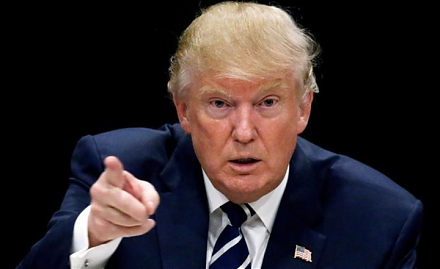
President Trump considers imposing retaliatory economic sanctions on Chinese products and services in direct response to China's theft and infringement
2020-01-15 08:31:00 Wednesday ET
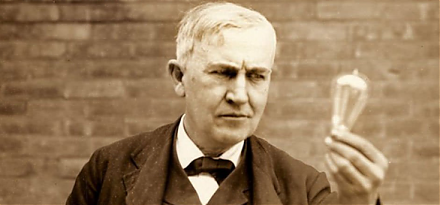
Anti-competitive corporate practices may stifle U.S. innovation. In recent decades, wage growth, economic output, and productivity tend to stagnate as U.S.
2018-07-23 07:41:00 Monday ET

President Trump now agrees to cease fire in the trade conflict with the European Union. Both sides can work together towards *zero tariffs, zero non-tariff
2026-01-19 10:30:00 Monday ET
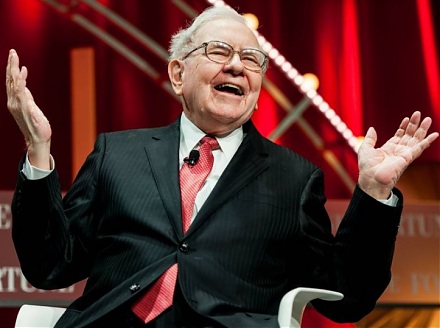
Andy Yeh Alpha (AYA) fintech network platform: major milestones, key product features, and online social media services Introduction
2019-08-18 11:33:00 Sunday ET
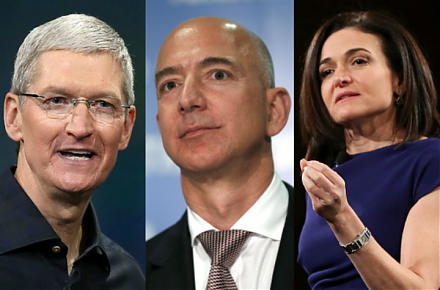
House Judiciary Committee summons senior executive reps of the tech titans to assess online platforms and their market power. These companies are Facebook,