
Home >> Stock >> CHS Inc Class B Reset Rate Cumulative Redeemable Preferred Stock Series 3 >> Metrics
CHS, Inc. is an integrated agricultural company owned by farmers, ranchers and cooperatives across the United States. The Company provides grain, foods, and energy resources to businesses and consumers. Its business is segmented into three areas - Energy, Ag, and Corporate and Other. The Energy segment produces and sells gasoline, diesel fuel, propane, asphalt, lubricants and other related products as well as provides transportation services. The Ag segment purchases and further processes or resells grains and oilseeds originated by its country operations business, by the member cooperatives and by third parties, and also serves as a wholesaler and retailer of crop inputs. The Corporate and Other segment represents non-consolidated wheat milling and packaged food joint ventures, as well as business solutions operations, which consists of commodities hedging, insurance and financial services related to crop production....
+See More2018-12-18 10:38:00 Tuesday ET

President Trump threatens to shut down the U.S. government in 2019 if Democrats refuse to help approve $5 billion public finance for the southern border wal
2018-06-01 07:30:00 Friday ET

The U.S. federal government debt has risen from less than 40% of total GDP about a decade ago to 78% as of May 2018. The Congressional Budget Office predict
2019-01-29 10:33:00 Tuesday ET
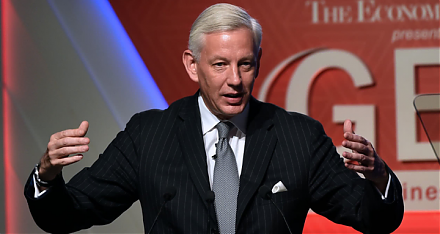
Global trade transforms from labor cost arbitrage to high-skill knowledge work. In fact, multinational manufacturers have been trying to create global suppl
2017-12-07 08:31:00 Thursday ET

Large multinational tech firms such as Facebook, Apple, Microsoft, Google, and Amazon can benefit much from the G.O.P. tax reform. A recent stock research r
2018-11-13 12:30:00 Tuesday ET

President Trump promises a great trade deal with China as Americans mull over mid-term elections. President Trump wants to reach a trade accord with Chinese
2019-01-07 18:42:00 Monday ET

Neoliberal public choice continues to spin national taxation and several other forms of government intervention. The key post-crisis consensus focuses on go