Amgen Inc. is the leading biotech companies world wide, with a strong presence in the oncology/hematology, cardiovascular disease, neuroscience, inflammation, bone health & nephrology and neuroscience markets. It developed two most successful drugs, Epogen & Neupogen. Amgen successfully launched two next-generation products, Aranesp & Neulasta and also a biosimilar drug, Prolia/Xgeva. The acquisition of Immunex Corp gave Amgen access to the multi-blockbuster drug, Enbrel. Other products are Repatha, Blincyto, Parsabiv, Evenity, Aimovig, Lumakras/Lumykras, Kanjinti, Mvasi & Amgevita biosimilars. Amgen also has a promising pipeline of cancer drugs. It has one of the strongest cash positions in the biotech sector, which could be used to acquire more pipeline assets that could fuel long-term growth. The erythropoiesis-stimulating agents and granulocyte colony-stimulating factor franchise comprise Epogen/Aranesp and Neupogen/Neulasta respectively. Biosimilar drugs are also a key part of Amgen's growth strategy....
+See More2025-05-29 08:25:28 Thursday ET
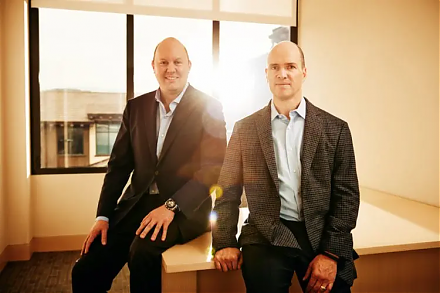
Serial venture capitalist Ben Horowitz describes many hard truths, lessons, and insights from his entrepreneurial journey of running LoudCloud from a Silico
2025-09-28 10:10:51 Sunday ET
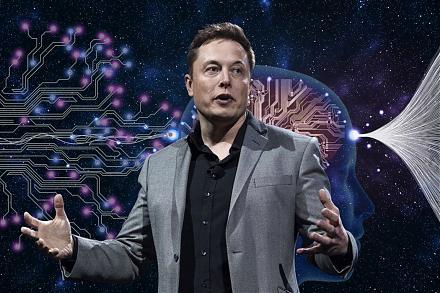
Stock Synopsis: With a new Python program, we use, adapt, apply, and leverage each of the mainstream Gemini Gen AI models to conduct this comprehensive fund
2018-10-11 08:44:00 Thursday ET
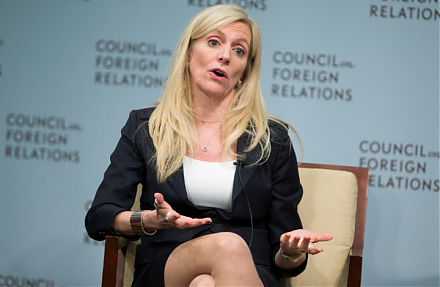
Treasury bond yield curve inversion often signals the next economic recession in America. In fact, U.S. bond yield curve inversion correctly predicts the da
2018-11-29 11:33:00 Thursday ET
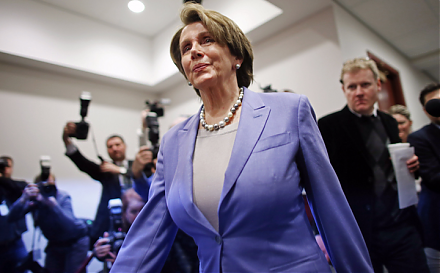
A congressional division between Democrats and Republicans can cause ripple effects on Trump economic reforms. As Democrats have successfully flipped the Ho
2018-01-25 08:32:00 Thursday ET
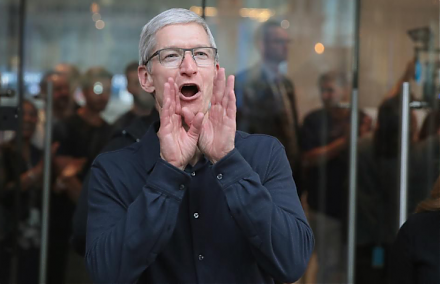
After its flagship iPhone X launch, Apple reports its highest quarterly sales revenue over $80 billion in the tech titan's 41-year history. Apple expect
2017-05-19 09:39:00 Friday ET
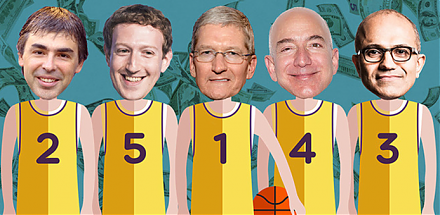
FAMGA stands for Facebook, Apple, Microsoft, Google, and Amazon. These tech giants account for more than 15% of market capitalization of the American stock