ABB is a leading technology company. Its products and services can be used in automated manufacturing, providing digital solutions, electrification of industry and transport and enhancing productivity. It reports business under 4 segments - Electrification, Robotics & Discrete Automation, Process Automation and Motion. Electrification segment is responsible for the manufacture and sale of products and services, including low and medium voltage switchgear, control products, DIN rail components, wiring accessories and installation material for a plethora of applications. Robotics & Discrete Automation: This segment includes the machine and factory automation solutions from the business of B&R and a wide-ranging robotics solutions and applications suite. Process Automation: This provides control and plant optimization systems and automation products and solutions for optimizing the productivity of industrial processes. Motion:'The segment specializes in supplying motors, drives and generator products....
+See More2018-04-17 12:38:00 Tuesday ET
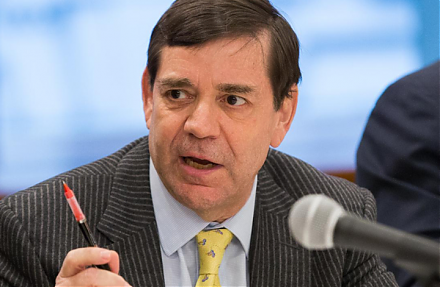
Value investment strategies make investors wiser like water with core fundamental factor analysis. Value investors tend to buy stocks below their intrinsic
2024-01-31 14:33:00 Wednesday ET
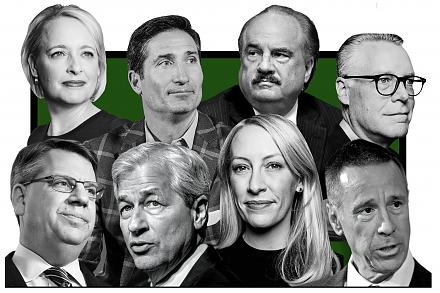
The new world order of trade helps accomplish non-economic policy goals such as national security and technological dominance. To the extent that freer
2017-03-03 05:39:00 Friday ET
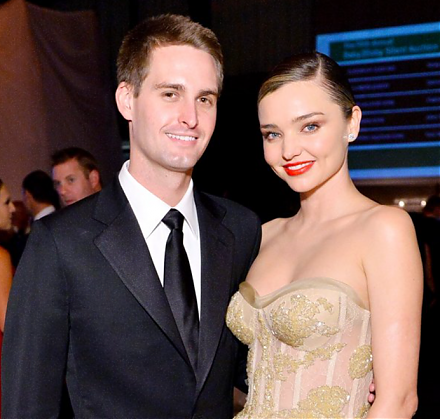
As the biggest IPO since Alibaba in recent years, Snap Inc with its novel instant-messaging app SnapChat achieves $30 billion stock market capitalization.
2018-12-17 08:43:00 Monday ET
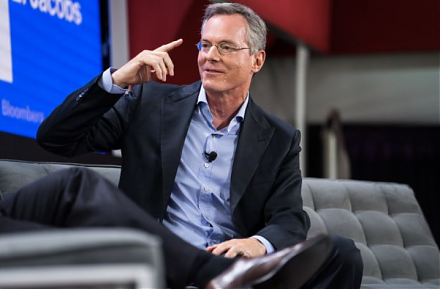
Apple files an appeal to overturn the recent iPhone sales ban in China due to its patent infringement of Qualcomm proprietary technology. This recent ban of
2018-06-11 07:44:00 Monday ET
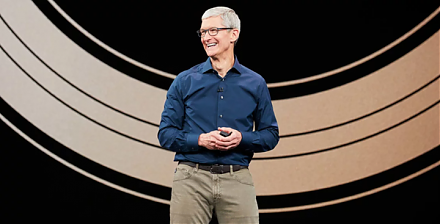
Facebook, Apple, Amazon, Netflix, and Google (FAANG) have been the motor of the S&P 500 stock market index. Several economic media commentators contend
2018-07-23 07:41:00 Monday ET
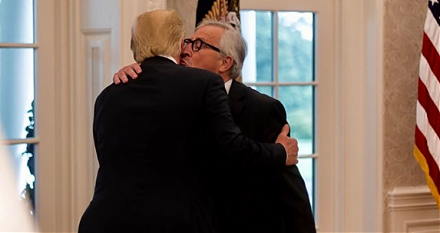
President Trump now agrees to cease fire in the trade conflict with the European Union. Both sides can work together towards *zero tariffs, zero non-tariff