
2019-07-03 11:35:00 Wed ET
technology antitrust competition bilateral trade free trade fair trade trade agreement trade surplus trade deficit multilateralism neoliberalism world trade organization regulation public utility current account compliance
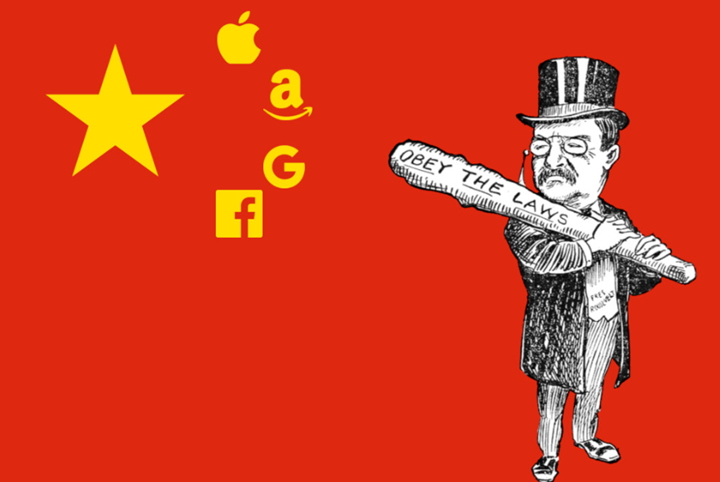
U.S. regulatory agencies may consider broader economic issues in their antitrust probe into tech titans such as Amazon, Apple, Facebook, and Google etc. House Judiciary Committee now expects to hold the inaugural session on anti-competitive practices among these tech companies. This new investigation represents the first congressional probe into allegations that these tech companies may abuse their quasi-monopoly power with suspicious anti-competitive behaviors.
House Democrats back this landmark investigation, and Republicans also have huge concerns around the potential abuse of tech monopoly power (although most conservatives intend to avoid excessive government intervention). Federal Trade Commission and Justice Department focus on how Facebook and Google affect consumer privacy and competitor survival across the news media landscape. The regulatory agencies also probe into whether Apple abuses its market power in collaboration with Spotify to dominate digital music and the key iOS app ecosystem. Moreover, the regulatory agencies examine whether Amazon not only drives down retail prices but also conducts collusive schemes in e-commerce.
Antitrust scrutiny remains one of the biggest bipartisan tech issues. The regulatory agencies may impose punitive fines to diminish the market power of the tech titans, or may break up some of the tech titans for better consumer welfare and competitor survival.
If any of our AYA Analytica financial health memos (FHM), blog posts, ebooks, newsletters, and notifications etc, or any other form of online content curation, involves potential copyright concerns, please feel free to contact us at service@ayafintech.network so that we can remove relevant content in response to any such request within a reasonable time frame.
2018-09-19 12:38:00 Wednesday ET
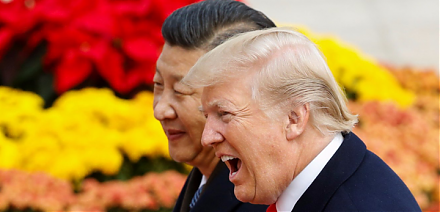
The Trump administration imposes 10% tariffs on $200 billion Chinese imports and expects to raise these tariffs to 25% additional duties toward the end of t
2021-08-01 07:26:00 Sunday ET
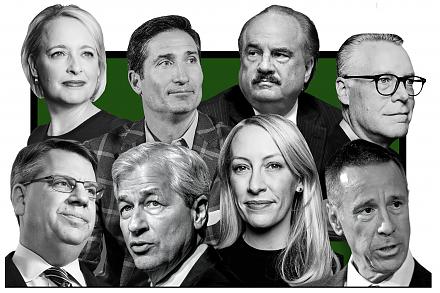
The Biden administration launches economic reforms in fiscal and monetary stimulus, global trade, finance, and technology. President Joe Biden proposes s
2018-01-19 11:32:00 Friday ET
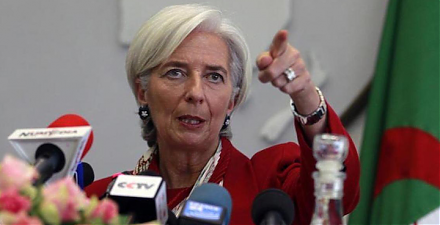
Most major economies grow with great synchronicity several years after the global financial crisis. These economies experience high stock market valuation,
2018-06-03 07:35:00 Sunday ET
Several recent events explain why Trump may undermine multilateral world order. First, Trump withdraws the U.S. from the 12-nation Trans-Pacific Partnership
2019-08-24 14:38:00 Saturday ET

Warren Buffett warns that the current cap ratio of U.S. stock market capitalization to real GDP seems to be much higher than the long-run average benchmark.
2020-02-12 09:31:00 Wednesday ET

Mark Zuckerberg develops Facebook as a social network platform to help empower global connections among family and friends. David Kirkpatrick (2011) T