
2019-10-05 07:27:00 Sat ET
technology antitrust competition bilateral trade free trade fair trade trade agreement trade surplus trade deficit multilateralism neoliberalism world trade organization regulation public utility current account compliance
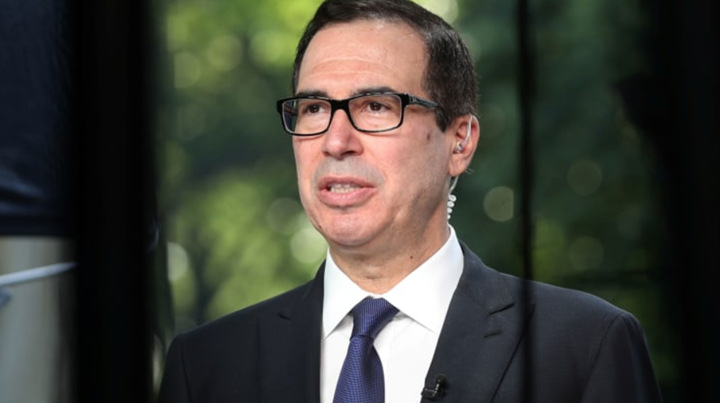
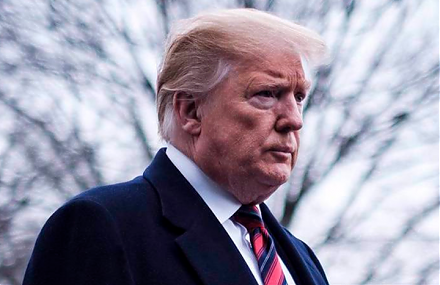
Treasury Secretary Steven Mnuchin indicates that there is a good conceptual trade agreement between China and the U.S. in regard to intellectual property protection and enforcement. Prior trade talks lead to positive progress on intellectual property protection and enforcement concerns. These trade talks are set to resume at high levels in October 2019. In a fresh interview with Fox Business, Treasury Secretary Steven Mnuchin conveys the main theme that both sides can reach a conceptual interim trade agreement on patent and trademark enforcement concerns. In the meantime, President Trump maintains the firm conviction that it would be important to impose heavy tariffs on Chinese imports if China cannot reach at least an interim fair trade deal.
Investor anxiety and other sentiment may manifest in the form of substantially more volatile asset price fluctuations across the U.S. and Asian asset markets for stocks, bonds, currencies, commodities, and so forth. As the People Bank of China (PBoC) governor Yi Gang is likely to join the October 2019 trade talks, the U.S. trade team expects to address the unfair trade tactic of PBoC renminbi currency manipulation. In summary, the supple-side school of economic thought prevails during the Trump administration with fair trade, fiscal stimulus, and intellectual property protection.
If any of our AYA Analytica financial health memos (FHM), blog posts, ebooks, newsletters, and notifications etc, or any other form of online content curation, involves potential copyright concerns, please feel free to contact us at service@ayafintech.network so that we can remove relevant content in response to any such request within a reasonable time frame.
2021-05-20 10:30:00 Thursday ET
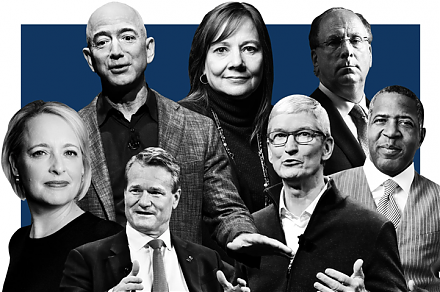
Artificial intelligence, 5G, and virtual reality can help transform global trade, finance, and technology. Core trade technological advances and disruptive
2018-12-22 14:38:00 Saturday ET
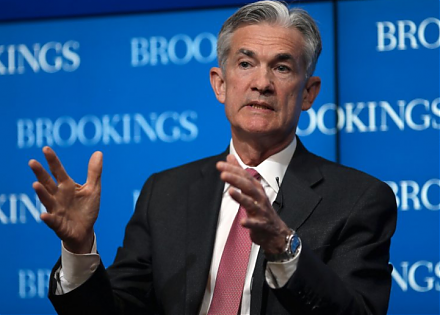
Federal Reserve raises the interest rate to the target range of 2.25% to 2.5% as of December 2018. Fed Chair Jerome Powell highlights the dovish interest ra
2019-08-16 17:37:00 Friday ET
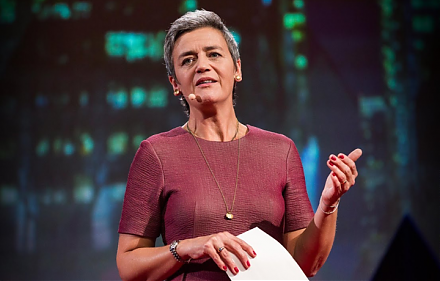
Amazon faces E.U. antitrust scrutiny over the current e-commerce use of merchant data. The European Commission probes into whether Amazon uses key third-par
2019-11-21 11:34:00 Thursday ET
Berkeley macro economist Brad DeLong sees no good reasons for an imminent economic recession with mass unemployment and even depression. The current U.S. ec
2018-10-09 08:40:00 Tuesday ET

The International Monetary Fund (IMF) appoints Harvard professor Gita Gopinath as its chief economist. Gopinath follows her PhD advisor and trailblazer Kenn
2018-06-25 12:43:00 Monday ET
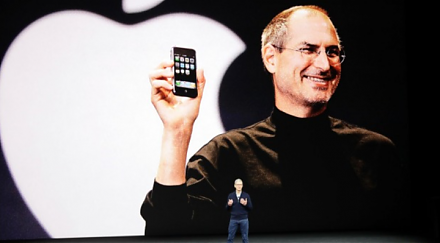
Apple and Samsung are the archrivals for the title of the world's top smart phone maker. The recent patent lawsuit settlement between Apple and Samsung