
2019-06-17 11:25:00 Mon ET
technology social safety nets education infrastructure health insurance health care medical care medication vaccine social security pension deposit insurance
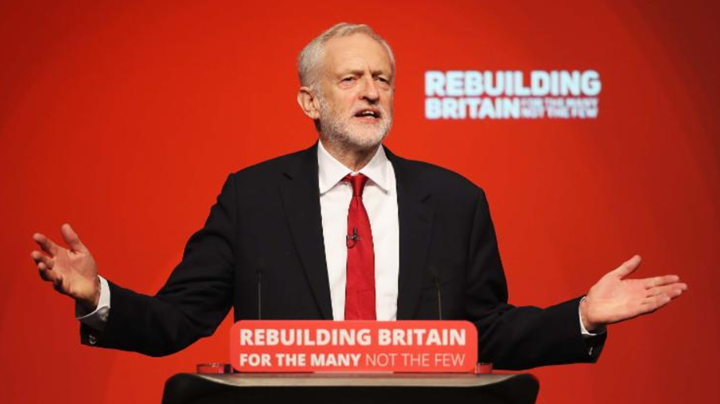
To secure better economic arrangements with European Union, Jeremy Corbyn encourages Labour legislators to back a second referendum on Brexit. In recent times, Theresa May has indicated her intention to resign as British Prime Minister, and the European election results shine light on a second referendum on Brexit. Nigel Farage, his Brexit Party, and Conservative Brexit supporters are likely to fight hard against Corbyn-led Labour legislators.
Labour Party now has a strategic advantage if Corbyn and his fellow MPs pivot in favor of a second Brexit referendum. As the European Union remains the largest trade bloc to Britain, Britons must reconsider the economic pros and cons of closer trade ties with the Eurozone. The Brexit withdrawal agreement may involve a gross amount of €100 billion. Net of some U.K. assets, the final bill would involve about €65 billion. The key withdrawal transfer funds can contribute to better British health care, welfare, infrastructure, taxation, and other aspects of public finance. However, Britons primarily use the British pound but not the Euro, thereby the U.K. has never been part of the E.U. monetary union. Many British millennials prefer to remain in the E.U. for closer trade ties and better economic arrangements.
If any of our AYA Analytica financial health memos (FHM), blog posts, ebooks, newsletters, and notifications etc, or any other form of online content curation, involves potential copyright concerns, please feel free to contact us at service@ayafintech.network so that we can remove relevant content in response to any such request within a reasonable time frame.
2018-01-15 07:35:00 Monday ET
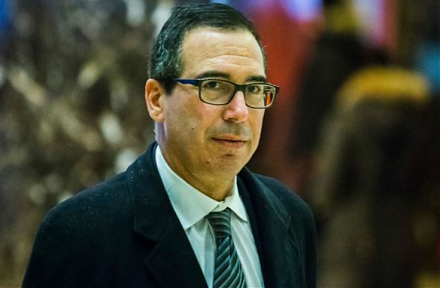
Treasury Secretary Steven Mnuchin welcomes a weak U.S. dollar amid pervasive fears of an open trade war between America and China. At the World Economic For
2017-10-21 08:45:00 Saturday ET
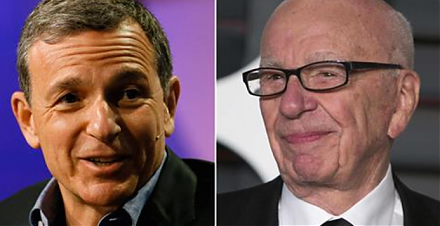
Netflix stares at higher content costs as Disney and Fox hold merger talks. Disney has held talks to acquire most of 21st Century Fox's business equity.
2019-01-12 10:33:00 Saturday ET
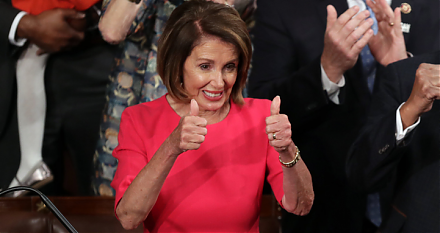
With majority control, House Democrats pass 2 bills to reopen the U.S. government without funding the Trump border wall. President Trump makes a surprise Wh
2018-04-11 09:37:00 Wednesday ET
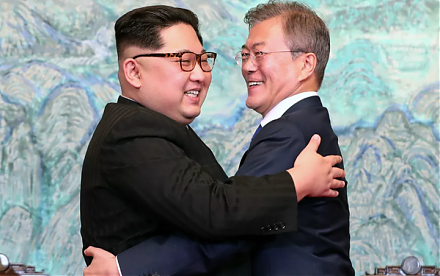
North Korean leader and president Kim Jong-Un seeks peaceful resolution and denuclearization on the Korean Peninsula. When *peace* comes to shove, Asia
2023-11-14 08:24:00 Tuesday ET
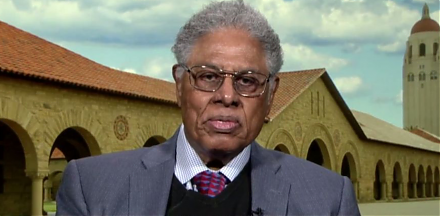
Thomas Sowell argues that some economic reforms inadvertently exacerbate economic disparities. Thomas Sowell (2019) Discrimination and econo
2019-08-09 18:35:00 Friday ET
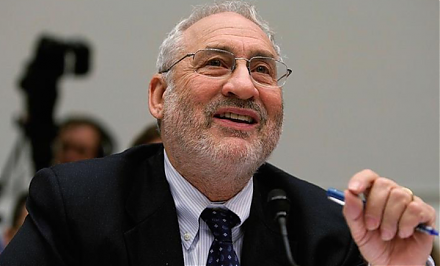
Nobel Laureate Joseph Stiglitz maintains that globalization only works for a few elite groups; whereas, the government should now reassert itself in terms o