
2019-07-15 16:37:00 Mon ET
technology antitrust competition bilateral trade free trade fair trade trade agreement trade surplus trade deficit multilateralism neoliberalism world trade organization regulation public utility current account compliance
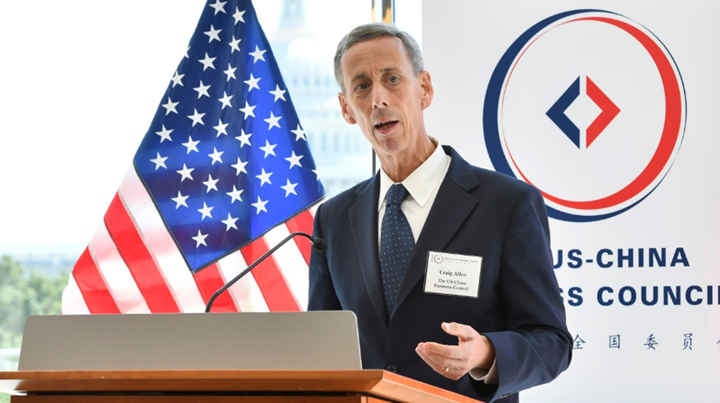
President of US-China Business Council Craig Allen states that a trade deal should be within reach if Trump and Xi show courage at G20. A landmark trade agreement between China and the U.S. should be attainable insofar as Presidents Trump and Xi have the courage to compromise on some particular aspects of the trade deal. This compromise can be difficult for both leaders, whereas, both sides signal the positive intent that Sino-U.S. trade negotiations should get back on track.
Allen indicates that setbacks are quite normal in most bilateral trade negotiations. Perhaps the China-U.S. trade envoys, Liu He and Robert Lighthizer, seem to agree to a major trade deal *in principle*. However, the legal details may not fully reflect mutual agreement for both presidential leaders. The Trump administration calls for significant bilateral trade deficit removal and better intellectual property protection and enforcement in China. Yet, the Chinese Xi administration expects all future fair trade practices to be realistic with reasonable product procurement, market access, and technology transfer etc. Respecting these fundamental interests can help both sides reach a tractable solution. In essence, Allen suggests that addressing these concerns helps China achieve sustainable economic growth in the long run.
If any of our AYA Analytica financial health memos (FHM), blog posts, ebooks, newsletters, and notifications etc, or any other form of online content curation, involves potential copyright concerns, please feel free to contact us at service@ayafintech.network so that we can remove relevant content in response to any such request within a reasonable time frame.
2019-09-05 09:26:00 Thursday ET
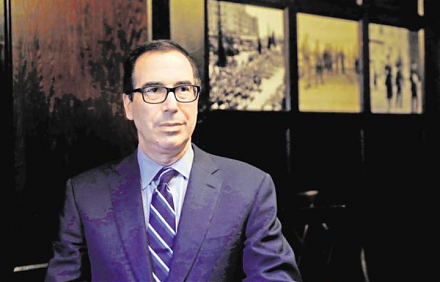
Yale macro economist Stephen Roach draws 3 major conclusions with respect to the Chinese long-run view of the current tech trade conflict with America. Firs
2018-12-09 08:44:00 Sunday ET
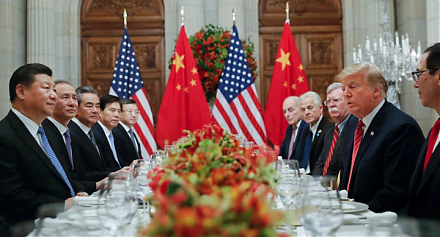
President Trump meets with Chinese President Xi again at the G20 summit in the city of Buenos Aires, Argentina, in late-November 2018. President Donald Trum
2018-03-25 08:39:00 Sunday ET
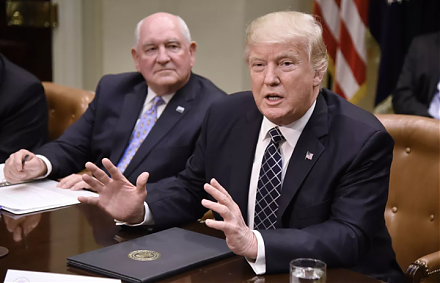
President Trump imposes punitive tariffs on $60 billion Chinese imports in a brand-new trade war as China hits back with retaliatory tariffs on $3 billion U
2024-05-05 10:31:00 Sunday ET

Stock Synopsis: Pharmaceutical post-pandemic patent development cycle In terms of stock market valuation, the major pharmaceutical sector remains at its
2019-08-28 14:46:00 Wednesday ET
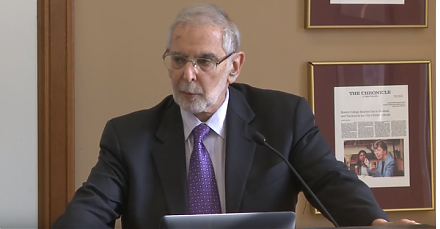
Santa-Barbara political economy professor Benjamin Cohen proposes new fiscal stimulus to complement the current low-interest-rate monetary policy. Cohen fin
2020-06-03 09:31:00 Wednesday ET
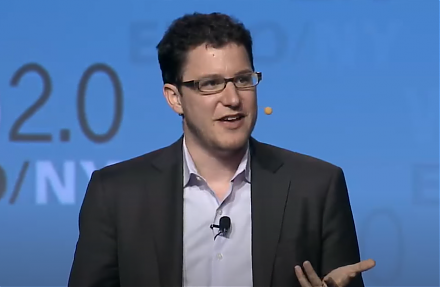
Lean enterprises often try to incubate disruptive innovations with iterative continuous improvements and inventions over time. Trevor Owens and Obie Fern