
2018-09-17 12:40:00 Mon ET
stock market gold oil stock return s&p 500 asset market stabilization asset price fluctuations stocks bonds currencies commodities funds term spreads credit spreads fair value spreads asset investments
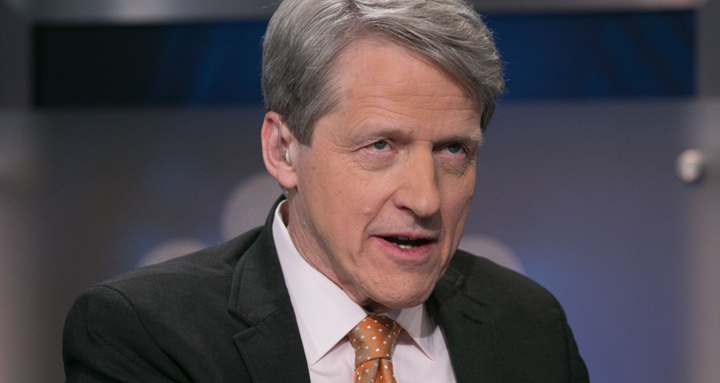
Nobel Laureate Robert Shiller's long-term stock market indicator points to a recent peak. His cyclically-adjusted P/E ratio (or CAPE) accounts for long-term corporate profitability and market valuation. CAPE has correctly helped anticipate the Black Monday 1987 stock market crash, the dotcom bubble collapse in the dawn of the new millennium, and the global financial crisis from 2008 to 2009.
As of September 2018, this metric gauges the U.S. stock market value at 33 times the average corporate income over the past decade. CAPE serves as a useful key economic indicator of U.S. stock market overvaluation at this stage of the business cycle. In fact, the current U.S. stock market capitalization well exceeds American real GDP economic output. It is often difficult to beat the market, whereas, it can be quite easy and imperative to save on capital income taxes and transaction costs.
Wharton finance professor Jeremy Siegel, however, disagrees with this simplistic CAPE analysis of U.S. stock market valuation. Even though U.S. stocks appear to be expensive, they remain good bargains in comparison with bonds in light of the small default risk premium. Relative valuation of stocks-versus-bonds continues to be favorable during the current Trump stock market rally in modern U.S. economic history.
If any of our AYA Analytica financial health memos (FHM), blog posts, ebooks, newsletters, and notifications etc, or any other form of online content curation, involves potential copyright concerns, please feel free to contact us at service@ayafintech.network so that we can remove relevant content in response to any such request within a reasonable time frame.
2020-10-27 07:43:00 Tuesday ET

Most agile lean enterprises often choose to cut costs strategically to make their respective business models fit for growth. Vinay Couto, John Plansky,
2018-09-30 14:34:00 Sunday ET
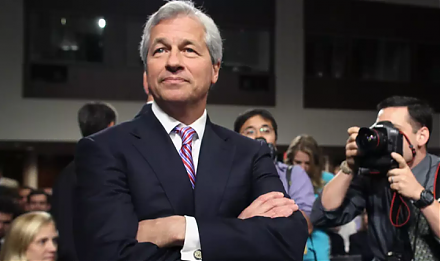
Goldman, JPMorgan, Bank of America, Credit Suisse, Morgan Stanley, and UBS face an antitrust lawsuit. In this lawsuit, a U.S. judge alleges the illegal cons
2017-01-23 09:30:00 Monday ET
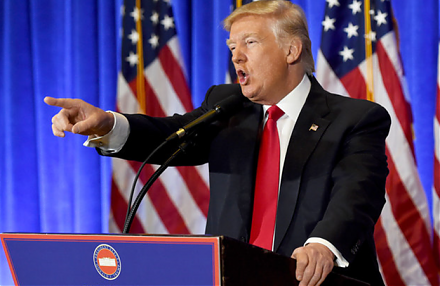
There are several highlights from the first news conference after Trump's presidential election victory: The Trump administration will repeal-and-
2019-04-17 11:34:00 Wednesday ET
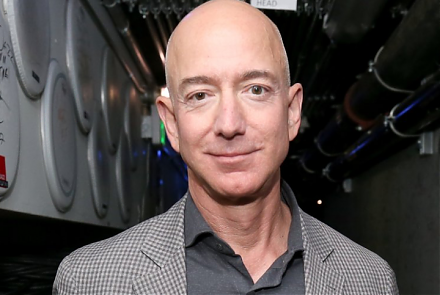
Amazon CEO Jeff Bezos admits the fact that antitrust scrutiny remains a primary imminent threat to his e-commerce business empire. In his annual letter to A
2018-04-05 07:42:00 Thursday ET

CNBC news anchor Becky Quick interviews Berkshire Hathaway's Warren Buffett in light of the recent stock market gyrations and movements. Warren Buffett
2017-06-15 07:32:00 Thursday ET
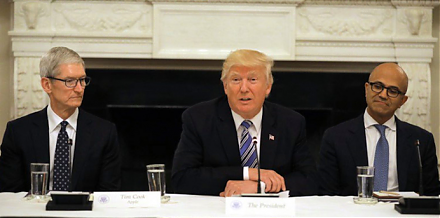
President Donald Trump has discussed with the CEOs of large multinational corporations such as Apple, Microsoft, Google, and Amazon. This discussion include