
2018-05-13 08:33:00 Sun ET
federal reserve monetary policy treasury dollar employment inflation interest rate exchange rate macrofinance recession systemic risk economic growth central bank fomc greenback forward guidance euro capital global financial cycle credit cycle yield curve
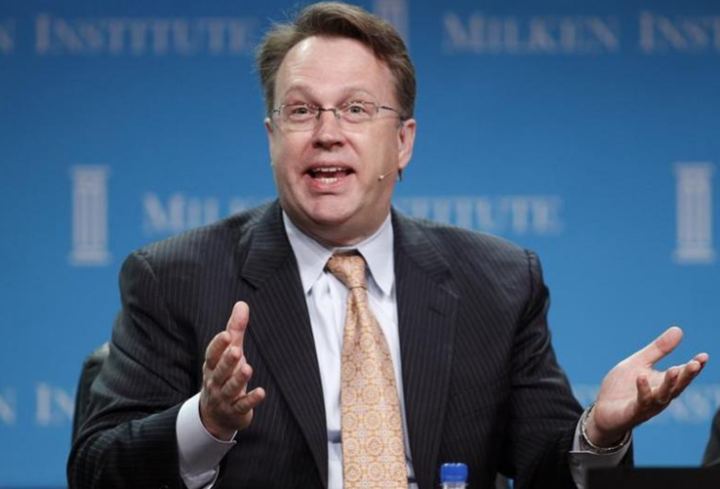
Incoming New York Fed President John Williams suggests that it is about time to end forward guidance in order to stop holding the financial market's hand. As the current president and chief research director of San Francisco Federal Reserve Bank, Williams expects U.S. inflation to rise to the central bank's 2% target in mid-2018. This inflation expectation resonates with the key consensus that most FOMC members share in the recent central bank forum. The inflation rate can stay above the 2% target for another couple of years even as the Federal Reserve continues the current interest rate hike toward late-2019. Also, Williams shares and echoes Fed Chair Jerome Powell's recent open statement that the Federal Reserve should complete the current course of forward guidance.
In fact, economic media commentators and stock market investors should focus on economic data such as real GDP economic growth, employment, wage growth, capital investment, and industrial production etc. It is thus futile for financial market observers to read into the FOMC minutes, narratives, and word choices etc for key clues about the U.S. macro economy. The FOMC minutes and linguistic analytics can be informative to some extent, whereas, only economic data drive monetary policy decisions.
If any of our AYA Analytica financial health memos (FHM), blog posts, ebooks, newsletters, and notifications etc, or any other form of online content curation, involves potential copyright concerns, please feel free to contact us at service@ayafintech.network so that we can remove relevant content in response to any such request within a reasonable time frame.
2018-08-19 10:34:00 Sunday ET

The World Economic Forum warns that artificial intelligence may destabilize the financial system. Artificial intelligence poses at least a trifecta of major
2018-11-27 10:37:00 Tuesday ET

Warren Buffett offloads a few stocks from the Berkshire Hathaway portfolio in mid-November 2018. The latest S.E.C. report shows that the Oracle of Omaha sol
2019-03-29 12:28:00 Friday ET
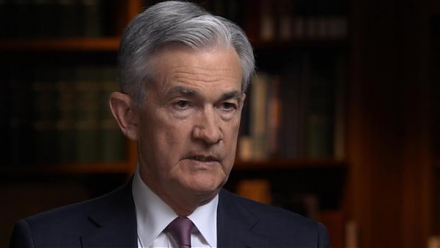
Federal Reserve Chair Jerome Powell answers CBS News 60 Minutes questions about the recent U.S. economic outlook and interest rate cycle. Powell views the c
2019-08-20 07:33:00 Tuesday ET

The recent British pound depreciation is a big Brexit barometer. Britain appoints former London mayor and Foreign Secretary Boris Johnson as the prime minis
2023-01-11 09:26:00 Wednesday ET
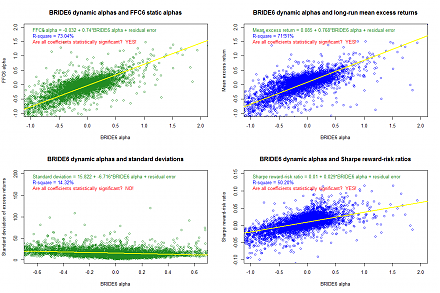
Addendum on USPTO fintech patent protection and accreditation As of early-January 2023, the U.S. Patent and Trademark Office (USPTO) has approved our U.S
2017-07-01 08:40:00 Saturday ET
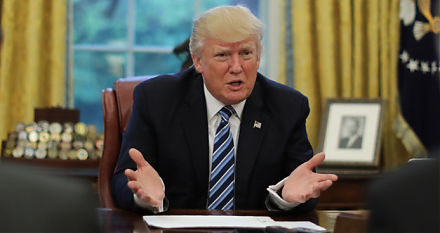
The Economist interviews President Donald Trump and spots the keyword *reciprocity* in many aspects of Trumponomics from trade and taxation to infrastructur