
2019-12-10 09:30:00 Tue ET
federal reserve monetary policy treasury dollar employment inflation interest rate exchange rate macrofinance recession systemic risk economic growth central bank fomc greenback forward guidance euro capital global financial cycle credit cycle yield curve
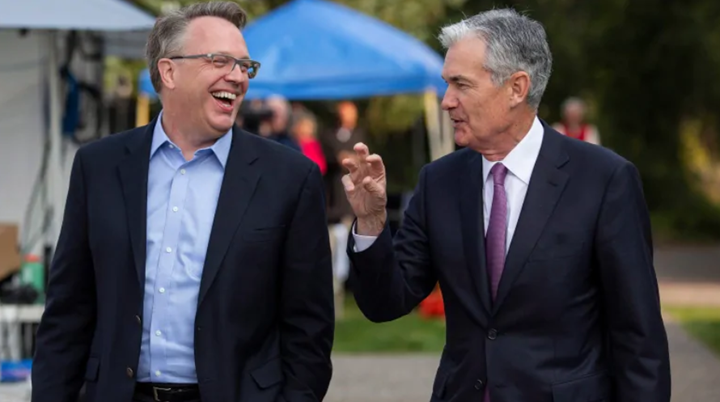
Federal Reserve institutes the third interest rate cut with a rare pause signal. The Federal Open Market Committee (FOMC) reduces the benchmark interest rate by 25 basis points to a reasonable range of 1.5% to 1.75% in accordance with Wall Street analyst forecasts. At this stage, Fed Chair Jerome Powell indicates that the central bank may pause key interest rate adjustments until early-2020 or even mid-2020. With some subtlety, Powell removes one clause in previous FOMC monetary policy statements since June 2019 that the Federal Reserve seeks to make dovish interest rate reductions to help sustain the current economic expansion.
Hawkish regional presidents Esther George of Kansas City and Eric Rosengren of Boston again vote against the third interest rate reduction. The FOMC continues to monitor the monetary policy implications of both new U.S. economic data and global trade risk retrenchment as FOMC members assess the appropriate path of the target range for the federal funds rate. The current U.S. monetary policy stance remains appropriate in the foreseeable future. Several financial economists warn that the recent trifecta of interest rate cuts means fewer monetary policy levers for Federal Reserve when the U.S. economy inadvertently enters the next recession.
If any of our AYA Analytica financial health memos (FHM), blog posts, ebooks, newsletters, and notifications etc, or any other form of online content curation, involves potential copyright concerns, please feel free to contact us at service@ayafintech.network so that we can remove relevant content in response to any such request within a reasonable time frame.
2019-11-26 11:30:00 Tuesday ET

AYA Analytica finbuzz podcast channel on YouTube November 2019 In this podcast, we discuss several topical issues as of November 2019: (1) The Trump adm
2020-06-24 09:32:00 Wednesday ET

Several business founders and entrepreneurs take low risks with high potential rewards to buck the conventional wisdom. Renee Martin and Don Martin (2010
2020-10-20 09:36:00 Tuesday ET

Agile lean enterprises remain flexible and capable of reinvention in light of new megatrends such as digitization and servitization. Shane Cragun and Kat
2018-10-27 09:34:00 Saturday ET

U.S. automobile and real estate sales decline despite higher consumer confidence and low unemployment as of October 2018. This slowdown arises from the curr
2018-05-01 11:38:00 Tuesday ET
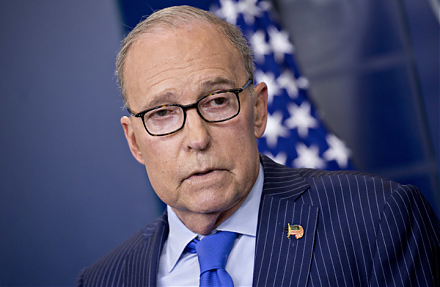
America and China play the game of chicken over trade and technology, whereas, most market observers and economic media commentators hope the Trump team to
2018-01-29 07:38:00 Monday ET
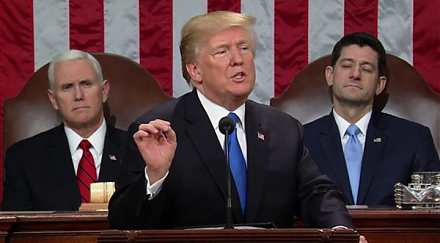
President Donald Trump delivers his first state-of-the-union address. Several key highlights touch on economic issues from fiscal stimulus and trade protect