
2018-10-27 09:34:00 Sat ET
stock market gold oil stock return s&p 500 asset market stabilization asset price fluctuations stocks bonds currencies commodities funds term spreads credit spreads fair value spreads asset investments

U.S. automobile and real estate sales decline despite higher consumer confidence and low unemployment as of October 2018. This slowdown arises from the current U.S. interest rate hike that helps wean the economy off near-zero rates. High costs of capital squeeze the automobile and real estate industries after the prior decade of monetary stimulus. The most expensive U.S. consumer purchases are cars and houses, and these consumer industries are quite sensitive to the cyclical ebbs and flows of credit supply expansion. Recent U.S. mortgage rates reach 5% for the first time since 2011, and thus new home sales tumble 5.5% in 2018Q3 to the lowest level in about 2 years.
Residential home sale declines are double-digits and quite severe in the northeast and west U.S. states. In light of higher mortgage rates and home prices, financial economists start to consider rental properties more cost-effective than residential home purchases. Meanwhile, most Case-Shiller home price indices begin to show the current trend that home price gains decelerate from March 2018 to September 2018. Wall Street seems to impose hefty penalties on automobile and real estate stocks. Many homebuilder ETFs such as XHB, TOL, and KBH have plunged about 30% year-to-date since January 2018. Also, several automobile stocks from Ford to GM show 25%+ price declines in the same time frame. The latter auto industry further suffers higher production costs due to Trump tariffs. These bearish traces suggest the inconvenient truth that the U.S. economy may have gone beyond the peak of real business cycles with low inflation and robust employment and capital investment growth.
If any of our AYA Analytica financial health memos (FHM), blog posts, ebooks, newsletters, and notifications etc, or any other form of online content curation, involves potential copyright concerns, please feel free to contact us at service@ayafintech.network so that we can remove relevant content in response to any such request within a reasonable time frame.
2018-06-06 09:39:00 Wednesday ET

Donald Trump and Kim Jong Un meet, talk, and shake hands in the historic peace summit between America and North Korea in Singapore. At the start of the bila
2019-02-21 12:37:00 Thursday ET

Apple shakes up senior leadership to initiate a new transition from iPhone revenue reliance to media and software services. These changes include the key pr
2018-06-17 10:35:00 Sunday ET

In the past decades, capital market liberalization and globalization have combined to connect global financial markets to allow an ocean of money to flow th
2018-05-29 11:40:00 Tuesday ET
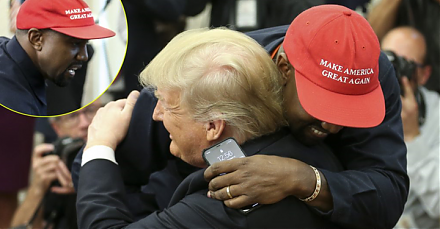
America and China, the modern world's most powerful nations may stumble into a **Thucydides trap** that Harvard professor and political scientist Graham
2018-07-30 11:36:00 Monday ET
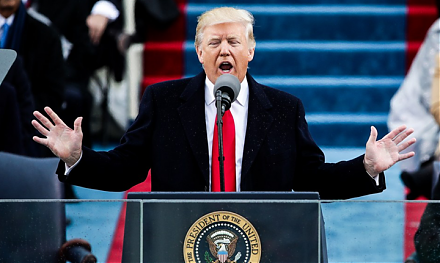
Trumpism may now become the new populist world order of economic governance. Populist support contributes to Trump's 2016 presidential election victory
2020-08-05 08:33:00 Wednesday ET

Business leaders often think from a systemic perspective, share bold visions, build great teams, and learn new business models. Peter Senge (2006) &nb