
2018-12-07 11:35:00 Fri ET
federal reserve monetary policy treasury dollar employment inflation interest rate exchange rate macrofinance recession systemic risk economic growth central bank fomc greenback forward guidance euro capital global financial cycle credit cycle yield curve
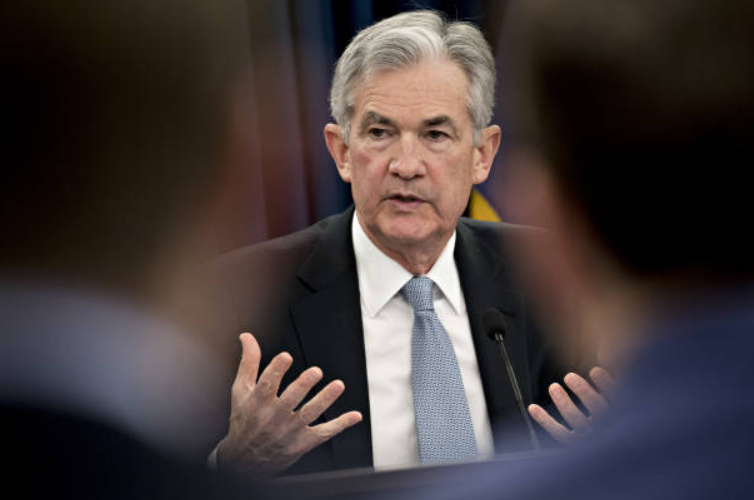
Fed Chair Jerome Powell hints slower interest rate increases because the current rate is just below the neutral threshold. NYSE and NASDAQ share prices rebound in response to the accommodative monetary policy moderation. Dow Jones surges about 600 points primarily due to this less hawkish stance. Wall Street expects the current interest rate hike to taper off. As a result, the U.S. dollar weakens a little bit relative to the major trade-weighted-average greenback index.
FOMC minutes reveal the high likelihood of another quarter-point increase in the federal funds rate in December 2018. However, some FOMC members propose removing the reference to *further gradual increases* in the target range insofar as the current stock market conditions persist. The federal funds rate might be near its neutral level so that some further rate hikes might inadvertently slow the current macroeconomic expansion and productivity growth. Within the target neutral range of interest rates, the U.S. economy operates with lower unemployment (3.7%) with minimal inflationary pressure (2%). Several FOMC members continue to express their deep concerns about Sino-U.S. tariff tension, corporate leverage, and public debt accumulation. The Trump team should exercise a fair bit of fiscal discipline in taxation and infrastructure with interim arrangements for Sino-American fair trade.
If any of our AYA Analytica financial health memos (FHM), blog posts, ebooks, newsletters, and notifications etc, or any other form of online content curation, involves potential copyright concerns, please feel free to contact us at service@ayafintech.network so that we can remove relevant content in response to any such request within a reasonable time frame.
2024-02-04 08:28:00 Sunday ET
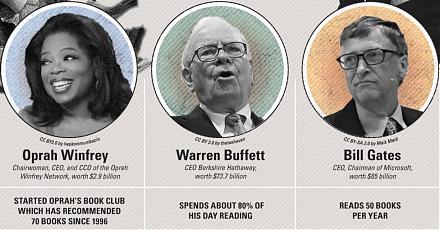
Our proprietary alpha investment model outperforms most stock market indexes from 2017 to 2024. Our proprietary alpha investment model outperforms the ma
2023-11-14 08:24:00 Tuesday ET
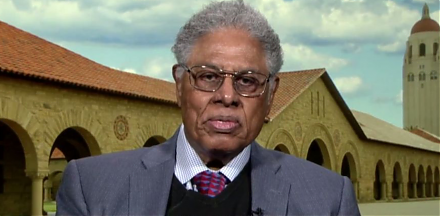
Thomas Sowell argues that some economic reforms inadvertently exacerbate economic disparities. Thomas Sowell (2019) Discrimination and econo
2018-09-29 12:39:00 Saturday ET

The Securities and Exchange Commission (S.E.C.) sues Elon Musk for his August 2018 tweet that he has secured external finance to convert Tesla into a privat
2022-02-05 09:26:00 Saturday ET

Modern themes and insights in behavioral finance Shiller, R.J. (2003). From efficient markets theory to behavioral finance. Journal of Economi
2023-09-07 11:30:00 Thursday ET

Michael Woodford provides the theoretical foundations of monetary policy rules in ever more efficient financial markets. Michael Woodford (2003)
2023-05-31 11:27:00 Wednesday ET

What are the top global risks in trade, finance, and technology? In this macro report, we focus on the current global risks from inflation and growth con