
2018-03-17 09:35:00 Sat ET
technology antitrust competition bilateral trade free trade fair trade trade agreement trade surplus trade deficit multilateralism neoliberalism world trade organization regulation public utility current account compliance
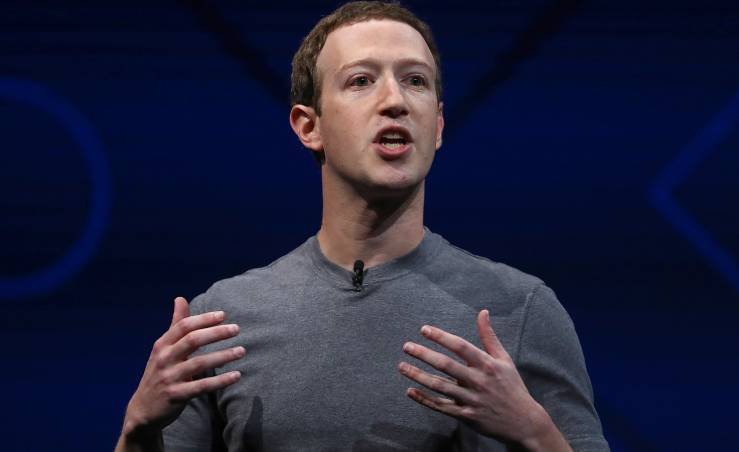
Facebook faces a major data breach by Cambridge Analytica that has harvested private information from more than 50 million Facebook users. In a Facebook post, Mark Zuckerberg outlines the next steps that the company would take to enhance the artificial-intelligence-driven user data and privacy protection.
Zuckerberg reiterates that he is sorry for Facebook's involvement in the Cambridge Analytica data breach of trust. Zuckerberg further concedes that Facebook would be open to key government regulation. Prior precedence suggests some plausible regulatory actions against Facebook. First, Facebook would be viewed as a social media publisher that must be subject to telecommunication rules for online content circulation. Second, Facebook might have to break up its core franchises such as social media posts, digital advertisements, games, data solutions, and online user connections etc. In recent times, both American and European regulators demand Facebook CEO Mark Zuckerberg and his delegate to testify before Congress. The unforeseen events may adversely affect Facebook's primary performance metrics from active member usage to average revenue per unit (ARPU). Also, Facebook ads would become less effective with higher average costs, and small-to-medium business enterprises may suffer as a result. Due to this fundamental recalibration, Facebook's share price performance may exhibit negative volatile fluctuations in the next few months.
If any of our AYA Analytica financial health memos (FHM), blog posts, ebooks, newsletters, and notifications etc, or any other form of online content curation, involves potential copyright concerns, please feel free to contact us at service@ayafintech.network so that we can remove relevant content in response to any such request within a reasonable time frame.
2018-10-19 13:37:00 Friday ET

PayPal earns great fintech reputation from its massive worldwide network of 250+ million active users. As PayPal beats the revenue and profit expectations o
2023-06-28 09:29:00 Wednesday ET

Carmen Reinhart and Kenneth Rogoff delve into several centuries of cross-country crisis data to find the key root causes of financial crises for asset marke
2020-03-05 08:28:00 Thursday ET
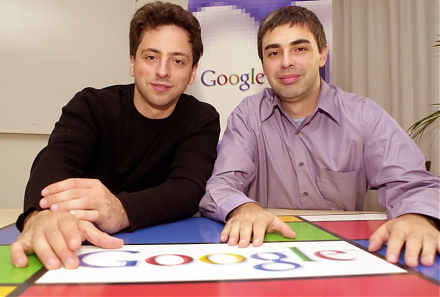
The Stanford computer science overlords Larry Page and Sergey Brin design and develop Google as an Internet search company. Janet Lowe (2009) Google s
2025-09-18 08:03:32 Thursday ET

Stock Synopsis: With a new Python program, we use, adapt, apply, and leverage each of the mainstream Gemini Gen AI models to conduct this comprehensive fund
2023-03-21 11:28:00 Tuesday ET

Barry Eichengreen compares the Great Depression of the 1930s and the Great Recession as historical episodes of economic woes. Barry Eichengreen (2016)
2017-12-13 06:39:00 Wednesday ET
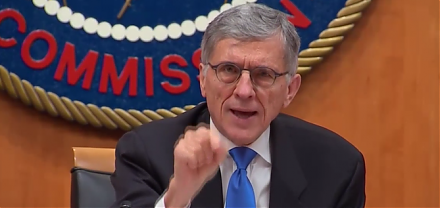
The Federal Communications Commission (FCC) has decided its majority vote to dismantle rules and regulations of most Internet service providers (ISPs) that