
2019-02-11 09:37:00 Mon ET
stock market gold oil stock return s&p 500 asset market stabilization asset price fluctuations stocks bonds currencies commodities funds term spreads credit spreads fair value spreads asset investments

Corporate America uses Trump tax cuts and offshore cash stockpiles primarily to fund share repurchases for better stock market valuation. Share repurchases are a ubiquitous payout practice where public corporations buy back their own shares to return excess capital to shareholders. Share buybacks boost stock demand and so artificially inflate EPS concentration.
American public corporations initiate $1 trillion share repurchases in the fiscal year of 2018-2019. In contrast, business investments and job opportunities decelerate as a result. Rather than spending billions on share repurchases, U.S. corporations would help society more by reinvesting in profitable projects, plants, and high-skill human resources etc. For instance, Apple spends more than $30 billion on share repurchases in the fiscal year of 2018-2019. Apple also plans to pay $38 billion in taxes on offshore cash repatriation with 20,000 new jobs and $30 billion domestic capital investments in the next 5 years.
Several economic experts suggest that share repurchases disproportionately help the rich because the top 10% income earners own about 80% of U.S. stocks. This negative feedback loop self-perpetuates and exacerbates both income and wealth inequality as the rich reap rewards on their stock market bets to the detriment of the middle class.
If any of our AYA Analytica financial health memos (FHM), blog posts, ebooks, newsletters, and notifications etc, or any other form of online content curation, involves potential copyright concerns, please feel free to contact us at service@ayafintech.network so that we can remove relevant content in response to any such request within a reasonable time frame.
2018-05-19 09:29:00 Saturday ET
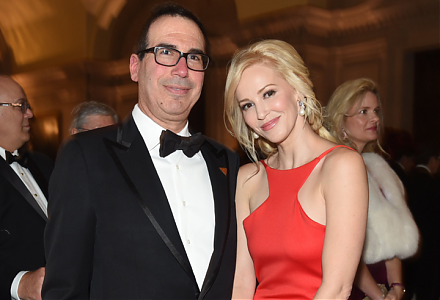
Treasury Secretary Steve Mnuchin indicates that the Trump team puts the trade war with China on hold. The interim suspension of U.S. tariffs should offer in
2017-12-17 11:41:00 Sunday ET
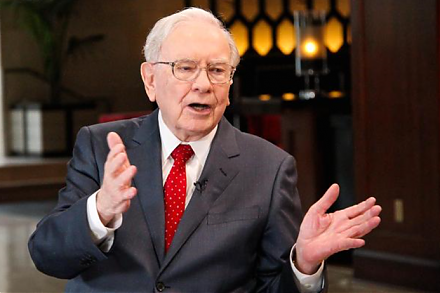
Warren Buffett points out that it is important to invest in oneself. Learning about oneself empowers him or her to lead a meaningful life. This valuable inv
2017-10-03 18:39:00 Tuesday ET
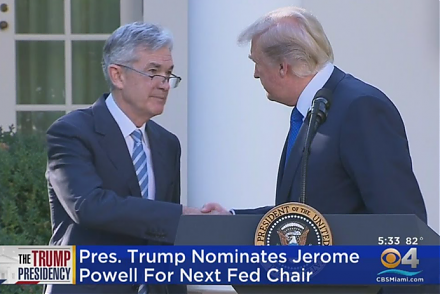
President Trump has nominated Jerome Powell to run the Federal Reserve once Fed Chair Janet Yellen's current term expires in February 2018. Trump's
2019-12-16 11:37:00 Monday ET

America and China cannot decouple decades of long-term collaboration in trade, finance, and technology. In recent times, some economists claim that China ma
2017-11-19 08:37:00 Sunday ET
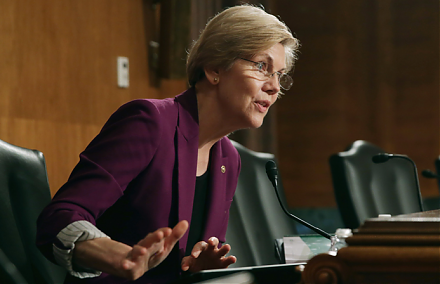
In 2000, a former law professor at Harvard proposed establishing the Financial Product Safety Commission in order to protect consumer rights in the provisio
2018-06-09 16:40:00 Saturday ET
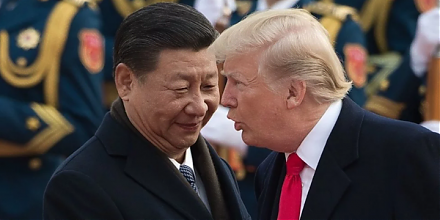
The Trump administration introduces new tariffs on $50 billion Chinese goods amid the persistent bilateral trade dispute. The tariffs effectively boost cost