
2019-01-01 03:34:48 Tue ET
technology antitrust competition bilateral trade free trade fair trade trade agreement trade surplus trade deficit multilateralism neoliberalism world trade organization regulation public utility current account compliance
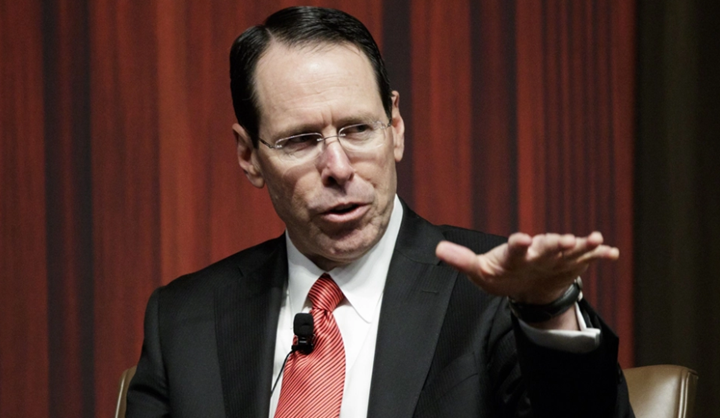
American allies assist AT&T and Verizon in implementing 5G telecommunication technology in the U.S. as such allies ban the use of HuaWei 5G telecom equipment. This assistance arises as an equilibrium outcome several weeks after the arrest of HuaWei CFO in Canada amid a key U.S. probe into whether the Chinese tech titan violates U.S. economic sanctions on Iran. The U.S. federal government undertakes multiple measures to curb the influence of HuaWei and its fellow Chinese telecom firm ZTE. These measures ban the HuaWei and ZTE sales of 5G mobile devices on U.S. military bases. During the current 90-day trade truce with China, the Trump administration remains adamant about maintaining key American dominance in 5G telecommunication (which is at least 10 times faster than the 4G telecom standard).
National Economic Council chief economic advisor Larry Kudlow emphasizes the fact that 5G telecommunication technology is the top priority for national economic security. These landmark events echo the recent Trump bans on the cross-border merger between Qualcomm and Broadcom as well as Chinese HuaWei and ZTE acquisitions of critical technologies in Silicon Valley. Apple and Samsung may or may not introduce their 5G smartphones and tablets until 5G telecom proliferation reaches a critical mass before mid-2020.
If any of our AYA Analytica financial health memos (FHM), blog posts, ebooks, newsletters, and notifications etc, or any other form of online content curation, involves potential copyright concerns, please feel free to contact us at service@ayafintech.network so that we can remove relevant content in response to any such request within a reasonable time frame.
2022-03-25 09:34:00 Friday ET

Corporate cash management The empirical corporate finance literature suggests four primary motives for firms to hold cash. These motives include the tra
2019-09-05 09:26:00 Thursday ET
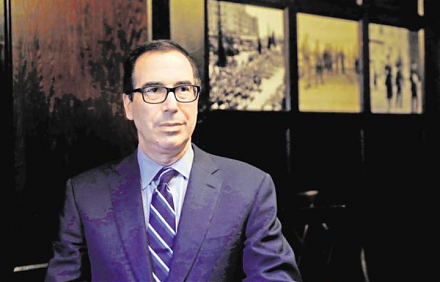
Yale macro economist Stephen Roach draws 3 major conclusions with respect to the Chinese long-run view of the current tech trade conflict with America. Firs
2023-11-28 11:35:00 Tuesday ET

David Colander and Craig Freedman argue that economics went wrong when there was no neoclassical firewall between economic theories and policy reforms. D
2026-10-31 12:38:00 Saturday ET

Today tech titans and billionaires continue to reshape global pharmaceutical investments for both better healthspan and longer lifespan. We discuss, desc
2018-05-15 08:40:00 Tuesday ET
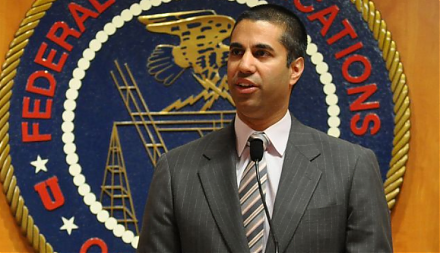
Net neutrality rules continue to revolve around the Trump administration's current IT agenda of 5G telecom transformation. Republican Senate passes the
2018-08-29 10:37:00 Wednesday ET
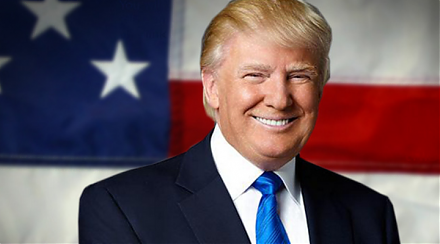
In an exclusive interview with Bloomberg, President Trump criticizes the World Trade Organization (WTO), proposes indexing capital gains taxes to inflation