
2019-06-21 13:33:00 Fri ET
technology antitrust competition bilateral trade free trade fair trade trade agreement trade surplus trade deficit multilateralism neoliberalism world trade organization regulation public utility current account compliance
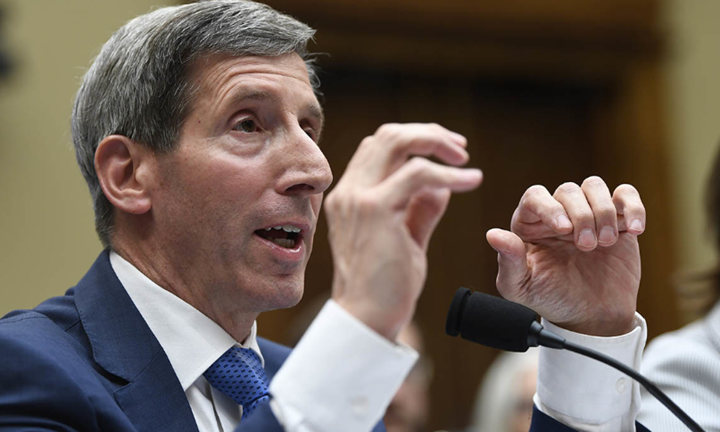
Amazon and Google face more intense antitrust scrutiny. In recent times, Justice Department and Federal Trade Commission have reached an internal agreement to conduct independent investigations into these tech titans. Justice Department takes responsibility for Google antitrust matters, and Federal Trade Commission handles Amazon in light of potential consumer harm.
This internal agreement presages intense antitrust scrutiny. Google already faces antitrust fines in Europe due to the E.U. charges that the online search algorithms favor Google-driven software products. U.S. antitrust law focuses on the broader notion of consumer protection; however, smart algorithms help constrain Amazon retail price hikes. Federal Trade Commission conveys concern and suspicion that the sheer size and market power of Amazon may induce anti-competitive effects.
Limiting the market power of tech titans may be one of the few policy domains where Republicans and Democrats find common cause. Democratic presidential candidates such as Joe Biden, Bernie Sanders, and Elizabeth Warren call for greater antitrust scrutiny on the campaign trail. Also, President Trump and other Republicans accuse Amazon and Google of political bias. Justice Department and Federal Trade Commission either stimulate more competition in e-commerce and Internet search, or the regulatory agencies may consider breaking up Amazon and Google.
If any of our AYA Analytica financial health memos (FHM), blog posts, ebooks, newsletters, and notifications etc, or any other form of online content curation, involves potential copyright concerns, please feel free to contact us at service@ayafintech.network so that we can remove relevant content in response to any such request within a reasonable time frame.
2018-05-07 07:32:00 Monday ET
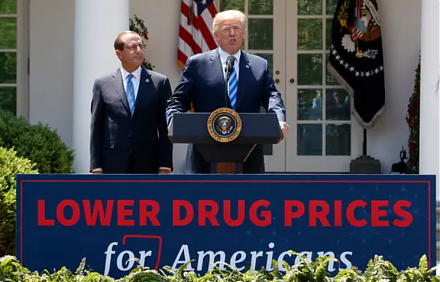
President Trump seeks to honor his campaign promise of lower U.S. medical costs by forcing higher big-pharma prices in foreign countries such as Canada, Bri
2019-01-08 17:46:00 Tuesday ET
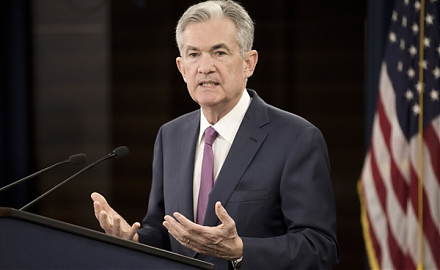
President Trump forces the Federal Reserve to normalize the current interest rate hike to signal its own monetary policy independence from the White House.
2019-08-06 07:28:00 Tuesday ET
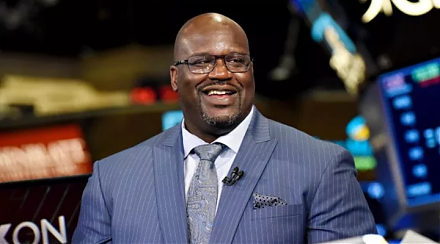
Former basketball star Shaq O'Neal has almost quadrupled his net worth once he learns and applies an ingenious investment strategy from Amazon Founder J
2020-07-12 08:30:00 Sunday ET
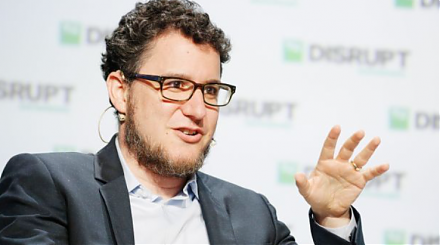
The lean CEO encourages iterative continuous improvements and collaborative teams to innovate around core value streams. Jacob Stoller (2015)
2023-05-21 12:26:00 Sunday ET

Amy Chua and Jed Rubenfeld suggest that relatively successful ethnic groups exhibit common cultural traits in America. Amy Chua and Jed Rubenfeld (2015)
2019-10-21 10:35:00 Monday ET
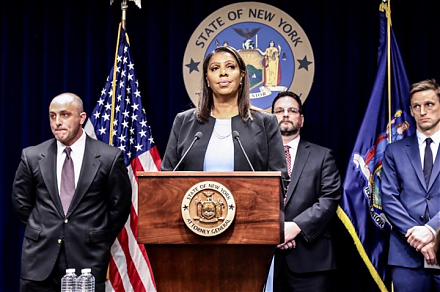
American state attorneys general begin bipartisan antitrust investigations into the market power and corporate behavior of central tech titans such as Apple