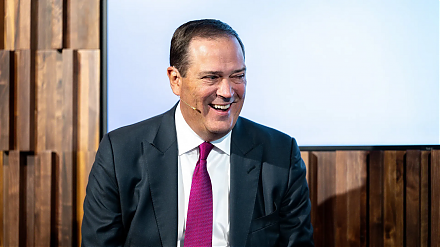
Vertiv Holdings LLC Class A Common Stock (NYSE:VRT)

Real-time price: | Most recent change:0.00%

Vertiv Holdings Co provides digital infrastructure and continuity solutions. It offers hardware, software, analytics and ongoing services. Vertiv Holdings Co, formerly known as GS Acquisition Holdings Corp, is headquartered in Columbus, Ohio....

+See More


Here we provide our AYA proprietary alpha stock signals for all premium members on our AYA fintech network platform. Specifically, a high Fama-French multi-factor dynamic conditional alpha suggests that the stock is likely to consistently outperform the broader stock market benchmarks such as S&P 500, Dow Jones, Nasdaq, Russell 3000, MSCI USA, and MSCI World etc. Since March 2023, our proprietary alpha stock signals retain U.S. Patent and Trademark Office (USPTO) fintech patent protection, approval, and accreditation for 20 years. Our homepage and blog articles provide more details on this proprietary alpha stock market investment model with robust long-term historical backtest evidence.

Sharpe-Lintner-Black CAPM alpha (Premium Members Only) Fama-French (1993) 3-factor alpha (Premium Members Only) Fama-French-Carhart 4-factor alpha (Premium Members Only) Fama-French (2015) 5-factor alpha (Premium Members Only) Fama-French-Carhart 6-factor alpha (Premium Members Only) Dynamic conditional 6-factor alpha (Premium Members Only) Last update: Saturday 22 August 2026

Blog+More

Stock Synopsis: With a new Python program, we use, adapt, apply, and leverage each of the mainstream Gemini Gen AI models to conduct this comprehensive fundamental analysis of Meta Platforms (U.S. stock symbol: $META).

Daisy Harvey

2025-09-21 12:32:00 Sunday ET

Stock Synopsis: With a new Python program, we use, adapt, apply, and leverage each of the mainstream Gemini Gen AI models to conduct this comprehensive fundamental analysis of Meta Platforms (U.S. stock symbol: $META).

Stock Synopsis: With a new Python program, we use, adapt, apply, and leverage each of the mainstream Gemini Gen AI models to conduct this comprehensive fund

+See More

Federal Reserve raises the interest rate to the target range of 2.25% to 2.5% as of December 2018.

Charlene Vos

2018-12-22 14:38:00 Saturday ET

Federal Reserve raises the interest rate to the target range of 2.25% to 2.5% as of December 2018.

Federal Reserve raises the interest rate to the target range of 2.25% to 2.5% as of December 2018. Fed Chair Jerome Powell highlights the dovish interest ra

+See More

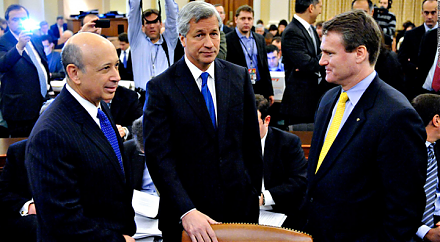
All of the 18 systemically important banks pass the annual Federal Reserve stress tests.

James Campbell

2019-07-30 15:33:00 Tuesday ET

All of the 18 systemically important banks pass the annual Federal Reserve stress tests.

All of the 18 systemically important banks pass the annual Federal Reserve stress tests. Many of the largest lenders announce higher cash payouts to shareho

+See More

Business leaders often think from a systemic perspective, share bold visions, build great teams, and learn new business models.

Becky Berkman

2020-08-05 08:33:00 Wednesday ET

Business leaders often think from a systemic perspective, share bold visions, build great teams, and learn new business models.

Business leaders often think from a systemic perspective, share bold visions, build great teams, and learn new business models. Peter Senge (2006) &nb

+See More

AYA Analytica podcast provides fresh insights into the latest stock market news, economic trends, and investment portfolio strategies.

Amy Hamilton

2019-04-30 19:46:00 Tuesday ET

AYA Analytica podcast provides fresh insights into the latest stock market news, economic trends, and investment portfolio strategies.

AYA Analytica finbuzz podcast channel on YouTube April 2019 In this podcast, we discuss several topical issues as of April 2019: (1) Our proprietary

+See More

U.S. bank oligarchy has become bigger and more resistant to public regulation after the global financial crisis.

Laura Hermes

2020-02-19 14:35:00 Wednesday ET

U.S. bank oligarchy has become bigger and more resistant to public regulation after the global financial crisis.

The U.S. bank oligarchy has become bigger, more profitable, and more resistant to public regulation after the global financial crisis. Simon Johnson and

+See More