
AT&T Inc. is the second largest wireless service provider in North America and one of the world's leading communications service carriers. Through its subsidiaries and affiliates, the company offers a wide range of communication and business solutions that include wireless, local exchange, long-distance, data/broadband and Internet, video, managed networking, wholesale and cloud-based services. With assets like HBO, CNN and TNT, AT&T's acquisition of Time Warner has created new kinds of online videos and opened up avenues for targeted advertisements. The company is also focusing on streaming services with AT&T TV and HBO Max. This is likely to create other avenues to monetize content as it expands 5G coverage across the country....
+See MoreSharpe-Lintner-Black CAPM alpha (Premium Members Only) Fama-French (1993) 3-factor alpha (Premium Members Only) Fama-French-Carhart 4-factor alpha (Premium Members Only) Fama-French (2015) 5-factor alpha (Premium Members Only) Fama-French-Carhart 6-factor alpha (Premium Members Only) Dynamic conditional 6-factor alpha (Premium Members Only) Last update: Saturday 17 October 2026
2025-10-08 11:34:00 Wednesday ET

Stock Synopsis: With a new Python program, we use, adapt, apply, and leverage each of the mainstream Gemini Gen AI models to conduct this comprehensive fund
2025-09-28 10:10:51 Sunday ET
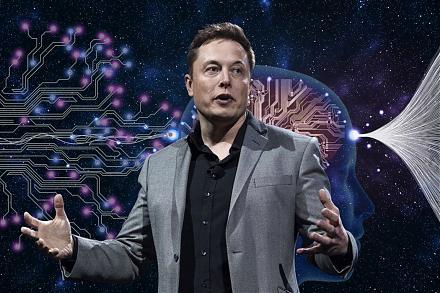
Stock Synopsis: With a new Python program, we use, adapt, apply, and leverage each of the mainstream Gemini Gen AI models to conduct this comprehensive fund
2022-11-15 10:30:00 Tuesday ET

Stock market misvaluation and corporate investment payout The behavioral catering theory suggests that stock market misvaluation can have a first-order
2023-07-07 10:29:00 Friday ET
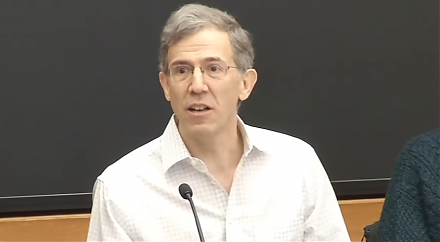
Louis Kaplow strives to find a delicate balance between efficiency gains and redistributive taxes in the social welfare function. Louis Kaplow (2010)
2025-10-03 10:31:00 Friday ET

Stock Synopsis: With a new Python program, we use, adapt, apply, and leverage each of the mainstream Gemini Gen AI models to conduct this comprehensive fund
2018-07-17 08:35:00 Tuesday ET
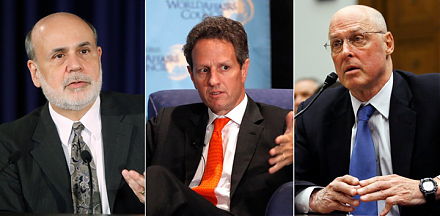
Henry Paulson and Timothy Geithner (former Treasury heads) and Ben Bernanke (former Fed chairman) warn that people seem to have forgotten the lessons of the
 Reports
 Metrics
 Events
 AI Stock Synopses