
Qualcomm is a fabless semiconductor company. Its primary division, QTI (Qualcomm Technologies, Inc.) designs high-performance, low-power chip designs for mobile devices, PCs, XR, automotive, embedded, wearable, robotics, connectivity, and AI use cases. Qualcomm's brands include Snapdragon systems-on-chip, FastConnect Wi-Fi and Bluetooth systems, and Qualcomm-branded 5G, 4G, and IOT equipment. The company is currently pursuing the integration of on-device generative AI into all of its product lines. Qualcomm's licensing division, QTL (Qualcomm Technology Licensing) manages the company's large intellectual property portfolio, which includes key patents involved in 3G, 4G, 5G and other technologies....
+See MoreSharpe-Lintner-Black CAPM alpha (Premium Members Only) Fama-French (1993) 3-factor alpha (Premium Members Only) Fama-French-Carhart 4-factor alpha (Premium Members Only) Fama-French (2015) 5-factor alpha (Premium Members Only) Fama-French-Carhart 6-factor alpha (Premium Members Only) Dynamic conditional 6-factor alpha (Premium Members Only) Last update: Saturday 17 October 2026
2019-04-07 13:39:00 Sunday ET

CNBC news anchor Becky Quick interviews Warren Buffett in early-2019. Buffett explains the fact that book value fluctuations are a metric that has lost rele
2017-12-01 06:30:00 Friday ET
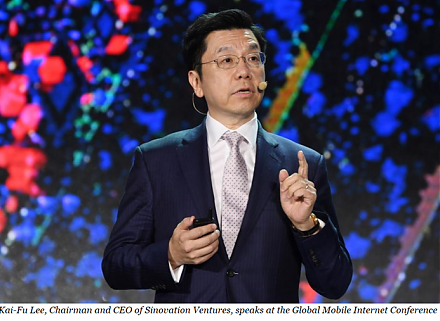
Dr Kai-Fu Lee praises China as the next epicenter of artificial intelligence, smart data analysis, and robotic automation. With prior IT careers at Apple, M
2019-10-19 16:35:00 Saturday ET

European economic integration seems to have gone backwards primarily due to the recent Brexit movement. Brexit, key European sovereign debt, and French and
2019-07-13 07:17:00 Saturday ET
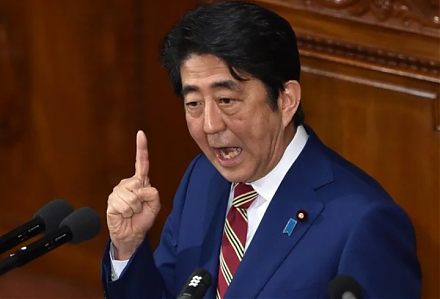
Japanese prime minister Shinzo Abe outlines the main economic priorities for the G20 summit in Osaka, Japan. First, Asian countries need to forge the key Re
2020-02-05 10:28:00 Wednesday ET
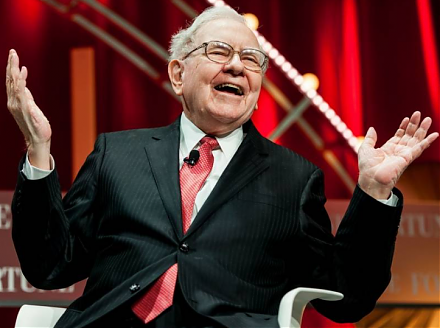
Our proprietary AYA fintech finbuzz essay shines light on the modern collection of business insights with executive annotations and personal reflections. Th
2019-08-05 13:30:00 Monday ET

China continues to sell U.S. Treasury bonds amid Sino-U.S. trade truce uncertainty. In mid-2019, China reduces its U.S. Treasury bond positions by $20.5 bil
 Reports
 Metrics
 Events
 AI Stock Synopses