Pinterest provides a platform to show its users (called Pinners) visual recommendations (called Pins) based on their personal taste and interests. Users then save and organize these recommendations into collections (called Boards). Pinterest generates revenues by delivering ads on its website and mobile application. The company is helping advertisers reach millennials and Gen Z audience who are more active on immersive mobile platforms. The company recognizes revenues only after transferring control of promised goods or services to customers. This happens when a user clicks on an ad contracted on a cost per click (CPC) basis, views an ad contracted on a cost per thousand impressions (CPM) basis or views a video ad contracted on a cost per view (CPV) basis....
+See MoreSharpe-Lintner-Black CAPM alpha (Premium Members Only) Fama-French (1993) 3-factor alpha (Premium Members Only) Fama-French-Carhart 4-factor alpha (Premium Members Only) Fama-French (2015) 5-factor alpha (Premium Members Only) Fama-French-Carhart 6-factor alpha (Premium Members Only) Dynamic conditional 6-factor alpha (Premium Members Only) Last update: Saturday 17 October 2026
2025-10-13 12:32:00 Monday ET
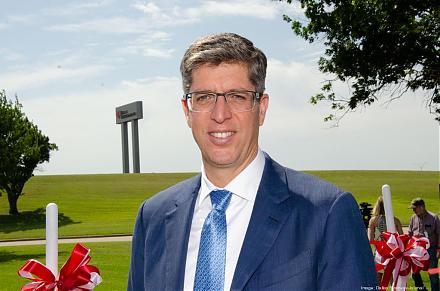
Stock Synopsis: With a new Python program, we use, adapt, apply, and leverage each of the mainstream Gemini Gen AI models to conduct this comprehensive fund
2017-04-25 06:35:00 Tuesday ET
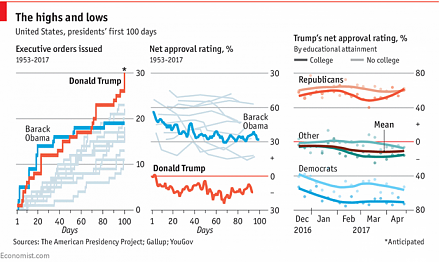
This nice and clear infographic visualization helps us better decipher the main memes and themes of President Donald Trump's first 100 days in office.
2019-04-23 19:45:00 Tuesday ET

Income and wealth concentration follows the ebbs and flows of the business cycle in America. Economic inequality not only grows among people, but it also gr
2019-03-09 12:43:00 Saturday ET

Pinterest files a $12 billion IPO due in mid-2019. This tech unicorn allows users to pin-and-browse images through its social media app and website. Pintere
2018-07-23 07:41:00 Monday ET
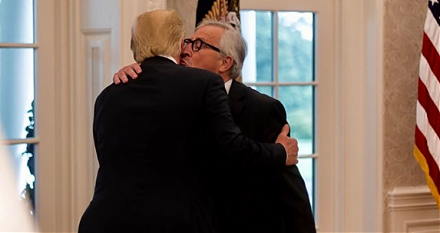
President Trump now agrees to cease fire in the trade conflict with the European Union. Both sides can work together towards *zero tariffs, zero non-tariff
2023-01-09 10:31:00 Monday ET
Response to USPTO fintech patent protection As of early-January 2023, the U.S. Patent and Trademark Office (USPTO) has approved our U.S. utility patent
 Reports
 Metrics
 Events
 AI Stock Synopses