
JD.com, Inc. operates as an online direct sales company in China. The Company, through its Website www.jd.com and mobile applications offers a selection of authentic products. It offers computers; mobile handsets and other digital products, home appliances; automobile accessories; clothing and shoes; luxury goods including handbags, watches and jewelry, furniture and household products; cosmetics and other personal care items; food and nutritional supplements; books, e-books, music, movies and other media products; mother and childcare products; toys, sports and fitness equipment; and virtual goods. JD.com, Inc. is based in Beijing, China....
+See MoreSharpe-Lintner-Black CAPM alpha (Premium Members Only) Fama-French (1993) 3-factor alpha (Premium Members Only) Fama-French-Carhart 4-factor alpha (Premium Members Only) Fama-French (2015) 5-factor alpha (Premium Members Only) Fama-French-Carhart 6-factor alpha (Premium Members Only) Dynamic conditional 6-factor alpha (Premium Members Only) Last update: Saturday 17 October 2026
2018-11-15 12:35:00 Thursday ET

Warren Buffett approves Berkshire Hathaway to implement new meaningful stock repurchases. Buffett sends a positive signal to the stock market with the Berks
2019-02-05 10:32:00 Tuesday ET
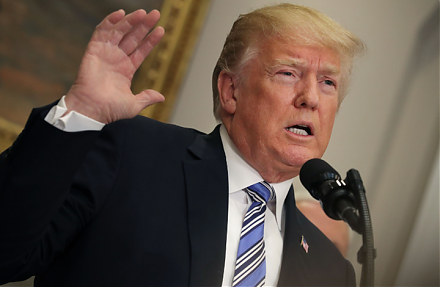
President Trump remains optimistic about the Sino-American trade war resolution of both trade deficit eradication and tech transfer enforcement. Trump now s
2022-10-05 08:24:00 Wednesday ET

Precautionary-motive and agency reasons for corporate cash management Bates, Kahle, and Stulz (JF 2009) empirically find that public firms have doubled t
2017-08-01 09:40:00 Tuesday ET
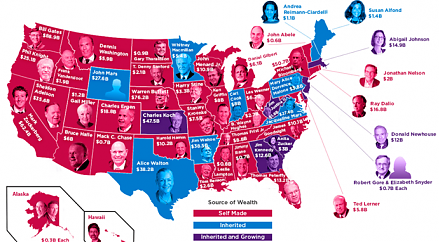
In American states, all of the Top 4 richest people are self-made billionaires: Bill Gates in Washington, Warren Buffett in Nebraska, Michael Bloomberg in N
2018-10-25 10:36:00 Thursday ET
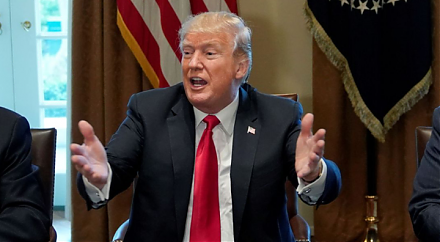
Trump tariffs begin to bite U.S. corporate profits from Ford and Harley-Davidson to Caterpillar and Walmart etc. U.S. corporate profit growth remains high a
2018-04-05 07:42:00 Thursday ET
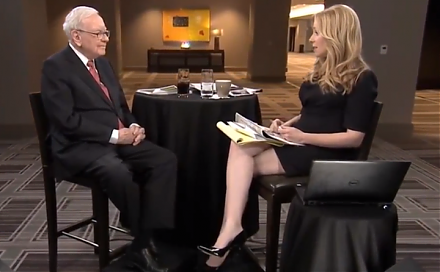
CNBC news anchor Becky Quick interviews Berkshire Hathaway's Warren Buffett in light of the recent stock market gyrations and movements. Warren Buffett
 Reports
 Metrics
 Events
 AI Stock Synopses